The Evolution of Sexuality: Metrosexuals, Lumbersexuals, or Sapiosexuals?
The Evolution of Sexuality: Metrosexuals, Lumbersexuals, or Sapiosexuals?
The world around us is constantly changing, and so are we. As women, we evolve, and so do our men. But why has the focus of male sexuality shifted from strength, agility, and reproductive capabilities to intelligence and physical appearance over different time periods? Why has our sexuality become so multifaceted through evolutionary changes, introducing terms like “metrosexuals,” “sapiosexuals,” and “lumbersexuals” into our lexicon?
Our Preferences and Evolution
Our preferences, reaction speeds, and behaviors all depend on the conditions we find ourselves in. While physical and emotional changes are often the most visible, changes in our intimate lives—our sexuality—require a closer look.
The Evolution of Sexuality
How does our sexuality evolve, and what influences these changes? Why has the focus of male and female sexuality shifted from strength, agility, and reproductive capabilities to intelligence and physical appearance over different time periods? Let’s delve into this.
Our Ancestors and Survival
Our ancestors’ primary goal was survival, achieved through protection and reproduction. The larger the group, the higher the chances of survival. Sexual attractiveness depended on the ability to produce and protect offspring. Thus, a strict hierarchical system existed, with males in dominant positions and females in subordinate ones.
The dominance of males was determined by testosterone levels. The higher the testosterone, the higher the rank in the hierarchy, and the more access to females. Therefore, the gene pool was maintained by males who could win competitions and protect their high hierarchical positions. Females, unlike males, did not need to compete; their sexuality was focused on reproduction.
Reproductivity and Sexuality
In those times, the terms “reproductivity” and “sexuality” were almost synonymous. Females were interested in and attracted to males only during ovulation. This interest was directed towards higher-status males, those with higher testosterone levels, who were stronger and more enduring, increasing the chances of conceiving healthy offspring. Thus, the sexuality of males and females was based on the ability to reproduce.
Evolutionary Development
With evolutionary development, physical appearance, behavioral reactions, and quality of life changed. Tribes replaced groups, and weapons addressed safety concerns. A new task emerged: learning to cooperate, which meant not only protecting and surviving but also caring for each other.
A woman’s gaze now fell not only on the strong and agile but also on those who could share food. During this period, male and female sexuality began to orient towards not only reproduction but also pleasure. People learned to attract attention, evaluate and choose partners, keep them in pairs, and build relationships. Over time, these abilities developed and strengthened, laying the foundation for our modern sexuality.
Modern Sexuality
Today, our interest in the opposite sex is directed along several vectors: attractiveness, strength, intelligence, sense of humor, status, character, quality of intimate relationships, level of upbringing, and education.
We choose a partner not only to reproduce but also to enjoy being in a pair. In choosing, we offer our qualities in return. The physiological aspects of sexuality begin to be complemented by psychological ones. This is why each of our sexualities is individual. It forms and changes based on our current needs and those of the world around us.
The Rise of the Metrosexual
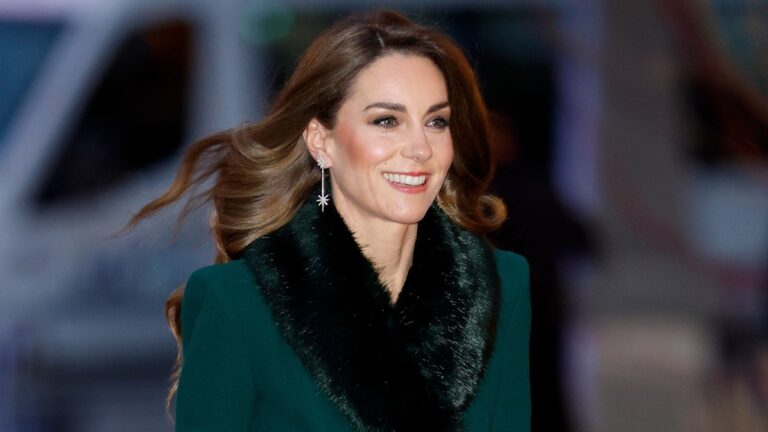
The need for survival and safety has become less pressing, and modern men have the space and opportunity to pay attention to their appearance.
Who is a metrosexual? The term “metrosexual”—a man who pays attention to his appearance and wardrobe—is proof of this shift.
The focus shifts from strength and aggressiveness to attracting attention through physical appearance. This term has been actively used in recent years and has evoked mixed reactions in both male and female circles.
The Lumbersexual Trend
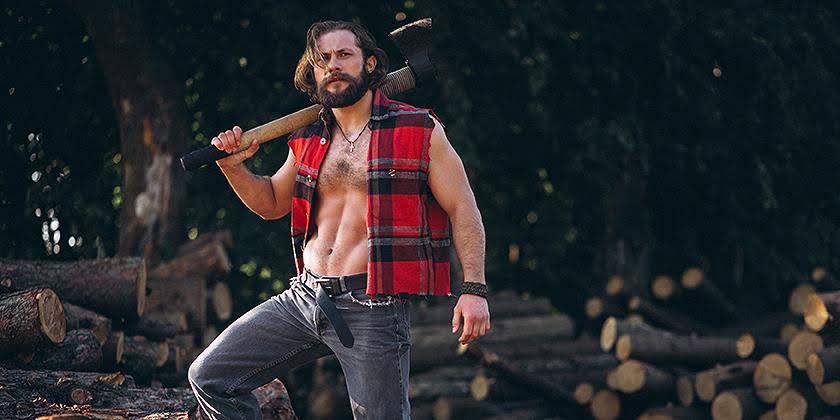
In our subconscious, the image of a man who can not only kill a mammoth but also bring it to the cave persists. This is why a trend in male style has emerged: the lumbersexual—a bearded man with a deliberately rough and simple appearance.
Who is a lumbersexual? This rugged-looking lumberjack transmits not only strength and masculinity but also simplicity and neatness in appearance. He seems to say, “Hey, I killed two birds with one stone! I have not only strength but also a warm soul!”
The Importance of Intellect
However, strength, courage, and physical appearance are not enough to attract and keep a partner. A new need arises: maintaining interest and curiosity, which means presenting oneself through intellectual capabilities.
This is why the new term “sapiosexual” is so relevant now.
Sapiosexuals and Intelligence
Who is a sapiosexual? This is a person who considers intelligence a sexually attractive trait.
Why now? Because in the era of information, rapid changes, discoveries, and achievements, intelligence becomes an important element of our successful adaptation to existing reality.
It is important to remember that all the terms mentioned above have nothing to do with sexual orientation. They are more about a certain way of presenting oneself as a whole and one’s sexuality in particular. But it is interesting to know what new need will arouse our excitement.
Text: Psychologist Alena Korolkova