The Evolution of Beautiful Legs: From Ancient Times to Today
Introduction
Skinny, athletic, long, or curvaceous— the concept of “beautiful legs” has constantly evolved. Women have gone to great lengths to meet the ideal standards of their time, from rouging their knees to decorating their legs with cocoa and coffee, engaging in sports, dieting, undergoing plastic surgery, and more. Ultimately, the focus has shifted towards embracing one’s natural self and prioritizing health. Join us as we explore this journey through history.
The Early Years: All Eyes on the Feet
Until the 20th century, women’s legs in Europe and the USA were mostly concealed under voluminous skirts. The only visible part was the foot, which became the primary focus of attention and care. For instance, French women meticulously ensured their heels were free of calluses, using special silver knives for this purpose. Shoes were also elaborately decorated with glass beads, embroidery, pom-poms, straps, and bows.
In many cultures, a beautiful foot was considered small and elegant. This notion was taken to extremes in China, where for ten centuries, tiny feet—no larger than 10 cm—were deemed the epitome of beauty. To achieve this, young girls from noble families had their feet tightly bound, preventing natural growth. This painful and deforming practice, known as “lotus feet,” was only banned in 1911.
The 1900s-1920s: Rosy Knees and Short Dresses
At the dawn of the 20th century, dresses became slightly shorter, revealing ankles and causing quite a sensation. By the 1920s, women’s legs were fully on display, with the ideal beauty being a slender figure in a knee-length dress. Women began to pay more attention to their legs, even rouging their knees and wearing watches around their ankles. Tan legs also became fashionable, symbolizing a rebellion against the old aristocratic ideals of pale skin.
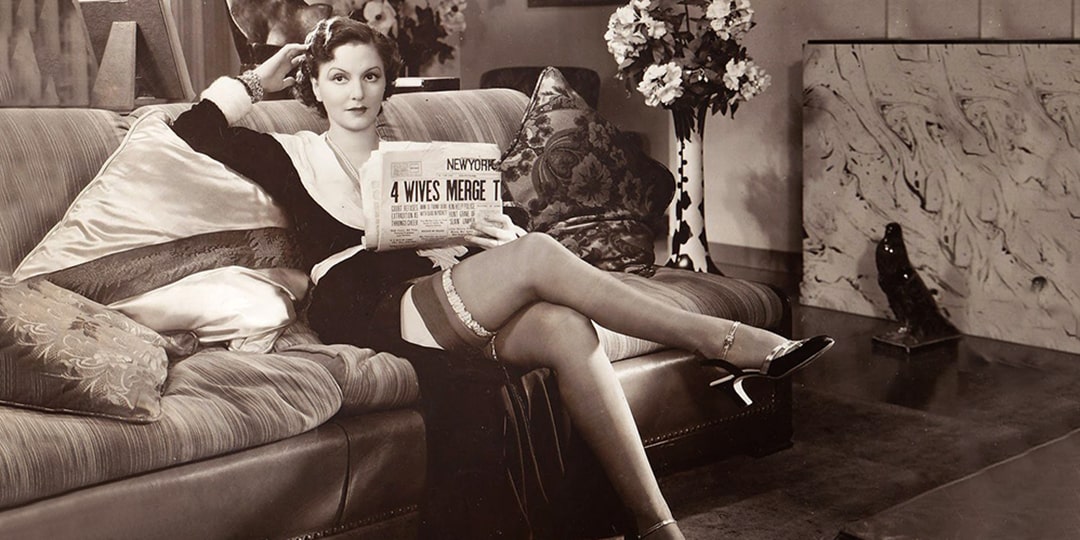
The 1930s-1940s: Shaved Legs and Stocking Seams
The boyish figure fell out of favor, replaced by an ideal of wide hips, a large bust, and long, slender legs. During the war, women started shaving their legs as stockings became scarce. To mimic the look of stockings, women drew seams on their legs using eyebrow pencils or eyeliners. This period marked the beginning of the expectation for smooth legs.
The invention of the bikini in 1946 further emphasized the importance of leg beauty, from thigh to heel. Women began to remove hair in the bikini area, marking a new era in leg care.
The 1950s-1960s: The Reign of Mini Skirts
In the USSR, this period was marked by rebellion. The emergence of the “stilyagi” with their bright clothes and the adoption of mini skirts by women in the 1960s challenged societal norms. Despite initial resistance, women’s desire to show off their legs prevailed, and by the early 1970s, even women over forty were wearing mini skirts.
In Europe and the USA, the 1960s saw a return to extreme thinness as the ideal. Mini skirts and shorts were considered particularly sexy when paired with high, lacquered boots that tightly hugged the legs.
The 1970s-1980s: Jeans and Aerobics Forever
Women began wearing pants and jeans, which were previously considered workwear. Calvin Klein’s provocative advertising campaign featuring a 15-year-old Brooke Shields caused a scandal but also made jeans a must-have item. Jeans highlighted rather than hid the legs, so women continued to care for their leg beauty.
The 1980s ideal was a tanned, long-legged woman with an athletic body. Women started exercising more, with aerobics becoming particularly popular. The trend was further popularized by Jane Fonda’s workout videos and the emergence of sex symbols like Cindy Crawford, Claudia Schiffer, and Elle Macpherson.
The 1990s-2000s: The Rise of Plastic Surgery
While women in the former USSR were still doing aerobics, the USA and Europe saw a return to ascetic thinness and paleness, with Kate Moss becoming the beauty ideal. The expectations for women’s figures fluctuated between “simply thin” and “hourglass.” The concept of beautiful legs remained consistent: long and slender.
Plastic surgery gained popularity during this period. Women altered not just their noses and breast sizes but also their calves, shins, and buttocks. Procedures like knee liposuction and thigh lifts became common.
The 2010s-2020s: The Trend Towards Health and Natural Beauty
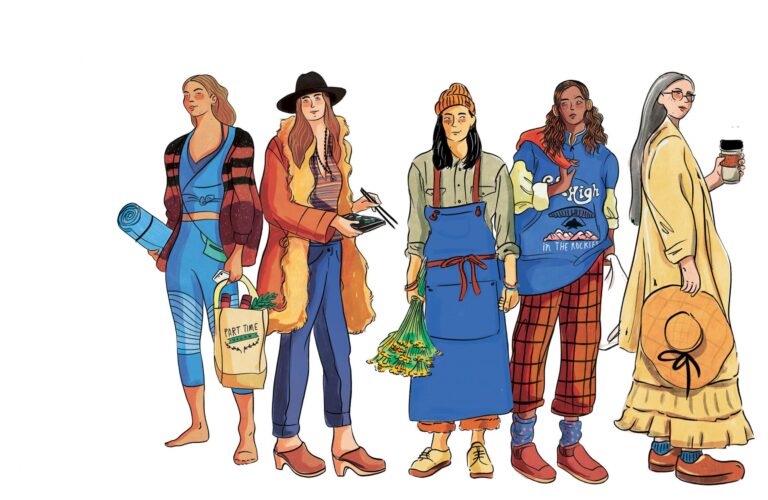
Women began to embrace their natural selves. Runways started featuring plus-size models, models with disabilities, older models, and transgender models. The idea that “beauty comes in all forms” gained traction.
A healthy lifestyle became trendy worldwide. The COVID-19 pandemic further emphasized the importance of health, influencing beauty standards. Modern women strive to maintain their health and the health of their legs. They exercise and eat healthily not to meet beauty standards but to feel good.
For more information on maintaining a healthy lifestyle, visit World Health Organization.