The Enchanting Flamenco: Where to Learn and Dance in Minsk
The Enchanting Flamenco: Where to Learn and Dance in Minsk
Few national dances captivate the hearts of millions worldwide like Irish, Indian, belly dancing, and Spanish flamenco. Schools and clubs teaching these dances can be found in every corner of the globe, a testament to their universal appeal.
The Cultural Significance of Flamenco
In 2010, UNESCO declared flamenco an Intangible Cultural Heritage of Humanity. This recognition underscores the dance’s profound cultural significance and its role in preserving Spain’s rich traditions.
FlamencoArt: A Beacon of Flamenco in Belarus
In Belarus, the love for flamenco is nurtured by the FlamencoArt school in Minsk. For a decade, its founder and director, flamenco dancer and choreographer Tatiana Dedikova, has passionately shared her knowledge of this dance with her students. Her pupils range from schoolgirls and students to businesswomen, mothers, and those who have finally found the time to pursue their dream of dancing flamenco.
Unlike many other dance forms, flamenco does not impose age restrictions. Life experience and age do not hinder one’s ability to perform; instead, they enrich the dance. As Tatiana Dedikova puts it, “Flamenco accepts me as I am and values my sincerity, allowing me to be myself.”
A Celebration of Flamenco
Traditionally, FlamencoArt takes a summer break, preceded by a party and concert where students can share their dance stories. This vibrant evening, held in the spirit of a Spanish fiesta at the Rosa Azora gallery, is a celebration of flamenco’s beauty and diversity.
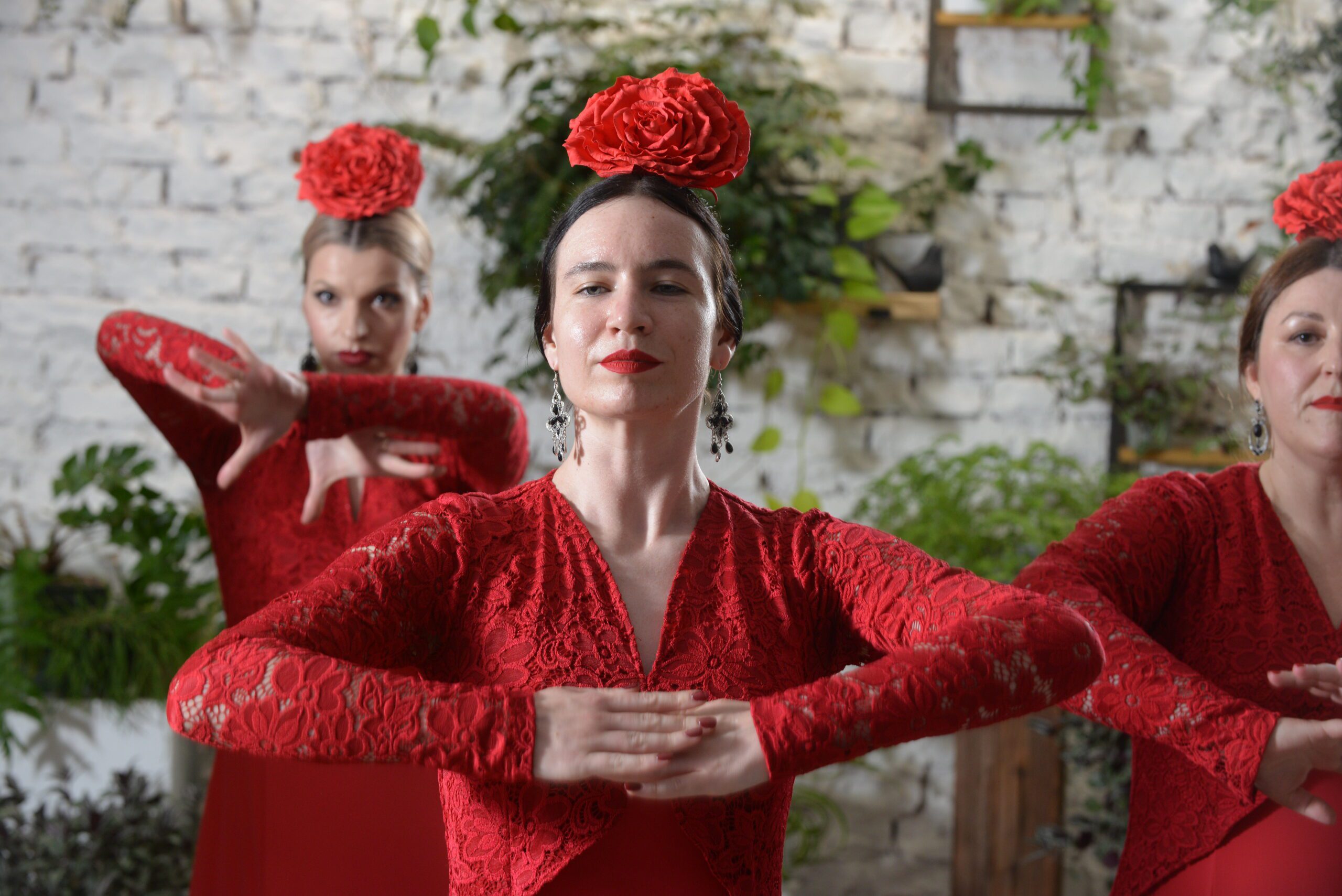
The event is a riot of colors and bright outfits. The dresses worn by flamenco dancers are unique in that they follow fashion trends. Each year, Seville hosts a flamenco fashion week, complete with fashion shows and a museum dedicated to flamenco costumes.
The Essence of Flamenco
Flamenco is not just about the dress. A traditional flamenco outfit includes accessories like the peineta comb, earrings, and a flower in the hair, chosen to match the dress. Dancers often use a manton shawl and hold an abanico fan.
The evening begins with Tatiana Dedikova reminding guests of the essential element of a Spanish fiesta: a festive mood and joy. When a bailaora dancer performs, the audience is encouraged to express their emotions freely, shouting “Ole!”, “Asi!”, or “Agua!” to show their support.
A Personal Journey with Flamenco
Alesya Litvinova, a TV project producer who has been practicing flamenco for a year, shares her experience. She admits to being nervous about her solo debut, not just about performing in front of an audience but also about remembering the movements and staying in rhythm.
“I love body movements in any dance, be it classical ballet or flamenco. This love first manifested in my work, where we make films about ballet, and then in my hobby of painting ballerinas with watercolors. I approached flamenco several times, gave up, surrendered… It’s not as simple as it seems! It’s not just about stomping your feet and waving your arms. This dance requires precise movements to a specific rhythm, coordination, diligence, perseverance, and not just a strong desire to dance. Flamenco does not let everyone into its world!”
Despite visiting Spain multiple times, Alesya never saw flamenco performed in a tablao, a club or cafe where it is traditionally danced. However, she traveled to Moscow for a flamenco performance on her birthday and was impressed by how modern the dance could be.