The Art of Tea: Sip Like a True Londoner with These Timeless Etiquette Tips
The Art of Tea: Sip Like a True Londoner with These Timeless Etiquette Tips
“Tea! Bless ordinary afternoon tea!” These words by Agatha Christie in her renowned novel “And Then There Were None” perfectly capture the British sentiment towards tea. Tea is more than just a beverage; it’s a solution to many of life’s little problems. Feeling cold? Tea will warm you. Feeling sad? Tea will comfort you. Feeling tired? Tea will rejuvenate you. While we all know that tea can perk us up and boost our mood, we often overlook the rich traditions of a proper tea ceremony. Let’s refresh our memory on the key points for a true British tea party.
The History of Tea in England
Although tea is considered a quintessential symbol of English culture, it was actually popularized by Catherine of Braganza, the Portuguese wife of Charles II. An avid tea enthusiast from her childhood, Catherine introduced the concept of the tea ceremony to the royal family in 1662. The tradition quickly spread among the aristocracy and eventually reached the middle classes. Interestingly, tea became a popular beverage in London coffeehouses, which were exclusively male domains at the time.
Since women were not served in coffeehouses, men would purchase tea leaves for their wives, who would then brew tea at home. This practice gave rise to the fashion for home tea ceremonies, fine china, elegant teacups, and silver teapots. In the 18th century, tea was a luxury only the wealthy could afford, and it was often smuggled. However, its popularity never waned, and by the 19th century, the traditions of drinking tea at breakfast and after dinner were firmly established.
The true afternoon tea ritual was invented by Anna Maria, the wife of the seventh Duke of Bedford, in 1841. She began drinking tea with a spoonful of vinegar to stave off hunger until dinner. During the World Wars, tea became part of the mandatory diet and was specially supplied to villages. In 1946, George Orwell published an essay calling tea “one of the mainstays of civilization in this country.”
Tea Etiquette Rules
While tea bags offer convenience, proper etiquette requires loose-leaf tea. The traditional choice for afternoon tea is Darjeeling.
- Water Preparation: Only fresh, cold water should be poured into the teapot—never reboiled.
- Boiling: The water in the teapot must be brought to a boil.
- Warming: Warm the teacups and teapot to prevent the drink from being spoiled by cold dishes.
- Tea Measurement: Add the correct amount of tea to the teapot—one to two teaspoons per person—before pouring water over it and letting it steep for three minutes.
- Pouring: Pour the tea into the cups using a special strainer. Only one person should do this.
- Milk: There is some debate regarding milk. Some recommend pouring milk first to protect the cups from cracking due to hot water, while others believe it alters the taste. Experiment and choose what you prefer.
- Sugar: Each guest should add sugar to their taste. Remember, the British avoid circular motions when stirring, as they consider it inelegant. Simply move the spoon back and forth.
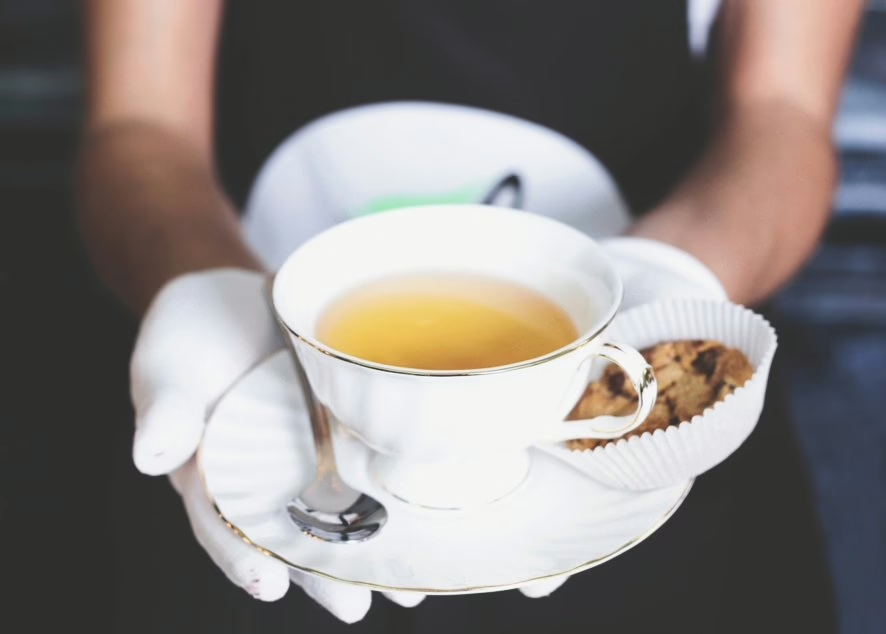
- Serving: Each cup should have a special saucer. Hold the cup by the handle and never let your pinky finger stick out. Drink in small sips.
- Accompaniments: Serve tea with sandwiches. Acceptable fillings include cucumbers, eggs, and salmon. The British also love to serve scones and cakes with cream and jam.
- Quantity: During a tea party, it is customary for the English to drink two cups of tea: one is never enough, and three would be excessive.
For more information on tea traditions, you can visit the official website of the British Royal Family.