The Art of Effective Procrastination: 5 Reasons to Take a Break During Work

The Art of Effective Procrastination: 5 Reasons to Take a Break During Work
It’s challenging to convince yourself to take breaks during work, not just for lunch, but throughout the entire day. When I get distracted, I often chastise myself for procrastinating and rush back to work. However, experts suggest that regular breaks can actually enhance productivity. Here’s what personal effectiveness coach Casey Moran has to say:
Research shows that the brain works best for 52 minutes, followed by a 17-minute ‘break.’ Therefore, I advise clients to work for 45 minutes to an hour and then take a 12 to 15-minute break. Everyone is different, so it’s essential to find what works best for you. The brain, like everything else, gets tired. Thus, focusing for eight hours straight is neither realistic nor healthy. The more you ‘push’ yourself, the more stress (cortisol) is released, which weakens your immune system.
Your Body Needs Movement
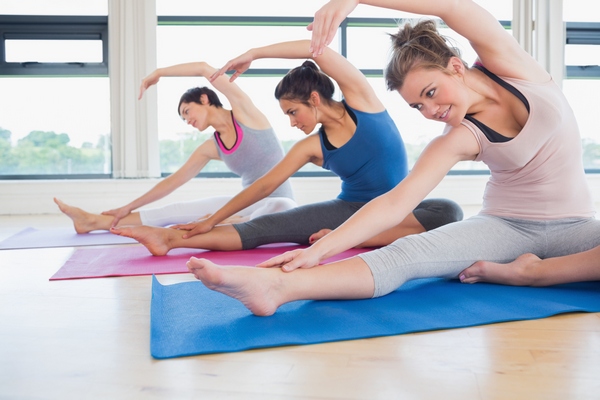
If you spend your entire day at a computer, your body craves movement. Even a small amount of regular activity can alleviate back pain and other health issues associated with a sedentary lifestyle.
This fact has been confirmed by scientists multiple times. A study in the International Journal of Behavioral Nutrition and Physical Activity reports that walking for just five minutes every hour improves mood and boosts energy levels.
Another study, published in the American Journal of Epidemiology, showed that cells in people who spend most of their time sitting age faster. Stand up briefly every 20-30 minutes, and your body will thank you.
Breaks Improve Long-Term Focus
It may seem that working fewer hours reduces the amount of work accomplished. However, after a break, you’ll work faster and more efficiently, ultimately achieving more.
One study found that people performed better on tasks requiring sustained attention if they periodically switched to other activities. Constant stimulation is registered by our brain as unimportant to the point that the brain stops responding to it. From a practical standpoint, our research shows that when facing long tasks (such as studying for a final exam), it’s best to allow yourself brief breaks.
Breaks Simplify Decision Making
If you have to make decisions non-stop all day, you start suffering from what psychologists call ‘decision fatigue.’ Choices become more difficult, so you tend to opt for what’s easier rather than what’s better.
A study published in the Proceedings of the National Academy of Sciences confirms this. It found that judges are more likely to grant parole to prisoners after a break. This is because denying parole is always the easier option, which is chosen by someone experiencing decision fatigue.
Your Brain Continues Problem-Solving During Rest
When you let your mind wander, you’re often closer to solving a problem than you think. The brain’s default mode during rest is crucial for active, internally-oriented psychosocial processing, such as activating personal memories and correlating social emotions with moral representations. Distraction also helps you think more broadly and consider the future.
A Break Can Boost Creativity
Rest activates your creative forces and helps you approach problem-solving in novel ways. A study published in the Creativity Research Journal found that people generated more ideas in a brainstorming exercise when they took a break and engaged in activities unrelated to the main task.
The authors suggest that if a person works on the same problem for too long, they become too close to it and unable to come up with new solutions. By spending a little time on something else, you return to work with a fresh perspective.
Don’t feel guilty about leaving your workspace during the day. You’re improving your efficiency and helping your body stay healthier. The key is to quickly refocus on work after a short break.
For more information on the benefits of taking breaks, you can refer to this study published in the International Journal of Behavioral Nutrition and Physical Activity.