Struggling to Stop Reading News? A Psychologist’s Guide to Help Yourself
Struggling to Stop Reading News? A Psychologist’s Guide to Help Yourself
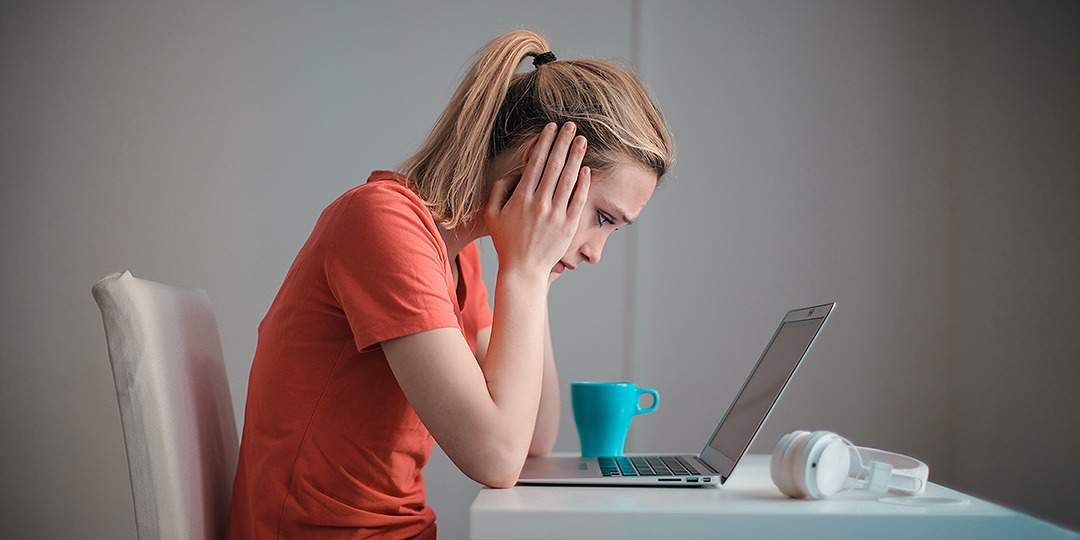
In recent days, reading the news has become unbearable. Yet, it’s impossible to look away. Life goes on: we need to play with our kids, work, and sleep. How can we help ourselves? The first step is to start consuming news consciously. Psychologist Ivan Vasilyuk shared some advice with us a few months ago, and his tips are more relevant than ever today.
Psychologist Ivan Vasilyuk’s Advice
Protect Yourself from Information Overload
Before opening another news resource or post, ask yourself why you’re doing it. Let’s consider a scenario: a catastrophe occurs, and you read one news source, then another, waiting for details, “What did one expert say… another expert…” and so on. Before you know it, hours have passed. Initially, the news might have upset you. What do we do when we’re anxious and uncertain? We seek more information. However, in this case, each new piece of information will only increase your anxiety. Ultimately, you can’t change the situation, but you exhaust yourself and can’t do anything else.
To understand what’s happening, the first report is enough. Details are unlikely to help. So, if a news story has upset you, ask yourself: “What will knowing the details give me?” If the answer is nothing, try to calm down and focus on your life today.
Read News on Websites or in Newspapers
Reading news in messengers can be dangerous because every time you check your phone or look at the time, you’re drawn back into the world of news.
Set a Specific Time for News
News often plays a cruel trick on us: it fills our heads, leaving no room for other information. So, keep your distance—don’t immerse yourself in news, try to switch to something else. If you can, read a book.
Ignore Comments
Comments under articles are a separate issue, and they’re unlikely to give you anything useful. Comments often evoke conflicting emotions, and you might want to argue or “prove a point.” At best, you’ll waste time and get angry at a virtual persona. At worst, you might face real trouble— in a fit of anger, you might write something inappropriate.
Schedule Time Without News
This is very beneficial. Your brain needs rest—an information detox. It’s best to do this for a whole day—on a weekend. If that’s not possible, try for at least a couple of hours.
Don’t Blame Yourself for Disconnecting from News
The world is changed for the better not by an endless stream of news, but by each of us—when we do something worthwhile.
Be Selective with Experts
Typically, news comes today in a “package”: a brief event report followed by 10 more articles on who said what about it. Is the opinion of a particular expert important to you? If yes, read only their insights. As for the others? Let them live with their opinions.
Remember That Information is a Commodity
Every time you click on a link, ask yourself: “Why do I need this?” Understanding “I wasn’t reading the news—I was just passing the time” or “I was reading the news because I was anxious” is the first step towards mindfulness. Also, remember that some people try to profit from you. So, don’t rush to pay attention to overly sensational headlines or shocking images.
Don’t Dwell on the Negative
Bad news sells better. This is the Baader-Meinhof phenomenon, also known as the frequency illusion: if we hear information more than three times, we start to believe it’s true. If something bad happens, everyone talks about it, and you might think that’s how the world is.
Social networks work the same way: if you often comment on or like information about ecology, you’ll be shown more about forest fires and disasters. You might think that’s how the whole world is. Therefore, social networks are not the best place to get information and analyze reality.
Read Books
Modern children find it harder to read long or “serious” books. Why? First, the school curriculum teaches us to hate reading. Second, modern children are used to posts, tweets, short videos, etc. According to recent studies, people even struggle to watch 90-minute movies—they want everything at once. So, after reading this article, pick up a book, don’t delay.
Start Your Morning with Positivity and End Your Day Calmly
Don’t rush to grab your phone as soon as you wake up. At least have your coffee in peace and quiet. And you should go to bed calm as well. The morning sets the mood for the whole day. And the evening determines the quality of your sleep. No matter what’s happening in the world, you need to live your life. And believe me, an information detox will bear fruit.
Wishing you good news!
For more information, visit gorodw.by.