Stay Safe & Confident: Essential Personal Safety Tips for Everyday Life
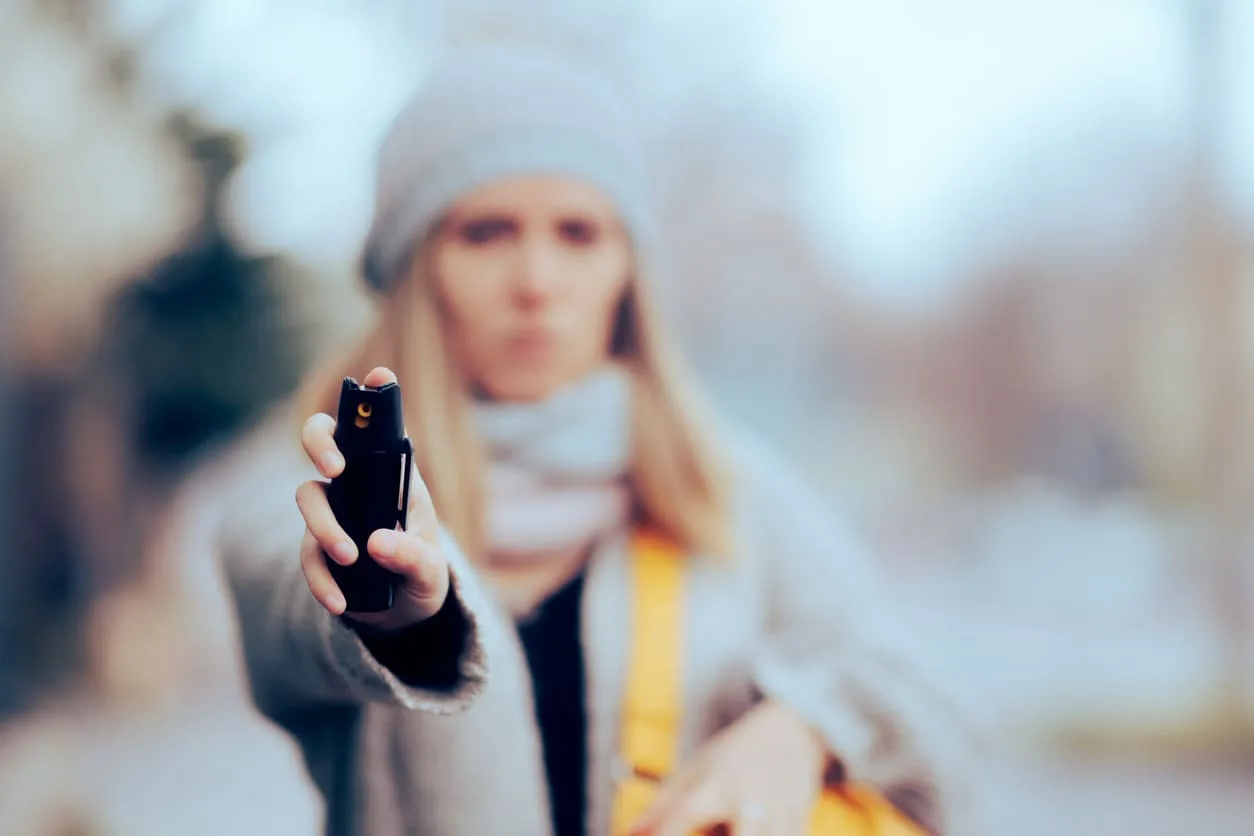
You Have the Power to Stay Safe—Here’s How
Feeling safe in your community shouldn’t be a luxury—it’s a basic right. The good news? You’re far more capable of protecting yourself than you might realize. Personal safety isn’t about living in fear; it’s about being prepared, aware, and confident. With a few simple, practical strategies, you can navigate your daily life with greater peace of mind and take control of your security.
Master the Art of Situational Awareness
Situational awareness is your first and most powerful line of defense. It’s simply the practice of paying attention to what’s happening around you—something many of us overlook in our fast-paced lives. Here’s how to sharpen this skill and stay one step ahead.
Put Your Phone Away
When you’re walking, shopping, or moving through public spaces, resist the urge to scroll. Predators often target people who appear distracted. Keep your head up, your eyes forward, and your attention on your surroundings. If you need to check your phone, step into a store or against a wall where you can see who’s around you.
Trust Your Gut
That uneasy feeling in your stomach? It’s there for a reason. If a person, situation, or location feels off, trust your instinct. You don’t owe anyone an explanation for removing yourself from an uncomfortable scenario. Your safety always comes first—no exceptions.
Use the “Color Code” System
Safety experts use a simple awareness scale to stay alert:
- White: Completely unaware of your surroundings.
- Yellow: Relaxed but alert—this is where you should aim to be in daily life.
- Orange: Focused alert, noticing potential threats.
- Red: Immediate danger, requiring action.
Stay in Yellow as much as possible. Notice who’s around you, where the exits are, and anything unusual. This isn’t about paranoia—it’s about being prepared.
Scan Your Environment Regularly
Every few minutes, take a quick look around. Notice if someone is following the same route as you. Observe vehicles that seem to be circling. Pay attention to individuals who are watching others instead of going about their own business. Small observations can make a big difference.
Develop Safe Habits When Out Alone
Small tweaks to your routine can significantly reduce your vulnerability. Here’s how to stay safe without feeling restricted.
Plan Your Route
Before you leave, know exactly where you’re going and the safest way to get there. Stick to well-lit, populated areas, especially after dark. If you’re visiting a new restaurant or shop, look it up beforehand so you appear confident and purposeful when you arrive.
Park Strategically
Always park in well-lit areas near building entrances or security cameras. At malls or grocery stores, opt for spots near cart corrals where there’s more activity. When returning to your car, have your keys ready before you leave the building—don’t stand at your door fumbling through your purse. Avoid parking behind buildings or in isolated areas where you can’t see the entrance.
Let Someone Know Your Plans
Make it a habit to text a friend or family member when you’re going out alone, especially for appointments, walks, or errands in unfamiliar areas. Share your location using your phone’s built-in feature, and let them know when you’ve arrived safely. A quick check-in can provide an extra layer of security.
Vary Your Routine
Predictability can make you an easier target. If you walk the same route every day at the same time, mix it up occasionally. Take different paths, go at different times, or alternate between locations for your regular activities. Small changes can throw off anyone with bad intentions.
Carry Yourself with Confidence
Walk with purpose and confidence. Keep your shoulders back, your stride steady, and your head held high. People who appear uncertain or timid are more likely to be targeted. Even if you’re feeling nervous, project confidence through your body language. Fake it till you make it—it works.
Be Cautious About What You Share
Avoid announcing on social media that you’re home alone or posting your location in real-time. Wait until after you’ve left a location to share photos or check-ins. Don’t advertise your daily routine or schedule online. The less predictable you are, the safer you’ll be.
Know How to Signal for Help
In an emergency, having multiple ways to call for help can be a game-changer. Here are some tools and strategies to keep you prepared.
Keep Your Phone Charged and Accessible
This seems obvious, but it’s critical. Invest in a portable charger and keep it in your bag. Set up your phone’s emergency features—both iPhone and Android devices allow you to quickly call 911 with specific button combinations. Practice using these features so they become second nature in a crisis.
Personal Safety Alarms
A personal alarm is an inexpensive yet highly effective tool. These small devices emit a piercing 120-130 decibel sound when activated—loud enough to disorient an attacker and attract attention. Popular options include the Vigilant Personal Alarm, She’s Birdie Safety Alarm (which comes in multiple colors and attaches easily to your purse or keychain), and the KOSIN Safe Sound Personal Alarm, which includes a built-in flashlight. Keep one on your keychain and another in your purse. They cost between $10 and $25 and require no training to use.
Whistles
A simple safety whistle is easy to carry and doesn’t require batteries. Choose a pealess whistle (they work in all weather conditions) and keep it accessible on your keychain or worn as a necklace. The Acme Tornado 636 is particularly loud and reliable.
Smart Jewelry and Wearable Safety Devices
Several companies now make stylish safety jewelry that allows you to call for help discreetly. The Invisawear Smart Jewelry line includes necklaces, bracelets, and keychains with hidden buttons that alert your emergency contacts and 911 with your GPS location. The Flare Bracelet serves a similar function with a sleek design you’d actually want to wear. These typically cost between $80 and $200.
Smartphone Safety Apps
Download a personal safety app like Life360, Noonlight, or bSafe. These apps allow you to share your location with trusted contacts, set up automatic check-ins, and quickly alert authorities if you’re in danger. Many include features like fake phone calls you can use to extract yourself from uncomfortable situations.
Use Your Car as a Panic Button
If you’re near your car and feel threatened, your car alarm can serve as an attention-getter. Keep your key fob in your hand and be ready to press the panic button if needed. The loud noise can startle an attacker and draw attention to your situation.
What to Do If Someone Approaches You
Even with the best precautions, uncomfortable situations can still arise. Here’s how to handle them with confidence and composure.
On the Street or Sidewalk
If someone approaches you asking for help, directions, or money, you can respond without stopping. Say, “Sorry, I can’t help you,” and keep walking. You don’t need to be rude, but you also don’t need to engage in conversation. Create distance immediately.
If someone gets too close or continues following you, cross the street, walk toward other people, or enter a business. Make it clear through your actions that you’ve noticed them and are taking steps to protect yourself.