Squid Game: Why Teens Shouldn’t Watch Alone
Squid Game: Why Teens Shouldn’t Watch Alone
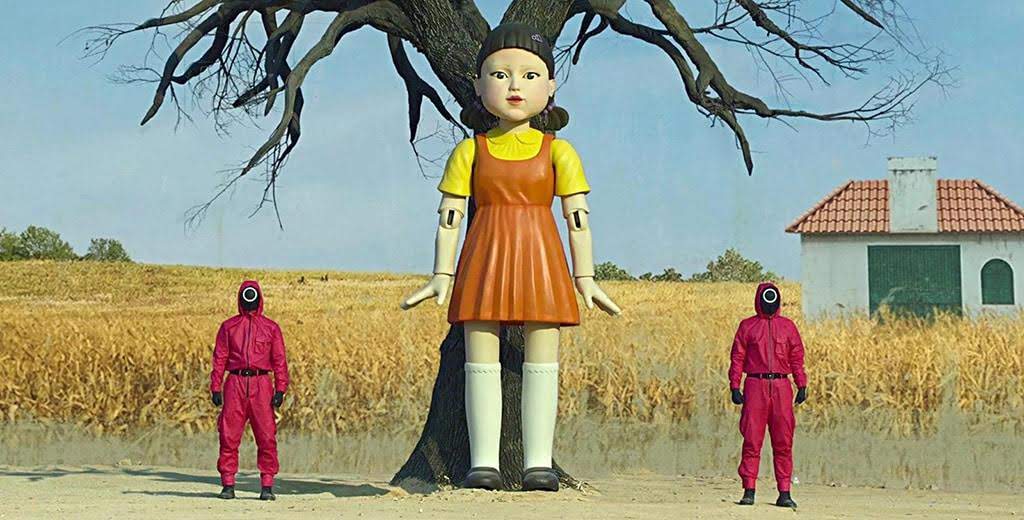
If your teenager is intrigued by the controversial hit show, it’s crucial to have a proper conversation with them. The South Korean series “Squid Game”—a brutal and bloody survival quest—has become a global sensation. Within the first 25 days of its release, it was watched by 11 million accounts, setting a record for Netflix projects. Fans are snapping up white slip-on shoes and green tracksuits (the show’s characters’ attire), and the main character’s social media account has already garnered 10 million followers. Meanwhile, critics are concerned: “What if teenagers want to imitate the heroes? How far could they go?” Psychologist Ivan Vasilyuk shared his thoughts on this matter.
Why Does “Squid Game” Captivate Teenagers?
The plot is not original: hundreds of people in dire situations must play children’s games where losers are killed against the backdrop of childlike decorations. It’s a foolproof combination for hype: blood and playgrounds. Isn’t it? The series contains many violent scenes that look very realistic—that’s what attracts viewers. Moreover, “Squid Game” provides significant sensory stimulation for children: they observe from the sidelines what they cannot experience themselves. Plus, the action takes place in an initially safe and familiar environment (on playgrounds). In this sense, it’s easier for children to gain new experiences by empathizing with the characters. However, this experience can also be traumatic, as children are more likely to merge with movie heroes, immerse themselves in the plot, and sometimes cannot distinguish between reality and the game.
What’s Wrong with the Idea?
The first thing that alarms any normal person is the characters’ ultimate goal: it’s one thing to die for some “higher values,” but another to die for money, which is exactly what happens in the series. Overall, it’s hard to find anything good in this movie that one can learn from. I think the only thing that should see a surge in sales is financial literacy courses with slogans like: “Either you learn to live without debt, or you master sugar figurines.” (In one of the tasks, the characters have to carve figures out of sugar cookies.)
Your Child is Hooked? Watch Together
On the other hand, there’s no need to fear even if children start imitating the series’ heroes in their activities. We all played games as children where someone was killed: “Cossacks and Robbers,” “Fascists and Ours,” etc. Nevertheless, we didn’t grow up to be a generation of killers and maniacs. Those were just games. So, it’s not that scary if children start “playing Squid Game.” What’s important is that during or after watching, there are adults nearby who can explain the difference between truth and fiction. A child’s and teenager’s psyche is still forming, and discussing what they’ve seen with an adult is essential.
The Series Shatters All Our Values
The plot suggests that life, love, friendship, and other crucial things can be replaced with money. In my opinion, this is scarier than the violent scenes. It’s important to remember that values are still formed by the family. Therefore, it’s crucial to draw the child’s attention to the fact that the belief in the value of money led many participants to a meaningless game.
Should We Just Ban It?
Banning the series is foolish—children will find a way to watch it eventually. If you can’t prevent something, lead it. As I’ve said, if your children insist on watching the show, do it together. Explain the unreality of what’s happening, discuss the characters and the plot. Then, the questionable deed will turn into another fairy tale. And fairy tales are often cruel. Just look at the Brothers Grimm’s creations—some of their plots are quite comparable to “Squid Game,” yet we’re not afraid to expose our children to them.
Even if your child watched the series without you, it’s not the end of the world. Most people, like myself, watched the series out of curiosity, to keep up with the “trends.” If the child’s values are already formed, if there’s trust in the family, then the series will be nothing more than a thrill ride. So, you can’t blame the show for aggression or bad behavior in your child.
For more information on the impact of media on children, you can visit Common Sense Media, a nonprofit organization providing education and advocacy to families.