Skin Purging vs Breakouts: Unraveling the Mystery for Clearer Skin
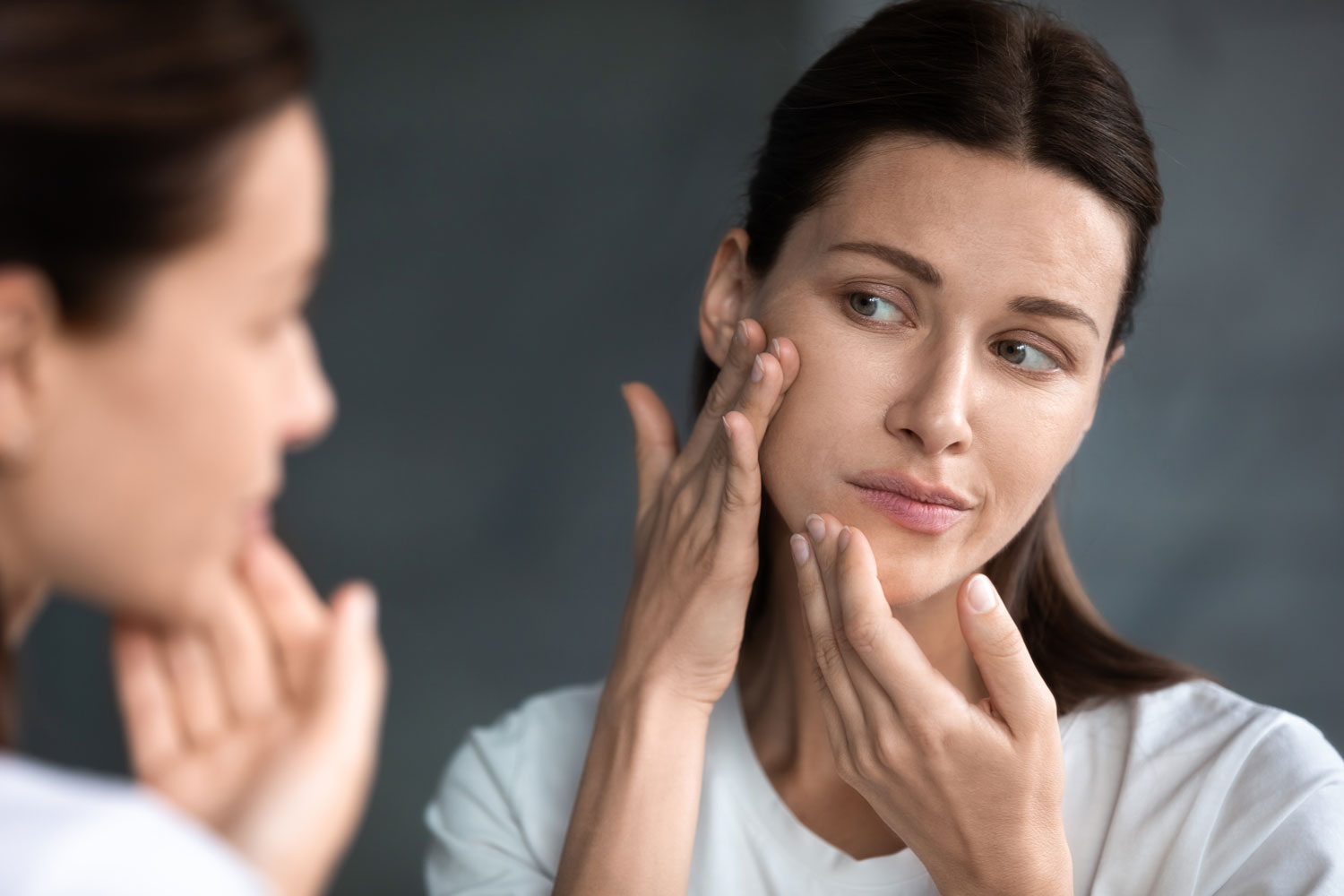
Understanding Skin Purging
If you’ve experimented with various creams, scrubs, and ointments, or even tried unconventional home remedies, you might have noticed that some treatments can initially worsen your skin condition. But what if this reaction is a sign that the product is actually working? This process is known as skin purging. It occurs when a new product or ingredient accelerates cell turnover, speeding up the formation of pimples. This brings clogged pores to the surface all at once, resulting in new blemishes. Skin purging is common with ingredients like retinols, acids, and chemical peels.
Identifying Skin Purging
Purging can resemble a regular breakout, so how can you distinguish between the two? Here are some tips to help you understand and manage your skin’s reaction:
Recognizing the Purge
If you’re experiencing new acne in areas where you typically break out, and the “life cycle” of your pimples is faster than usual, it’s likely that your skin is purging. This is a normal reaction to certain active ingredients and should subside over time.
Identifying a Bad Reaction
If new pustules appear in areas where you don’t usually get acne, and it takes eight to ten days for the pimples to complete their life cycle, you might be having a bad reaction to the product. Additionally, if your skin becomes itchy and develops a rash, it’s best to discontinue using the product immediately.
Consulting a Professional
If you’re uncertain whether your skin is purging or reacting badly, stop using the product and consult a dermatologist. They can provide personalized advice tailored to your skin’s specific needs.
Managing Skin Purging
To manage skin purging, it’s essential to simplify your skincare routine. Here are some steps to follow:
- Keep Your Skincare Simple: Use a gentle, sulfate-free cleanser, a hydrating moisturizer, and sunscreen during the day to protect your skin from further irritation.
- Continue Using the Product: If your skin is purging, continue using the product as the process can get worse before it gets better.
- Be Patient: Skin cycles typically last about 28 days. It may take that entire time, or even longer, for purging to stop. If it lasts longer than six weeks, discontinue product use and consult your dermatologist.
- Avoid Picking and Popping: Resist the urge to pick or pop pimples. This can prolong the purging process and lead to scarring. Let the acne run its course without interference.
For more detailed information on skincare ingredients, you can refer to authoritative sources like this study on retinols.
Conclusion
Understanding the difference between skin purging and breakouts is crucial for effective skincare. By recognizing the signs and knowing how to manage the process, you can achieve clearer, healthier skin. Always consult a professional if you’re unsure about your skin’s reaction to a new product.