Shingles Exposed: Recognizing Symptoms, Exploring Treatments, and Preventing Outbreaks
Unveiling Shingles: A Comprehensive Guide
Shingles, scientifically known as herpes zoster, is a viral infection that triggers a painful rash. This condition stems from the varicella-zoster virus, the same culprit behind chickenpox. After recovering from chickenpox, the virus can lie dormant in the body, only to reactivate years later as shingles.
Identifying Shingles Symptoms
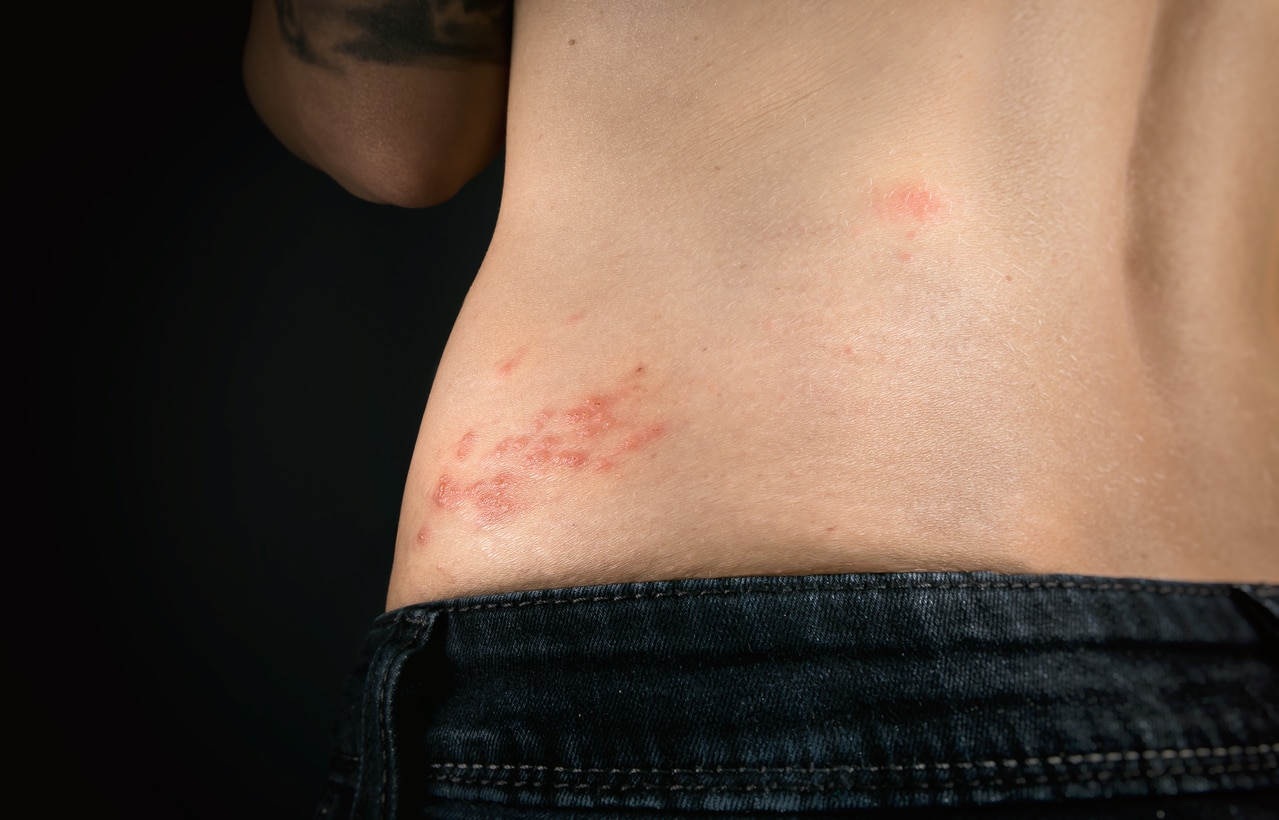
Shingles typically presents as a painful rash, often appearing as a band on one side of the torso or face. This rash may be accompanied by blisters that eventually break open and crust over. The pain associated with shingles can vary from mild to severe, with some individuals experiencing sharp, stabbing sensations or a persistent burning feeling.
One of the most severe complications of shingles is postherpetic neuralgia (PHN). PHN occurs when nerve pain persists even after the rash has healed, sometimes lasting for weeks, months, or even years. This condition can significantly impact a person’s quality of life, underscoring the importance of early detection and treatment.
Causes and Risk Factors of Shingles
The varicella-zoster virus can reactivate and lead to shingles due to various factors. A weakened immune system, which can occur with age, stress, or certain medical conditions, increases the risk of developing shingles. Advancing age is a significant risk factor, with the likelihood of developing shingles increasing markedly after the age of 50.
Individuals who have had chickenpox or received the varicella vaccine can still develop shingles. This highlights the importance of understanding the virus’s ability to remain dormant for years and reactivate under certain conditions.
Diagnosing and Treating Shingles
A healthcare professional can typically diagnose shingles based on the characteristic rash and associated symptoms. Laboratory tests may be conducted to confirm the diagnosis or rule out other potential causes of the symptoms.
Antiviral medications, such as acyclovir, valacyclovir, or famciclovir, are often prescribed to reduce the severity and duration of the infection. These medications are most effective when started early in the course of the illness, emphasizing the importance of seeking medical attention promptly.
Pain management is a crucial component of shingles treatment, especially given the potential for postherpetic neuralgia. Over-the-counter pain relievers, prescription medications, and topical creams containing capsaicin or lidocaine may be recommended to alleviate discomfort.
Preventing Shingles through Vaccination
Prevention is a vital aspect of managing shingles, and vaccination is a key tool in this regard. The shingles vaccine, recommended for individuals aged 50 and older, helps reduce the risk of developing the infection and lowers the likelihood of postherpetic neuralgia in those who contract shingles.
There are two shingles vaccines available: Zostavax and Shingrix. Shingrix, in particular, has shown higher efficacy and is the preferred choice for most individuals. The vaccine stimulates the immune system to build protection against the virus, providing a crucial shield against the reactivation of the varicella-zoster virus.
Conclusion
Shingles is a painful and potentially debilitating condition that can affect anyone who has had chickenpox. Understanding the causes, symptoms, and risk factors of shingles is essential for early detection and timely intervention. The advent of vaccines has significantly improved our ability to prevent shingles and mitigate its impact.
For more information, you can visit the Mayo Clinic website.