Royal Fashion Recycled: How Kate Middleton and Zara Tindall Champion Sustainable Kids’ Style
Royal Fashion Recycled: How Kate Middleton and Zara Tindall Champion Sustainable Kids’ Style
The royal family’s fashion choices always make headlines, and for good reason. With their busy schedules and numerous public appearances, the royals have a unique opportunity to set trends and influence fashion choices worldwide. In recent years, there has been a significant shift towards sustainability in fashion, and the royal family is no exception.
The Rise of Sustainable Fashion
Fast fashion, once celebrated for its affordability and trendiness, is now under scrutiny for its environmental impact. The fashion industry produces an estimated 92 million tonnes of textile waste annually, much of which ends up in landfills. This has led to a growing movement towards sustainable fashion, with an emphasis on re-wearing clothes, donating unwanted garments, and keeping clothes in the family.
Kate Middleton: The Poster Girl for Outfit Repeating
Kate Middleton, the Princess of Wales, has become a poster girl for outfit repeating and sustainable fashion. She is known for incorporating durable, timeless pieces into her wardrobe, year after year. This not only sets a trend but also sends a powerful message about the importance of sustainability in fashion.
The Importance of Fashion Hand-Me-Downs
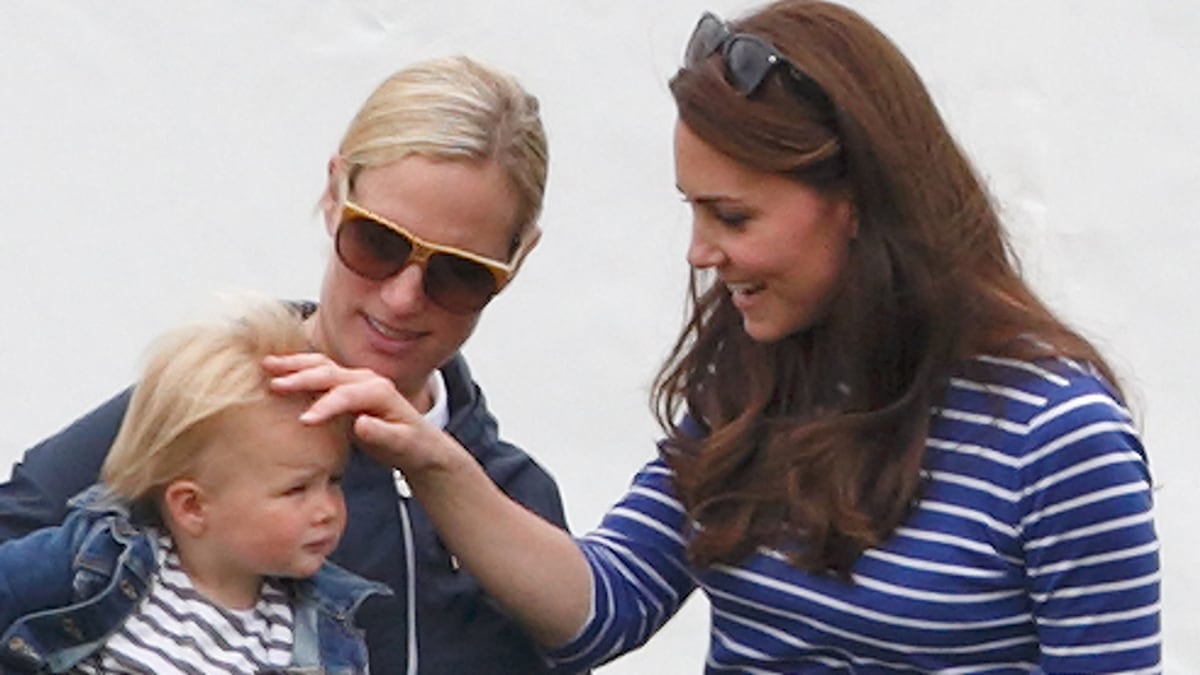
One of the best ways to embrace sustainability in fashion is to keep clothes in the family, especially when it comes to children’s attire. Babies, toddlers, and pre-school children grow so fast that passing on and sharing clothing is a great way to reduce waste and look after our planet. Kate Middleton and Zara Tindall are both big fans of this practice and always ensure their children’s clothes are passed down to their siblings.
According to fashion journalist and sustainable advocate Georgia Brown, “Fast fashion sends an extraordinary amount of waste to landfill each year. In a culture built on constant newness, clothing is increasingly treated as disposable, with many pieces worn only a handful of times before being cast aside.”
The Royals’ Positive Influence
The royal family’s embrace of sustainable fashion sends a powerful message to the public. When a royal steps out in a pre-loved or inherited piece, it reframes sustainability as something aspirational, not restrictive. This is particularly important in a culture that often equates fashion with constant newness and disposability.
Jen Graham, a charity shopper and advocate for second-hand fashion, agrees. “When even the royals rewear, relove, and reshare, it sends the strongest message that sustainability is the future of fashion,” she says.
Royal Hand-Me-Downs in Action
The royal family has been on board with sustainable fashion for many years. For instance, Prince Louis has been seen wearing a variety of items from his big brother Prince George’s wardrobe. Similarly, Zara Tindall’s daughter Lena has been spotted wearing her older sister Mia’s Gucci coat.
These examples of royal hand-me-downs in action not only highlight the practicality of sustainable fashion but also its stylishness. By choosing to pass down clothes within the family, the royals are showing that sustainable fashion can be both chic and responsible.
The Quality Factor
Part of the problem with fast fashion lies in quality. To keep up with speed and scale, many garments today are cheaply made using synthetic materials that simply aren’t designed to last. This is where the charm of vintage clothing comes in. Before fast fashion took hold, garments were crafted with care and durability in mind, which is why so many pieces from previous generations remain in remarkable condition today.
By choosing to pass down clothes within the family, the royals are not only reducing waste but also ensuring that their children wear high-quality, durable clothing. This is a testament to the timelessness of well-made garments and the importance of investing in quality pieces.
For more information on sustainable fashion, you can visit the EPA’s guide on textiles.