Riga: A City of Cats, History, and Charm
Riga: A City of Cats, History, and Charm
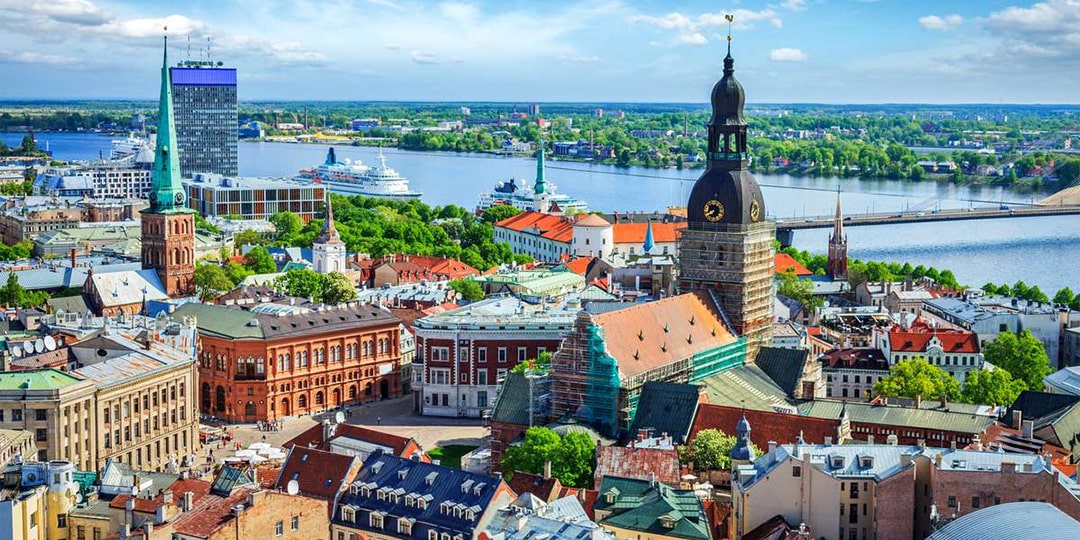
Riga, the capital of Latvia, is a city that beautifully preserves its history and charm. While many associate it with the sea and sprats, Riga offers so much more. From medieval churches and art nouveau architecture to cobblestone streets that echo the footsteps of Peter the Great, Riga is a city where the old and new coexist elegantly. Here are some must-visit places that will make your trip to this enchanting city unforgettable.
The Baltic Sea: A Quick Getaway
If you’re planning a trip to Riga, make sure to include a visit to the Baltic Sea. It’s especially convenient if you arrive early in the morning. The city is just waking up, and most shops, cafes, and museums are still closed. A short 20-30 minute train ride from the railway station to Majori will take you to the breathtaking vistas of the Baltic Sea.
Here, you can enjoy the beautiful landscape, listen to the seagulls, breathe in the sea air, and take a peaceful walk along the shore. It’s a perfect way to start your day in Riga.
Old Riga: The Charm of Cats and Beautiful Streets
The best way to get acquainted with Riga is to start with the Old Town, affectionately known as “old lady Riga” by the locals. The railway and bus stations are just a five-minute walk from the Old Town. Don’t worry about getting lost; locals are friendly and many speak Russian or English.
Centuries-old buildings with tiled roofs, narrow cobblestone streets, and medieval churches coexist with cafes, shops, and other modern amenities. The blend of old and new is simply stunning.
Be sure to visit Jauniela Street, which you might recognize from the Sherlock Holmes film and “Seventeen Moments of Spring.” Don’t forget to look up; the rooftops of the buildings hold many interesting stories.
For instance, find the house with the black cats on the roof and learn about the cleverness of the city’s inhabitants. The “Cat House” was built in 1909. According to legend, it once belonged to a wealthy merchant who was denied entry into the Riga Merchants’ Guild. In revenge, he commissioned two sculptures of black cats and placed them on the turrets of his house with their tails facing the guild’s headquarters. The hint was clear, and a lengthy lawsuit ensued. Eventually, the cats were turned around, but how and when this happened remains a mystery.
St. Peter’s Church: A Journey Through Time
St. Peter’s Church is undoubtedly a cult building and the main attraction of Riga. Located in the Old Town, it was first mentioned in written sources in 1209. The church has been rebuilt several times, combining Gothic and Baroque features.
The church is recognizable by its enormous spire, which stands 64.5 meters tall. On cloudy days, it mysteriously disappears into the fog. The spire is adorned with a golden rooster weathervane, a common sight in Riga. The church is open to visitors every day except Monday.
Your ticket includes a tour of the church hall, a visit to the thematic exhibition, and access to the observation tower, which offers a stunning view of the city.
For a guided tour, you can hire one of the many guides in the Old Town. They are easy to spot and will eagerly share the fascinating history of St. Peter’s Church and other interesting places in the city.
The Bremen Town Musicians: A Symbol of Freedom
Near St. Peter’s Church stands the monument to the Bremen Town Musicians. Created by Bremen sculptor Krista Baumgartel in 1990, this seemingly fairy-tale sculpture has a deeper meaning. It symbolizes the fall of the Iron Curtain and the end of Soviet times, with the characters—donkey, dog, cat, and rooster—peeking behind it. The worn noses of the animals testify to the belief of many tourists in the “magical” power of the monument to grant wishes.
The House of the Blackheads: A Legacy of Unmarried Merchants
Another beautiful building in the Old Town is the House of the Blackheads. Its complex history begins in 1334. Initially, it was a gathering place for townspeople to discuss important issues.
In the 17th century, the house was given to the Brotherhood of the Blackheads, a guild of unmarried, ambitious merchants and seafarers, mostly of German origin. According to legend, the brotherhood was named after their patron saint, St. Maurice, who was a Moor with dark skin. His profile can be seen on the facade of the house.
The brotherhood was successful in trade, had its own fleet, defended against pirate attacks, and always returned from distant lands with valuable cargo. They were also known for their festive celebrations. One of the pleasant traditions left by the Blackheads is the decoration of the Christmas tree before Christmas. The museum in the House of the Blackheads displays luxurious items belonging to the brotherhood, including crystal chandeliers, weapons and armor, and Mauritanian sculptures from the 18th century.
The Fashion Museum: A Journey Through Time
The Fashion Museum in Riga is worth visiting for two reasons. First, it is the closest museum to us dedicated to the history of costume. Second, clothing, like furniture, painting, and architecture, provides a fascinating insight into its time while pleasing the eye.
The museum consists of a changing exhibition and a permanent interactive one, featuring fashionable clothing from different eras. It is open every day and offers guide or audio guide services.
Your fashion journey continues in the museum cafe. Until the 1930s, the cafe building housed a choreographic school led by Moritz Grebzde, who did much for the development of sport dances in Latvia.
The historical theme continues in the menu, offering Riga classics such as the “Vecriga” cake, the famous Riga balsam, and liquors with their own legends.
The Art Nouveau District: A Haven for Art Lovers
Art Nouveau is an artistic movement in art from the late 19th to the early 20th century. In Riga, nearly 40% of the buildings are built in this style. To fully appreciate them, visit the Art Nouveau district, just a ten-minute walk from the Old Town.
Each building in this ensemble is a masterpiece. Pay attention to the elements decorating the facades, which depict life, death, neighborly quarrels, and love affairs.
If you are impressed by Art Nouveau, you can learn more about it at the Riga Art Nouveau Museum.