Queen Elizabeth II Drives Without a License? 12 Fascinating Facts About the British Royal Family
Queen Elizabeth II Drives Without a License? 12 Fascinating Facts About the British Royal Family
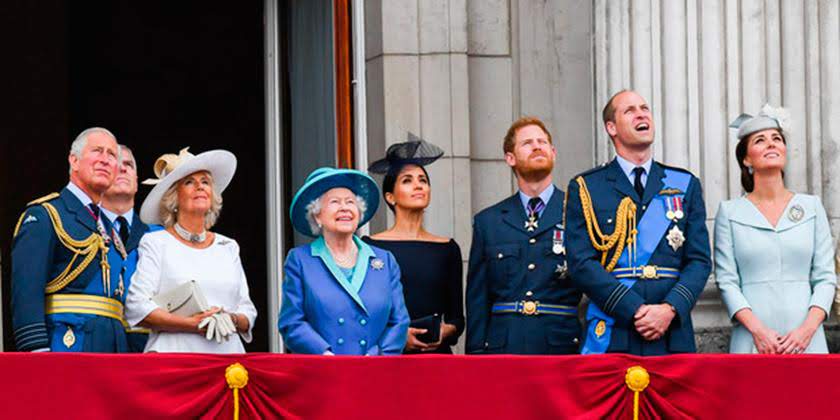
The world is captivated by the British royal family, following their every move from galas and overseas travels to weddings and scandals. After all, they are real-life monarchs—queens, princesses, and princes—straight out of a storybook or history lesson. Despite their openness to the press and public scrutiny, many aspects of their lives remain shrouded in mystery. Here are 12 intriguing facts about Queen Elizabeth II and her family.
The Windsor Name: A Castle-Inspired Legacy
The surname Windsor is relatively new. During World War I, Queen Elizabeth’s future grandfather, King George V (a cousin to both Russian Tsar Nicholas II and German Kaiser Wilhelm II), renounced his German roots for patriotic reasons. He adopted the name Windsor, inspired by the castle where the royal family resided. The Windsor name officially began in 1917, making it quite young for a European monarchical dynasty. Before then, royal family members did not have surnames; instead, they used the name of their royal house and the territories they ruled. Kings and queens simply signed their first names.
Queen Elizabeth II’s Bold Fashion Choices
Queen Elizabeth II is known for her conservative yet strikingly colorful outfits. She often wears bright hues like fuchsia, lemon yellow, and vivid blue—colors that many of her peers might avoid. The Queen once explained, “I cannot wear beige because nobody will know who I am.” Her bold fashion choices make her easily recognizable in a crowd.
Traveling Without a Passport
As the monarch, Queen Elizabeth II does not need a visa or passport to travel. In fact, she doesn’t even need to carry a British passport, as it is issued in her name. While rules technically allow her to present a coin or banknote with her image at passport control, in reality, no one asks for it. However, this privilege does not extend to other members of the royal family.
Two Birthdays: A Royal Tradition
Queen Elizabeth II celebrates two birthdays each year. The first is her official birthday, marked by public celebrations and parades, typically held on a Saturday in June for better weather. The second is her actual birthday on April 21, 1926, which she prefers to celebrate privately with her family. In 1981, during the Trooping the Colour ceremony, six gunshots were fired at the Queen as she rode her horse, Burmese. Showing remarkable composure, she continued the ceremony, demonstrating her steadfastness in the face of danger.
Royal Etiquette: No Touching and Mandatory Gift Acceptance
Royal protocol dictates that one should not touch members of the royal family. However, this rule is often broken, especially by celebrities and public figures who disregard formalities. Additionally, royal family members are required to accept all gifts presented to them. The Queen decides what to do with these gifts afterward.
Driving Without a License or License Plates
Queen Elizabeth II is the only person in Britain allowed to drive without a license or license plates. This tradition began during World War II when she served as a mechanic and driver for the Auxiliary Territorial Service. Witnesses who have seen her drive also note that she does not wear a seatbelt.
Setting the Tone at Meals
When dining with Queen Elizabeth II, guests must follow her lead. Once she finishes her meal and puts down her utensils, everyone else at the table, including royal family members, must do the same—regardless of whether they have reached the dessert or are still on the soup course.
The Monopoly Ban
In 2008, the Duke of York, Prince Andrew, revealed that the royal family is banned from playing Monopoly. The game is considered too competitive and could lead to unfavorable outcomes due to the family’s highly competitive nature.
Independent Wealth
Contrary to popular belief, the royal family is not solely funded by the state. They have substantial independent income sources, primarily from the Duchy of Lancaster, which owns commercial, agricultural, and residential properties. The revenue from the Duchy of Lancaster goes to the Treasury, with a portion covering the Queen’s expenses not covered by the Sovereign Grant. Queen Elizabeth II also owns personal properties, including Sandringham House in Norfolk and Balmoral Castle in Aberdeenshire, as well as a private collection of jewelry, stamps, cars, horses, art, and inheritances. The Crown Estate, managed by an organization, generates revenue that goes to the Treasury, with 15% allocated to the Queen.
Royal Approval for Marriage
The first six heirs to the throne under the age of 25 must obtain the Queen’s permission to marry. If the Queen disapproves of the chosen partner, the wedding will not proceed.
Consorts and the Throne
Marrying into the royal family does not grant one a claim to the throne. For example, Prince Philip, the Queen’s consort, has never been in line for the throne. Similarly, when Prince William becomes king, his wife, Catherine, Duchess of Cambridge, will become Queen Consort but will not rule as a monarch.