Proven Ways to Become a Wine Connoisseur

Proven Ways to Become a Wine Connoisseur
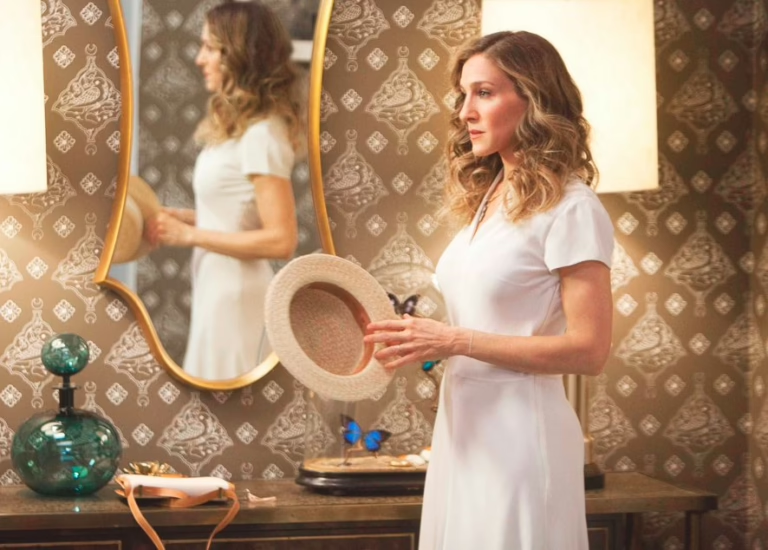
Think you don’t have the budget or the inclination to become a wine expert? Think again! Wine is about pleasure, not excess. If your knowledge is as limited as Sarah’s from that famous comic, it’s time to upgrade your skills.
Read the Label, Not the Price Tag
When choosing wine, always read the back label. Pay attention to the origin and alcohol content. Regular wines range from 9% to 16% alcohol, while fortified wines can go up to 22%. Surprisingly, standard wines are often better as their alcohol content isn’t artificially boosted.
Don’t Hesitate to Ask for Help
Visit reputable wine shops where consultants are knowledgeable and genuinely helpful. They’re not just there to sell you the most expensive bottle; they listen to your needs and guide you to the perfect choice for any occasion.
Price Doesn’t Always Mean Quality
In the world of wine, expensive doesn’t always mean better. A novice might not appreciate the nuances of a pricey, aged wine. The good news is that there are excellent options in the affordable range.
Start with New World Wines
Sommeliers recommend beginning your wine journey with New World wines from Argentina, Chile, Australia, South Africa, and the USA. Once you’re familiar with these, move on to wines from France, Spain, and Portugal before tackling the complexities of Bordeaux.
Invest in Different Glasses
While there are countless wine glasses available, start with three basic types: for white, red, and sparkling wines. The shape of the glass can significantly enhance your wine-drinking experience. For example, Sauvignon Blanc is best enjoyed from a tulip-shaped glass with a long stem, while champagne should be served in a wide glass, not a narrow flute.
Master the Art of Wine Tasting
Wine tasting involves three steps: sight, smell, and taste. First, observe the wine’s color and depth, which can indicate its acidity. Next, swirl the wine to release its aromas and identify different notes like berries, fruits, or herbs. Finally, take small sips, letting the wine linger in your mouth to appreciate its body, texture, weight, and acidity. Pay attention to the aftertaste; the longer it lasts, the better the wine.
Pair Wine with the Right Food
While some sommeliers argue that wine shouldn’t be paired with food, certain combinations can enhance the experience. Red wines pair well with grilled or roasted meats, while white wines complement seafood, turkey, and fruits. Rosé wines are delightful with tomatoes, olives, and other salad vegetables. Champagne and sparkling wines are best enjoyed with light fish, smoked salmon, or cream pastries.
Learn the Lingo
Wine terminology can be intimidating, but visual aids can help. Subscribe to channels that offer wine reviews, guides, and etiquette tips. Books like “80 Questions About Wine” by Pierre Casamayor and “Wine. A Practical Guide” by Madeline Puckette are excellent resources. They use infographics, diagrams, and illustrations to make learning about wine enjoyable and accessible.
Explore Daily
If you don’t have time for books, follow Telegram channels dedicated to wine. They offer insights into the wine industry, tips on choosing bottles, and answers to tricky questions. Don’t be afraid to experiment and try different wines. Keep a journal to track your preferences and discoveries.
Visit a Vineyard
To truly understand wine, visit a vineyard. In Russia, the Abrau-Durso champagne factory is a great place to start. If you can’t visit in person, many vineyards offer virtual tours and educational videos on YouTube. Documentaries on channels like National Geographic can also provide valuable insights into the world of wine.
Remember, becoming a wine connoisseur is a journey. Enjoy the process, and don’t rush. With time and practice, you’ll develop a deeper appreciation for this divine beverage.
For more information, you can visit Wine Folly, a comprehensive resource for wine enthusiasts.