Pavel Fatyhov: Overtraining Fears Debunked and Fitness Myths Unveiled
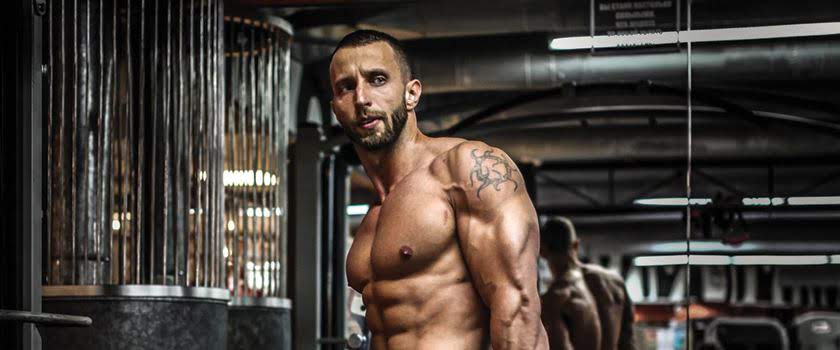
Exclusive Interview with Pavel Fatyhov: Fitness Tips and Myths Debunked
We’ve gathered questions from our readers about training with different body types, choosing the right dumbbells, nutrition, strengthening back muscles, and more. We’ve forwarded these questions to Pavel Fatyhov, an internationally renowned fitness presenter, winner of international competitions, participant in major fitness festivals, and fitness expert.
Choosing the Right Home Exercise Equipment
Anna asked, “What equipment should I buy for home workouts if I don’t have time to go to the gym?”
Pavel Fatyhov recommends purchasing a set of dumbbells or resistance bands and an exercise mat. This setup is ideal for home workouts as it allows you to target all muscle groups. However, home workouts with this equipment won’t fully replace a gym. If budget is not an issue, you can also buy a treadmill for indoor cardio during winter—it’s more pleasant to run outdoors in the park during summer.
Debunking the Myth of Overtraining
Eugenia asked, “How can I tone my body without bulking up?”
Pavel Fatyhov reassures, “Ladies, don’t fear overtraining because it won’t happen! The female body is not designed for muscle hypertrophy as it does not produce the hormone testosterone, which, along with growth hormone, is responsible for muscle growth. Additionally, women often confuse muscle fullness with muscle growth. Fullness occurs in the first 2-3 days after a workout because muscles retain water and nutrients for recovery. To gain significant muscle mass, you need to put in a lot of effort and maintain an ideal diet and sleep regimen. Training 2-3 times a week for an hour after work won’t lead to bulking up. So, train confidently—you won’t overtrain. Moreover, focusing on areas that improve proportions (hips, glutes, shoulders, round and upper latissimus dorsi muscles) will enhance your appearance.”
Nutrition Tips for Active and Less Active Training Periods
Svetlana asked, “How should I structure my nutrition in the fall, considering both active and less active training periods? What foods should be included in my diet?”
Pavel Fatyhov advises, “When developing a nutrition plan, efficiency and simplicity are key. Personally, I prefer an approach that doesn’t require more than an hour a day for meal preparation and provides an optimal balance of proteins, fats, and carbohydrates in one product. I can stick to such a program for a long time. However, this approach may not suit everyone. Try changing your nutrition program every week: keep roughly the same macronutrient ratio (proteins, fats, carbohydrates) but vary the ingredients.”
Additionally, in the fall, the body experiences stress, so your nutrition plan should include more vitamins and polyunsaturated fats. Add nuts, dried fruits, grapefruits, seafood, blueberries, hard cheeses, and honey to your diet. I also recommend increasing your intake of multivitamins and omega-3 for a month.
Exercise for Stress Relief
Katya asked, “Is going to the gym a good way to relieve stress?”
Pavel Fatyhov responds, “Yes, exercising is one of the best ways to relieve stress, switch gears, and clear your mind of repetitive thoughts. Over time, this can become a good habit. However, the main goal of exercising should be enjoying the process, maintaining fitness, and feeling good.”
Training for Different Body Types
Irina asked, “How should I train if I have a ‘pear’ body type with a heavier lower body? And if I have a ‘triangle’ body type with broad shoulders?”
Pavel Fatyhov explains, “If you naturally have a ‘pear’ body type (narrow shoulders and chest) and want to visually improve your proportions, focus on developing your deltoid muscles and the upper part of your chest muscles. Train your rear delts and round back muscles. With regular training and proper exercise execution, your proportions will improve: your chest and shoulders will visually appear wider, and your waist will seem smaller. Women with a ‘triangle’ body type are lucky: broad shoulders always create the impression of a narrow waist, even with serious training on the hips and glutes. However, when doing lower body exercises, don’t forget to work on your shoulder girdle.”
Training with Vascular Diseases
Maria asked, “How should people with vascular diseases train?”
Pavel Fatyhov advises, “If you have any stage of varicose veins, unfortunately, you need to avoid intense leg and glute workouts: avoid squats, pulls, and any variations with weights exceeding 30 kg. When performing any exercises, avoid excessive strain, don’t hold your breath for long, and avoid prolonged static exercises. All these actions create increased pressure in the vessels, which is highly undesirable. During any workout, people with vascular diseases of the legs should wear quality compression gear, even if training other parts of the body.”
Strengthening Back Muscles with Osteochondrosis
Tatyana asked, “What are your tips for strengthening back muscles considering osteochondrosis?”
Pavel Fatyhov recommends, “If you have osteochondrosis or an intervertebral hernia, it’s crucial to maximally develop your back muscles to relieve the load on the spine. Initially, it’s preferable to work with machines: all types of block and crossover pulls, etc. Avoid axial loads: squats and variations of deadlifts. I also recommend combining back and abdominal workouts to avoid creating strong compressions in the spine. Attend anti-gravity yoga, Pilates, and swimming classes, and don’t forget to stretch. Of course, all workouts should be conducted under the supervision of a qualified trainer. Stay healthy!”