Norway on a Budget: Your Ultimate Adventure Awaits!
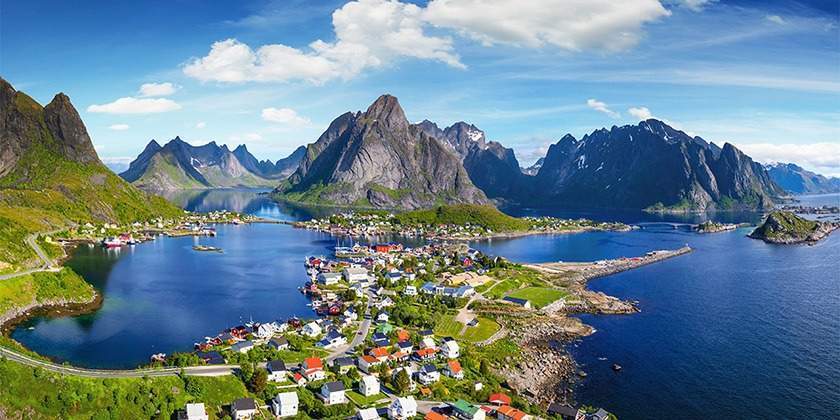
Dreaming of Norway but worried about the cost? You’re not alone. Known for its stunning landscapes and high prices, Norway seems like a destination only for the wealthy. But what if we told you that it’s possible to explore this Scandinavian gem without breaking the bank? Join us as we share our journey of two adventurous families who experienced the best of Norway on a budget.
Preparation: The Key to Budget Travel
Our adventure began months before we set foot in Norway. We scoured the internet for the best deals on ferry tickets, securing our spots on the Riga-Stockholm and Nyneshamn-Ventspils routes. Our planned route was ambitious: Minsk – Vilnius – Riga – Stockholm – Norway – Stockholm – Nyneshamn – Ventspils – Vilnius – Minsk. With only 10 days to spare, we wanted to make every moment count.
We decided to skip the bustling cities and architectural marvels. Our goal was to immerse ourselves in Norway’s breathtaking nature. We dreamed of breathing in the crisp mountain air, marveling at the stunning blue fjords, experiencing the unique Scandinavian summer, and spending romantic nights camping under the stars. And maybe, just maybe, we’d catch a glimpse of a salmon.
To make our trip as budget-friendly as possible, we gathered all the necessary gear beforehand. Tents, air mattresses, warm sleeping bags, comfortable hiking shoes, insulated clothing, and raincoats were all on our checklist. If you already own most of these items, you’re one step ahead in saving money. A word of advice: if you don’t have hiking boots, invest in a pair. They’re essential for navigating Norway’s mountain trails.
We also stocked up on food, buying some in Belarus and the rest in Lithuania before our departure. This helped us save a significant amount of money, as dining out in Norway can be quite expensive.
Hello, Norway!
The day we’d been waiting for finally arrived. We set off on our journey, driving from Minsk to Riga with an overnight stay in Vilnius. From Riga, we boarded a large cargo-passenger ferry to Stockholm. After a 12-hour overnight crossing of the Baltic Sea, we found ourselves in Scandinavia. Sweden greeted us with rain, so we decided to explore its beauty on our return trip. Norway awaited us!
Our first impression of Norway was a mix of emotions. Barren rocks, stony soil, narrow roads, almost empty streets, and rainy, gray weather greeted us. But soon, the landscapes began to change. Picturesque mountains with snow-capped peaks emerged before us, people and well-kept houses appeared, the rain stopped, and the weather cleared.
On our first day in Norway, we decided to play it safe and booked a cabin at one of the campsites. Norway is truly a paradise for tourists, with everything designed for maximum convenience. Finding a place to rest and spend the night is incredibly easy, with a vast selection of hotels and campsites to suit every taste and budget. Locals also rent out cabins, known as “hytter.” Moreover, Norway is a free zone, meaning you can pitch a tent almost anywhere and stay as long as you like, as long as you’re not on private property.
During our trip, we camped several times in tents on campsite grounds. These campsites offer all the necessary amenities for a comfortable stay, including kitchens, showers, toilets, and self-service laundries. We also stayed in cabins, which ranged from 500 to 1000 kroner, depending on the location, conditions, and owners. Renting a spot for a two-person tent cost us between 150 to 170 kroner per day.
Must-See Attractions
Norway is one giant attraction, with countless places to visit. Here are just a few of the many sights we managed to see:
Jostedalsbreen National Park
Home to Europe’s largest mainland glacier, Jostedalsbreen, covering an area of approximately 480 square kilometers. At the park’s entrance, you’ll find the Glacier Museum, where you can learn interesting facts about glaciers and purchase tickets for a guided tour or hike on one of the glacier’s arms. Unfortunately, we didn’t have the proper equipment, so we admired the striking blue beauty of Jostedalsbreen from afar.
The Snow Road
You can see this unique road by taking a detour around the Lærdal Tunnel, the world’s longest road tunnel. The Snow Road stretches for 48 kilometers, reaching a maximum height of 1,306 meters above sea level. Even in the middle of summer, three-meter snowdrifts line the sides of the road. Before the construction of the Lærdal Tunnel, this mountain pass was the only road connecting Oslo and Bergen. Due to heavy snowfall and avalanches, the road was almost always closed in winter, and the only way to reach the cities was by ferry. Today, the Snow Road is a tourist attraction and a favorite spot for extreme cyclists. The road ends with the impressive Stegastein viewpoint, designed as a huge wooden bridge with a glass railing at the end. From this viewpoint, you’ll enjoy a stunning view of the Aurlandsfjord. The Snow Road is open from June to September.
Route 55
This road is even more impressive than the Snow Road. It’s not just a tourist attraction (recognized as a National Tourist Route) but also a bustling highway connecting several cities and regions. Route 55 runs between Luster and Lom, leading to Jotunheimen National Park, and is the highest mountain road in Northern Europe, with a maximum height of 1,430 meters above sea level. As we drove, we witnessed three seasons change before our eyes: summer, spring, and winter. We also encountered a variety of breathtaking landscapes, from snow-covered mountains to barren tundra and lush gardens. The road is lined with multi-meter snowdrifts, steep hairpin turns, and slopes, as well as raging mountain rivers and countless waterfalls.
Geirangerfjord
Rightfully considered one of the most picturesque and frequently visited Norwegian fjords. On the outskirts of the Geirangerfjord, where the Geirangelva River flows into it, lies the village of Geiranger, from which the fjord gets its name. In 2005, the fjord and its surrounding areas were added to the UNESCO World Heritage List. This status currently prevents the local authorities from implementing their plan to build power lines across the fjord.
This area offers a wide selection of campsites. We chose one of the most beautiful and affordable options. There are also campsites right on the fjord’s shore. At one of them, we rented a small motorboat for an hour and admired the famous waterfalls of the Geirangerfjord – the “Seven Sisters,” the “Suitor,” and the “Bridal Veil” – from up close. We also caught a wave from a passing cruise ship.
For more information on budget travel, check out Nomadic Matt, a renowned travel expert.