Moscow Clinics Continue to Offer Non-Surgical Buttock and Breast Augmentation
Moscow Clinics Continue to Offer Non-Surgical Buttock and Breast Augmentation
At the beginning of January, the life of 38-year-old Yulia Burtseva was tragically cut short. The blogger fell ill during a buttock augmentation procedure at a Moscow clinic. She had flown in from Italy, where she lived with her husband and daughter, specifically for this procedure. Burtseva opted for a non-surgical method of buttock augmentation, which has been gaining popularity. Numerous websites advertise this as an easy way to correct one’s figure using a unique method from top specialists.
The Risks and Popularity of Non-Surgical Procedures
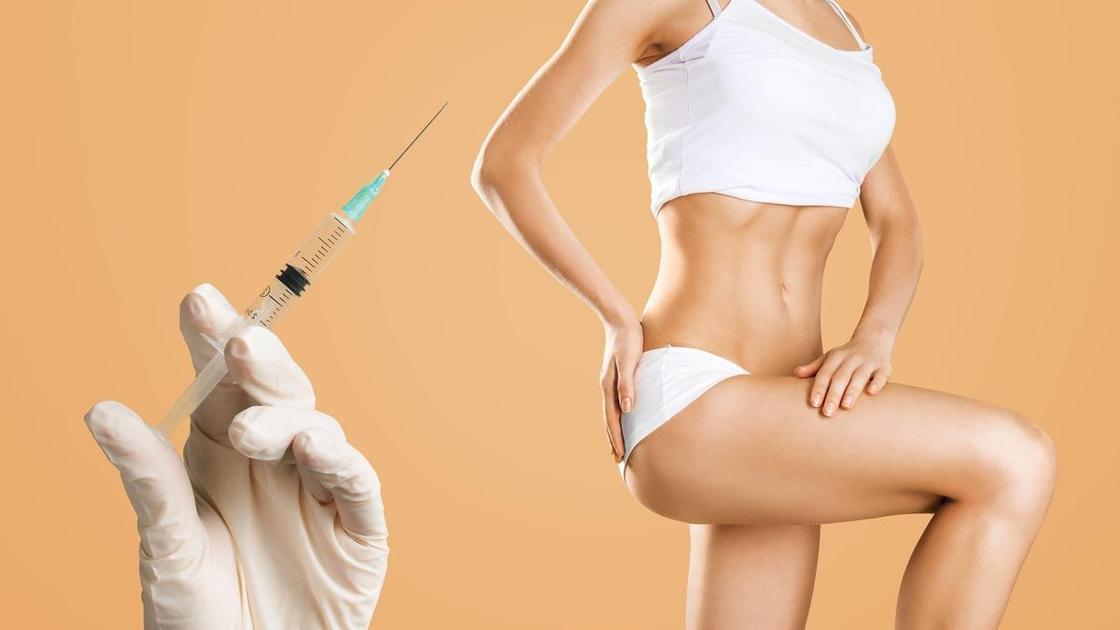
The procedure involves using fillers to model the contour and fullness of the buttocks, purportedly safely and without surgical intervention. However, the safety of this method has been called into question following Burtseva’s death from anaphylactic shock, a severe allergic reaction. Despite the tragic incident and the subsequent criminal investigation, cosmetologists have not rushed to remove buttock contouring with fillers from their service lists. In fact, they continue to offer similar methods for breast augmentation, claiming it to be without operations, implants, or risks—though the latter claim is debatable.
The Market for Non-Surgical Augmentation
A search for “Buttock augmentation with fillers in Moscow” yields dozens of websites offering such services. The average price is around 80,000 rubles for 100 grams of the substance, but most clinics have promotions, reducing the cost to approximately 35,000-45,000 rubles. According to an administrator from one of the clinics, the price for 100 ml of filler is 45,000 rubles. She advises using at least one bottle per buttock for noticeable results. The exact volume is determined by the doctor during the consultation, as everyone has different needs and body structures.
The Procedure and Its Claims
The administrator highlights several advantages of the method: it is non-surgical, requires no anesthesia (as the preparation contains lidocaine), leaves no scars (only 3-4 punctures), and any redness fades within a couple of days. The filler is claimed to last 2-3 years, and with timely corrections, the results can last even longer. No tests are required; the doctor simply discusses the patient’s medical history during the appointment. However, for breast augmentation, an ultrasound is necessary to guide the filler injection.
Safety Concerns and Professional Opinions
When questioned about the safety of the procedure, especially in light of Yulia Burtseva’s tragic death, the administrator insists on its safety, stating that it is not an operation and that Burtseva’s procedure was different. However, many doctors disagree. Anna Kotova, a dermatovenereologist and cosmetologist with 17 years of experience, emphasizes the unpredictability of such procedures. She warns that large volumes of gel injected into the buttocks can migrate, leading to severe complications such as ischemia or embolism. The risks are even higher with breast augmentation, where clogged ducts can occur.
The Risks of Lidocaine Overdose
Another significant risk is lidocaine overdose. Fillers often come with lidocaine, and the large volumes used in buttock augmentation can introduce substantial amounts of the anesthetic into the body. Allergic reactions can be unpredictable and dangerous, especially when performed by practitioners without proper medical education.
In conclusion, while non-surgical buttock and breast augmentation procedures are marketed as safe and effective, they come with significant risks. It is crucial to consult with qualified medical professionals and thoroughly research the procedures and clinics before making any decisions. For more information on the risks and benefits of cosmetic procedures, you can refer to authoritative sources such as Woman.ru.