Mom, I’m Scared! A Child Psychologist Explains the Roots of Fears and How to Overcome Them
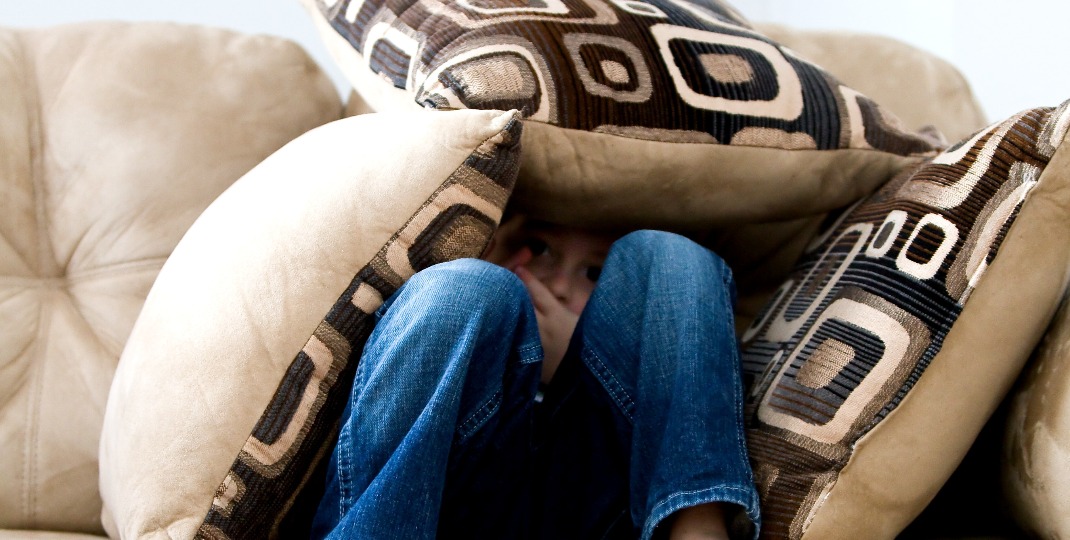
Mom, I’m Scared! A Child Psychologist Explains the Roots of Fears and How to Overcome Them
Children are often afraid of the dark, insects, being alone at home, or even other people. The list of childhood fears can seem endless. Many have heard the phrase “All fears stem from childhood.” To some extent, this is true. Psychoanalyst Sigmund Freud was one of the first psychologists to assert that childhood fears and traumas directly affect a person’s mental state and well-being in adulthood. We decided to explore this topic further and asked Anastasia Urlik, a practicing child psychologist, about how and why fears arise in children and what methods psychologists use to address these fears.
How Fears Develop in Children
Fear is a reaction to a perceived threat, whether real or imagined. It is one of the basic emotions that serves as a protective mechanism necessary for adaptation and survival.
In a child’s development, fear plays a crucial role: it regulates behavior, teaches attentiveness, and promotes selectivity. However, excessive fear can hinder mental processes, negatively affecting a child’s adaptation and communication skills.
Fear arises in the following way: a stressful stimulus triggers the release of chemicals in the body, causing an increased heart rate and rapid breathing. The mind records this negative experience. Upon subsequent encounters with the same or similar stimulus, the child reacts with fear.
Why Do Fears Occur in Children?
Several factors contribute to the development of fears in children:
- Negative Experiences: If a child has had unpleasant experiences in the past while interacting with someone or something, this experience is recorded in their memory, leading to fear.
- Anxious Parents: Children are highly attuned to their parents’ emotions. Frequent warnings like “You’ll fall, don’t do that!” or “It’s dangerous there, don’t go!” can make a child perceive the world as a dangerous and unpredictable place.
- Unfavorable Family Environment: Children from families with frequent conflicts, aggression, or neglect tend to have more fears and anxieties. Often, improvement in the family situation is necessary for any progress in addressing these fears.
- Stress During Pregnancy: Research confirms that frequent stress in expectant mothers can lead to increased nervous excitability in children. Such children may startle at the slightest noise or bright light and take longer to adapt to new conditions. Thus, the advice “Don’t get stressed, it’s harmful to the baby” is well-founded.
- Individual Characteristics: Fears are more likely to affect children with vivid imaginations, sensitivity, and impressionability. Instead of trying to eliminate these traits, it’s better to channel them positively, such as enrolling the child in an art class where they can express their imagination.
How Childhood Fears Are Linked to Age
There are age-specific fears common to many children:
- Infants (up to 1 year): Fear separation from their mother, doctors, loud noises, depth during bathing, and strangers. For example, a 10-month-old baby might fear bathing due to a past negative experience but can gradually overcome this fear with gentle exposure to water.
- Around 1 Year: Children can identify specific objects of fear. For instance, if a doctor’s visit was painful, the child might develop a fear of people in white coats.
- Ages 2-3: Children fear large animals, pain, heights, and moving vehicles. The fear of large animals and the dark is often instinctive.
- Ages 4-5: Children begin to fear fictional characters, the dark, loneliness, and going to sleep. It’s important to monitor the content of the cartoons and stories they are exposed to and minimize negative influences.
- Ages 6-7: Fears of death (their own or that of loved ones), nightmares, fire, and ghosts emerge.
- Ages 8-10: School-related fears appear, such as fear of bad grades, disapproval from parents and teachers, and fear of speaking in front of the class. Some children may also develop fears of the supernatural, especially if they are imaginative or impressionable. Developing critical thinking and the ability to analyze information is crucial at this stage.
- Adolescence: Fears of death, war, attacks, illness, self-expression, and bodily changes become more prominent.
General Principles for Addressing Childhood Fears
- Validate the Child’s Feelings: Avoid dismissing their fears with phrases like “You’re too old to be afraid” or “Stop crying, you’re acting like a baby.” Such responses can make the child withdraw and feel isolated with their fears.
- Communicate: Regular communication with adults encourages children to think about the causes of their fears and share their experiences.
- Encourage Creativity: Engage in activities like drawing, sculpting, or creating stories about their fears. This helps reduce internal tension and allows the child to express and reframe their emotions.
Practical Examples of Addressing Fears in Children
Situation One: Fear of Insects
A child aged 11 is afraid of insects (bees, wasps, horseflies) and, as a result, fears going outside during the summer.
This is not just a fear but a phobia if:
- The child panics at the sight of insects (shaking hands, trembling voice, hysteria).
- The child has obsessive thoughts (e.g., “Bees are everywhere,” “I need to use insect repellent constantly”).
- The child experiences constant anxiety.
Possible causes of this fear include:
- A traumatic event, such as an unexpected insect bite, followed by unaddressed stress.
- Associating an insect bite with a loved one’s death, leading to a fear of dying from an insect bite.
- Observing strong emotional reactions from close individuals when they see insects, reinforcing the belief that insects are dangerous.
- Exposure to media portraying extreme scenarios involving insects, leading to fear that these scenarios might occur in real life.
- Fear of facial swelling from an insect bite and subsequent mockery from peers, reflecting a fear of rejection.
To help the child:
- Avoid demonstrating strong fear in front of the child.
- Do not mock the phobia, as this can invalidate their feelings.
- Teach emotional self-regulation techniques for stress management, such as breathing exercises.
- Study the biological aspects of insect bites and first aid procedures.
- Visit an insect exhibition.
- Accompany the child near bees, discussing how nothing harmful is happening.
- Develop critical thinking skills.
- Try to identify the root cause of the fear, as often, the fear is not of the dark itself but of what might be in it.
Situation Two: Fear of the Dark
A child aged 6 is afraid of the dark and cannot sleep without a light on.
Possible causes of this fear include exposure to movies or cartoons featuring monsters that attack unexpectedly. To address this fear, it’s important to understand the underlying causes and provide reassurance and support to help the child overcome their anxiety.