Michael McNamara: Women Fear Cancer, But Heart Attacks Are the Real Threat
Michael McNamara: Women Fear Cancer, But Heart Attacks Are the Real Threat
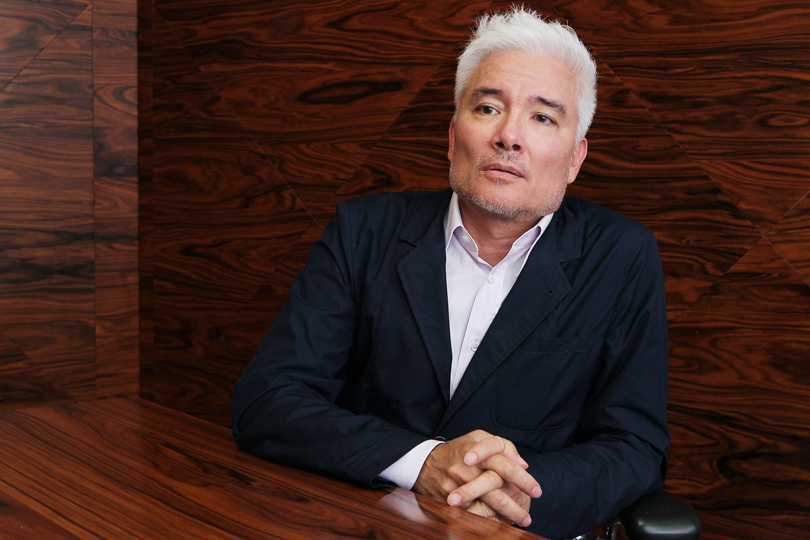
“All women fear breast cancer, and they shouldn’t,” says Michael McNamara, the personal physician to the Prince of Monaco, actor Leonardo DiCaprio, and tennis player Novak Djokovic. He is also the founder of preventive medicine medical centers in Monte Carlo, Modena, and Moscow. McNamara began his successful medical career in America, where he studied and practiced as a surgeon before becoming fascinated with the possibilities of MRI (Magnetic Resonance Imaging). Today, he actively shares his research worldwide, treats celebrities, and opens medical centers. In an exclusive interview with “City of Women” magazine, Michael McNamara discussed breast cancer, approved Angelina Jolie’s choices, and revealed the secret to prolonging life.
Health Risks for Young Women
Our primary readers are young women aged 25 and above. Based on your practice, what are the main health issues this group faces?
Most women aged 25 and above worldwide, including Belarus, struggle with weight problems. The American lifestyle, with its fast food, soda, and McDonald’s, has affected everyone. Such diets primarily impact weight, leading to heart diseases. However, women are more concerned about breast cancer. But breast cancer kills women five times less than heart attacks. This is what women who have reached 25 should be thinking about.
To avoid health problems, a young woman’s diet should include vegetables, fruits, and high-quality products. I’m not saying people should become vegetarians if they don’t want to. But they should consider the amount and type of meat they consume. Protein can always be obtained from fish or vegetables, which is much healthier.
A young urban woman should move more. Modern life, whether in Belarus or Mexico, for most people involves sitting in front of a computer, television, or driving a car—all without physical activity. I’m not urging everyone to go to the gym. You can refuse the elevator, walk more… these actions will benefit you in the future.
Protecting Against Cancer
Still, as you mentioned, young women are more worried about developing cancer. How can they protect themselves?
I’m glad you asked this question. Both heart problems and cancer are mainly caused by excess weight, as I mentioned earlier. Consuming harmful foods leads not only to an incorrect body mass index but also to the accumulation of intra-abdominal fat. This fat envelops internal organs and releases molecules that enter the blood, heart, and liver, causing inflammation and weakening the walls of blood vessels, ultimately leading to cardiovascular diseases. These are the causes of premature mortality.
I repeat: the main problem today is that a third of the world’s population suffers from either overweight or obesity. There are also factors that influence the presence of cancer. For example, the case of Angelina Jolie, who underwent surgeries due to heredity.
Angelina Jolie’s Case
So, Angelina Jolie, who removed her breasts, ovaries, and fallopian tubes, did everything right?
We cannot say for sure whether she did the right thing or not, as the organs prone to cancer have been removed, and we cannot study them. But we can say that her case was unique. Jolie had over 89% of the genes that predispose to breast cancer. Those with the same risk factor who do not want or cannot resort to such radical measures can use traditional prevention methods—diagnostics. The simplest method is self-examination. However, I am not a supporter of it. By the time a tumor is palpable, it has already reached a size where it can affect the brain and other tissues. Therefore, the next step is X-ray therapy. Again, it detects cancer that is already dangerous to the body. A more progressive and naturally more expensive method is resonance therapy—MRI, which uses a contrast agent to detect tumors in the body.
Moreover, there is an innovative method where body fluids are analyzed for atypical cells indicating the onset of cancer. For example, such an analysis can be done on the fluid from the milk ducts. If these cells are present, we are talking about the development of cancer. These processes can be influenced orally, as these cells still have a sensitive surface that responds to drugs. But oral medications have various side effects. Research is currently underway to develop drugs that can be used as prevention without unpleasant consequences. All these methods are not prevention per se, but they help detect cancer.
Tips for a Longer Life
Modern people want to live long lives. Do you have any signature advice on how to prolong life?
Lifespan depends on many factors: genetics, environment, lifestyle, and habitat. In this country, the lifespan is not as long compared to the rest of the world. If I remember correctly, the life expectancy in Belarus is 71 years for men and 75 years for women. That’s not very long. So, my first advice is: don’t smoke. It sounds silly—everyone knows that smoking is harmful. But I’m also talking about not going to places where people smoke. While in Minsk, I dined at a good French restaurant where people were smoking at the next table. And it turns out that I was also smoking. I was smoking their cigarettes. And this is a problem. We should not be secondary smokers. About 25–33% of the population in this country die from secondary smoking. I say this because, in the USA, you cannot smoke in public places, in restaurants, in central parks, or on the streets. They try to minimize secondary smoking. But even in the USA, with its strict anti-tobacco policy, 25% of people die from this type of smoking. Smoking is bad.
And secondly, control your weight. We must minimize the impact on our blood pressure. Everyone should exercise and eat right. Never eat fast food. Don’t even touch Coca-Cola. And don’t buy processed products: sausages, sausages, and the like. The more you eat this, the faster you will die. Give up meat. If you eat meat three times a week, your risk of dying from a heart attack increases to 42%. Any meat—lamb, beef, pork… If 20% of the protein in your body comes from red meat, the chance of dying from cancer is 4 times higher than that of a vegetarian. In this regard, I give three pieces of advice: exercise, watch your weight, and don’t eat meat. And be healthy!
Interviewed by Anna Makota