Mere Boynton: A Trailblazing Journey Through Art and Advocacy
Mere Boynton: A Trailblazing Journey Through Art and Advocacy
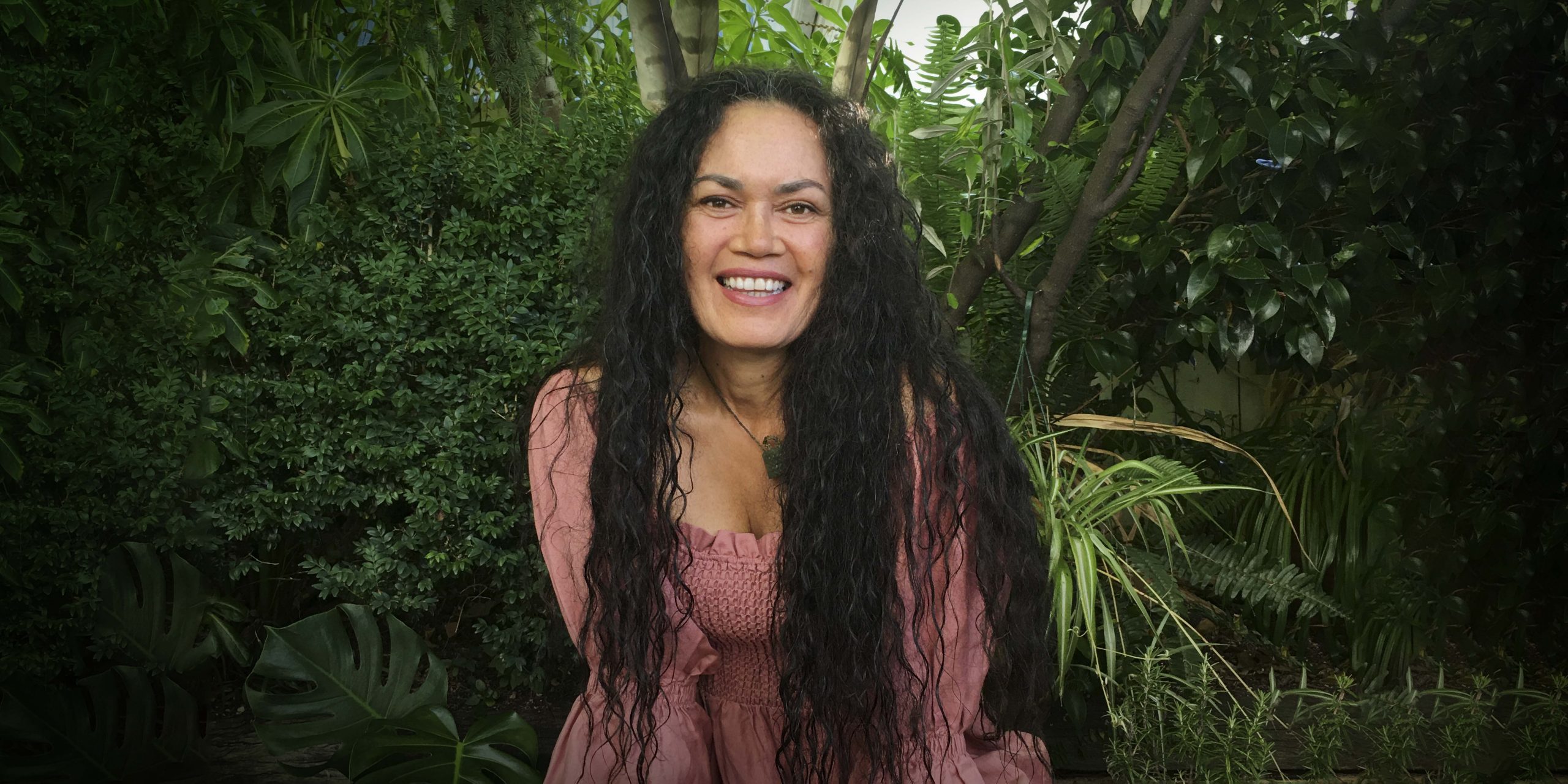
Mere Boynton, a beacon of talent in acting, singing, and producing, shares her remarkable journey with Sarah Catherall. Her recent appointment as the Director Ngā Toi Māori for Tāwhiri signifies a pivotal moment in her distinguished career.
Early Influences and Childhood
Mere Boynton, with roots in Te Aitanga a Mahaki, Ngāti Oneone, and Tuhoe, traces her artistic beginnings to her childhood on a farm near Gisbourne. Her mother, Tangi, introduced her to the world of music with a ukulele, while her father, Norman, a farm manager and dog triallist, fostered her love for reading. Growing up, Mere and her siblings were steeped in singing, dancing, and kapa haka lessons, often participating in singing competitions where Mere’s talent was evident.
“Everyone was always surprised when this young Māori girl got up,” Mere recalls with a laugh. “My whanau are high achievers. They had high expectations of their tamariki.”
A Career of Accomplishments
Mere’s career is a testament to her versatility and talent. She first gained widespread recognition for her role as Mavis the karaoke singer in the groundbreaking film Once Were Warriors (1995). Her journey in the performing arts began at Taki Rua Theatre in Wellington, where she honed her craft. She later graduated from Victoria University, where she studied music and Māori Studies, but her passion always lay in the performing arts.
Her film debut in Once Were Warriors was followed by a role in The Piano. Mere initially had reservations about the script of Once Were Warriors, which she felt stereotyped Māori alcoholism and domestic violence. However, the experience proved to be transformative.
“I remember turning up on the first day and Temuera Morrison was in character,” she says. “He was all pumped up. It was electric being part of it. I learnt my craft by being there.”
Personal Life and Challenges
Mere met her husband, Simon Parkin, while hitchhiking from Mahia to Te Karaka. “He was surfing and offered to give me a lift. I stayed in his house truck and the rest is history,” she smiles. The couple faced significant challenges when their only child, Mana Tawhiti, was diagnosed with severe autism at the age of three.
“We knew nothing about autism,” Mere says. “And there was very little support in those days.” The family tried various natural therapies and behavioral treatments, but the strain was overwhelming. Eventually, they moved to Napier for Mana to receive care at the Hohepa Residential Home in Hawke’s Bay.
Mana’s disability has deeply influenced Mere’s life and art. “It has certainly made it easy for me to tap into grief when I’m performing,” she shares. “The problem is to come out of that emotional space and not be followed by it.”
Art as Activism
In her role as Director Ngā Toi Māori for Tāwhiri, Mere has been instrumental in shaping the New Zealand Festival of the Arts. For the first time in the festival’s 35-year history, half of the content in 2022 is Māori or indigenous. Although many events have been postponed due to Covid-19, Mere is particularly excited about works by the Māori artist Lisa Reihana, including Te Wai Ngunguru – Nomads of the Sea (2018), an immersive 3D installation that explores social tensions in 1800s New Zealand.
Mere sees art as a powerful form of activism. “Until this role, I only have worked in the Māori space,” she says. “I feel that our people need their own space and to be supported by like-minded people. But with this bi-cultural role, I realized it was such an opportunity and it was my time.”
For more information on Mere Boynton and her work, you can visit the official New Zealand Festival of the Arts website.