Mastering the Art of Growing Asparagus in Your Backyard
Mastering the Art of Growing Asparagus in Your Backyard
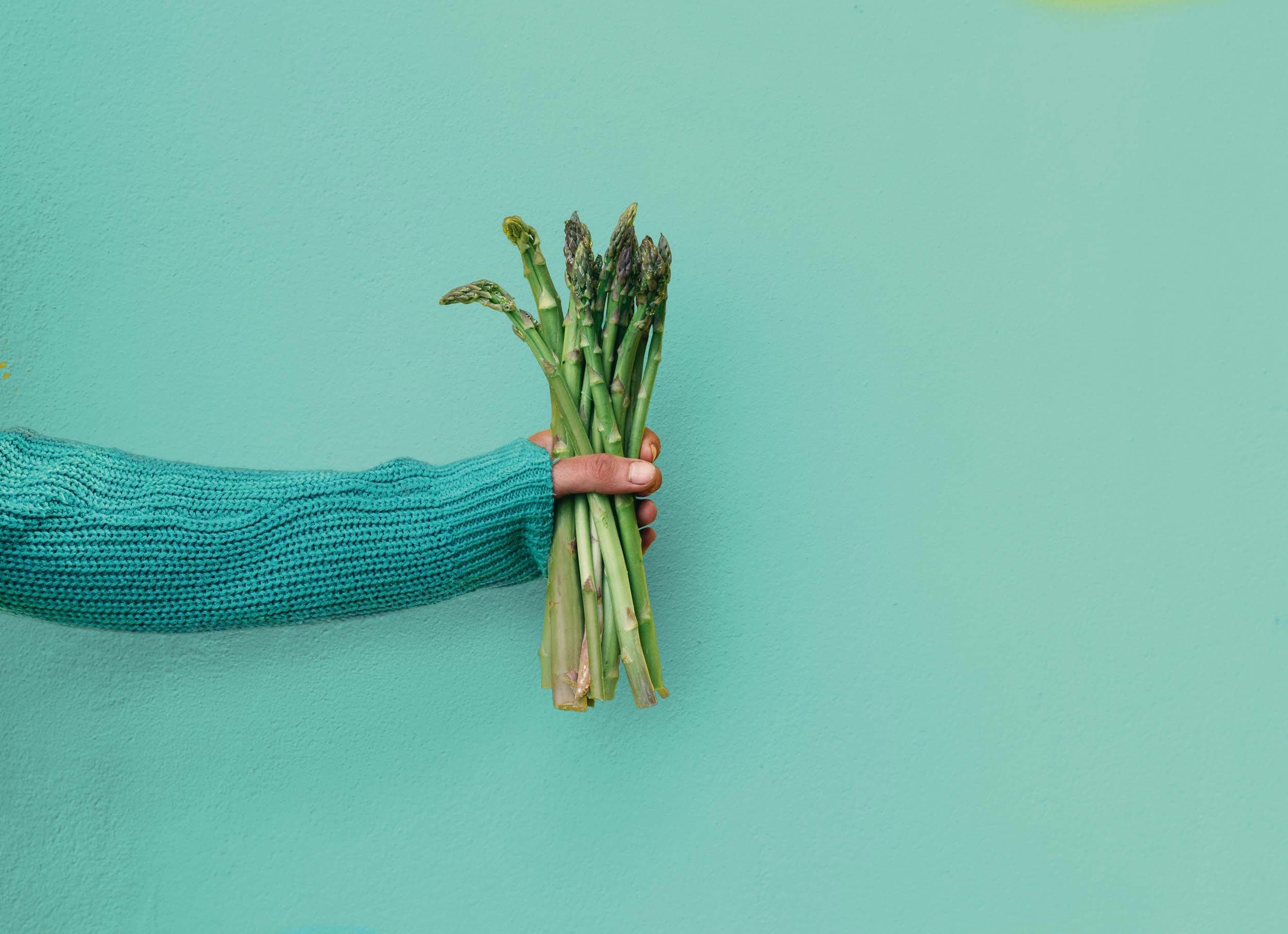
Imagine the satisfaction of plucking fresh, crisp asparagus straight from your backyard. Cultivating your own asparagus requires space and patience, as it takes a couple of years to yield your first harvest. However, the wait is undoubtedly rewarding.
The Historical Significance of Asparagus
Asparagus has been a cherished delicacy since ancient times. It was depicted as an offering in an Egyptian frieze dating back to 3000 BC. The Greeks and Romans treasured it so much that they dried it for winter consumption. Even Emperor Augustus was fond of asparagus, stressing the importance of not overcooking it. He famously said, “faster than cooking asparagus” to describe swift tasks.
Cultivating Your Own Asparagus
To grow your own asparagus, you’ll need a sunny location, ample space, and plenty of patience. Growing asparagus is a test of endurance. Jo Duff, an expert from Kahikatea Farm, a celebrated permaculture farm and organic nursery in Hawke’s Bay, shares her wisdom. Jo has been selling asparagus plants for 15 years, and they sell out quickly each year. This year, she has prepared a well-drained area enriched with chicken and cow manure from the farm, covered with wet cardboard and woodchip mulch.
Planting Guidelines
When planting asparagus, space the plants about 18 inches apart. Jo suggests planting diagonally to fit more plants in your garden. Each plant yields around 20 spears per season, so you’ll need several plants to feed a family. The ideal planting time is from July in warmer regions and from September in cooler areas.
Jo favors heirloom varieties like ‘Mary Washington’ and ‘Sweet Purple’ asparagus, but hybrids that yield more heavily are also an option.
The Patience Game
Now comes the challenging part: waiting. In the first year, refrain from picking any asparagus to allow the fern-like foliage to nourish the plant. In the second year, you can harvest a few spears, but it’s only in the third year that you’ll get a full harvest. Asparagus is a perennial plant, meaning it remains in the same spot for years, which benefits the soil. It allows beneficial microorganisms to flourish, making it an ideal plant to intersperse with annual vegetables.
Nutritional Advantages
Asparagus is rich in essential nutrients, including vitamins A, C, E, and K, as well as folate. It also contains asparagusic acid, which causes the distinctive urine smell after consuming asparagus. This compound breaks down into sulfur-containing by-products.
Culinary Delights
There are numerous ways to savor asparagus. You can enjoy it raw, thinly sliced in salads, or lightly steamed and dressed with melted butter and a hint of lemon. It’s also delicious in a frittata or roasted in the oven and topped with fried sliced almonds and capers, a style made popular by Yotam Ottolenghi. For a modern twist on asparagus rolls, use lightly steamed spears, buttered fresh bread, and a dollop of premium mayonnaise.
For more gardening tips, visit The Old Farmer’s Almanac.