Mastering Sushi: Etiquette Tips for an Authentic Tokyo Experience
Mastering Sushi: Etiquette Tips for an Authentic Tokyo Experience
Ordering sushi for dinner has become a common practice, thanks to the rising popularity of this healthy and delicious Japanese cuisine. However, despite its fast-food status in some circles, sushi comes with a rich history and a set of etiquette rules that enhance the dining experience. Let’s explore how to enjoy sushi like a true Tokyoite.
The Rich History of Sushi
The origins of sushi can be traced back to 718 AD, although the original recipe has been lost to time. Over the next 800 years, sushi evolved alongside Japanese cuisine. Initially, cooked rice was used to preserve and ferment fish, a process that took several weeks. With the advent of rice vinegar technology, this process was significantly shortened.
There are two main styles of sushi preparation: Kansai and Edo, named after the regions where they originated. The Kansai style features more rice, while the Edo style includes more fresh fish, reflecting the fishing culture of Edo (modern-day Tokyo).
Since the 19th century, the technology behind sushi preparation has remained largely unchanged. However, professional chefs continue to innovate within the boundaries of tradition, creating new and exciting variations while respecting the core principles of sushi making.
Essential Sushi Etiquette Rules
Sushi etiquette begins even before you arrive at the restaurant. To fully appreciate the aroma of the fish, avoid wearing perfume or strong scents. This simple rule is often overlooked, but it’s crucial for preserving the natural flavors of the sushi.
Restaurant Etiquette
In a traditional sushi restaurant, guests are greeted with a bow. While you don’t need to return the bow, a polite greeting is always appreciated. If you’re interested in watching the sushi preparation process, request a seat at the bar.
At the beginning of the meal, you’ll be given a hot, moist towel called an oshibori. Use it to clean your hands thoroughly and then fold it neatly. Avoid ordering too much food; only request what you can eat. Leaving food uneaten is considered rude to the chef. Additionally, use soy sauce sparingly and with respect.
In traditional restaurants, staff never touch money as they handle food. To thank the restaurant hosts, you can say “domo arigato,” a polite Japanese phrase meaning “thank you.”
Ginger, Wasabi, and Soy Sauce
Never pour soy sauce directly onto the sushi; instead, use a separate small dish. Rice acts like a sponge and easily absorbs soy sauce. Too much soy sauce can overpower the taste of the food and even cause the sushi to fall apart.
Ginger is considered a palate cleanser, helping to distinguish the flavors of different types of sushi. Adding ginger directly onto a piece of sushi is considered poor etiquette, unlike a small amount of wasabi.
Chopsticks
Do not rub your chopsticks together. When not in use, place them parallel to your plate on the chopstick rest, never on the plate with food. It is acceptable to eat sushi with your hands, but rolls and sashimi should be eaten with chopsticks.
Never take food from someone else’s plate with the end of your chopsticks that you put in your mouth. Instead, use the end you hold. Also, avoid placing food directly into someone else’s mouth, as this resembles a Japanese funeral ritual. If you want to share, offer the other person to take the food from your plate themselves. Additionally, never leave your chopsticks sticking upright in your food, as this is reminiscent of incense sticks used in Japanese funerals.
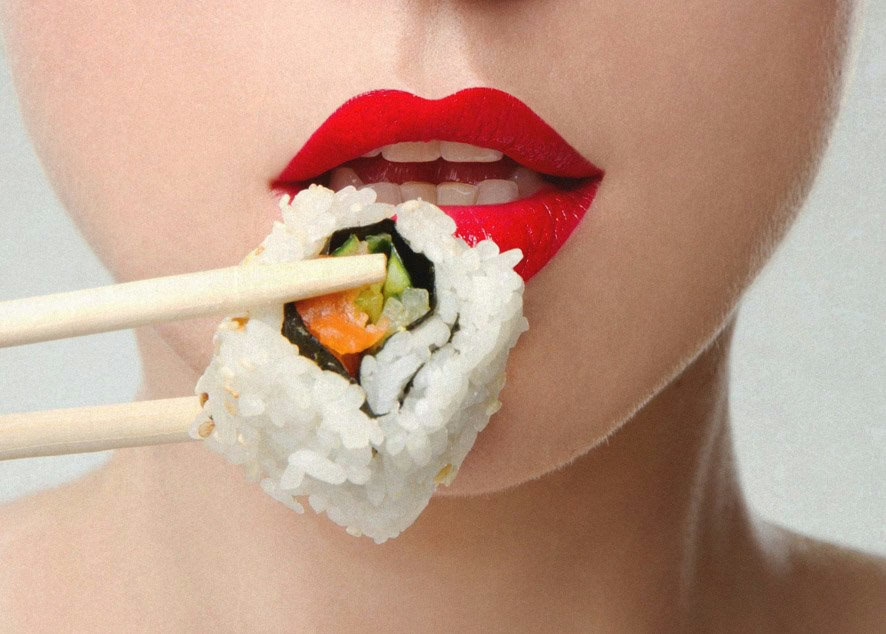
Eat sushi in one bite. This can be challenging given the size, but it’s important to avoid letting the rice fall apart. Start with lighter flavors and gradually move to more intense ones. Chefs usually recommend beginning with white and red fish, then progressing to tuna and eel. Save the sweet rolls for the end of the meal.
Beverages
Although sake is often served with sushi, it’s best not to drink them together since both are made from rice. Instead, green tea is recommended during the meal, while sake can be enjoyed before or after. Ensure the tea is not overly aromatic.
For more insights into Japanese culture and cuisine, you can visit the official website of the Government of Japan.