Karan Soni’s Journey: Crafting a Gay Bollywood Love Story in ‘A Nice Indian Boy’
Karan Soni’s Journey: Crafting a Gay Bollywood Love Story in ‘A Nice Indian Boy’
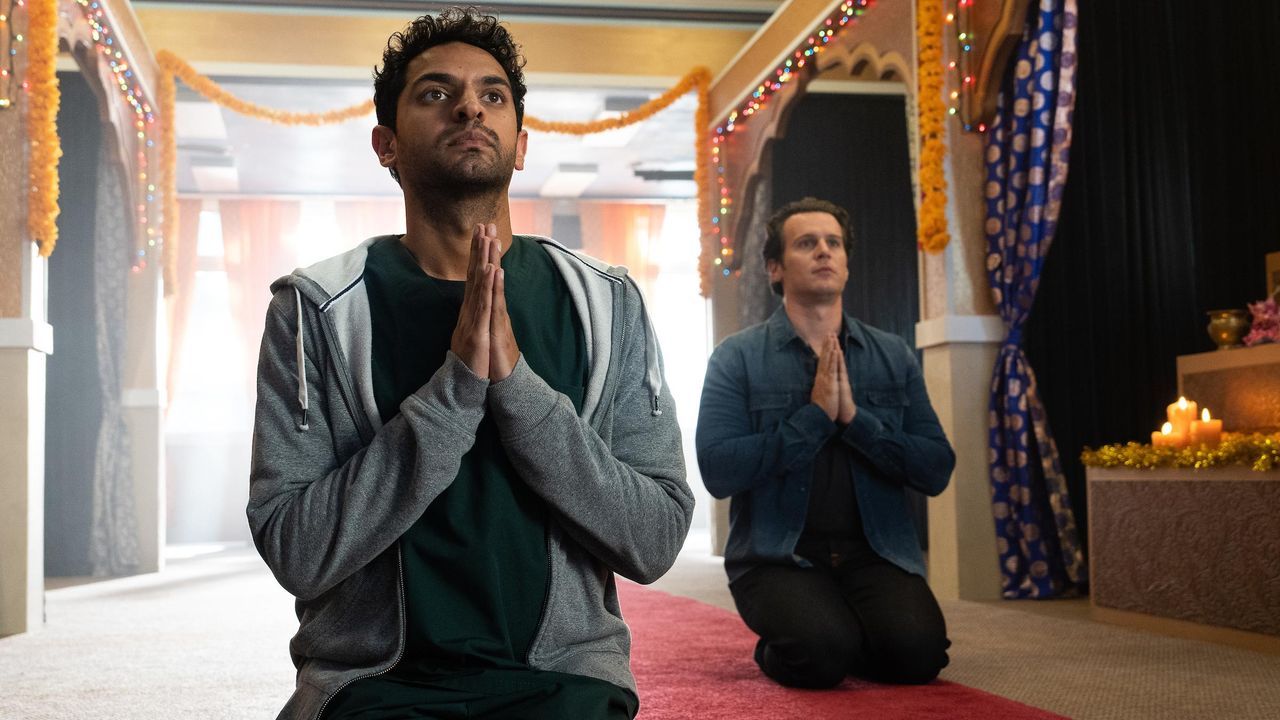
In his critically acclaimed film, A Nice Indian Boy, actor Karan Soni challenges traditional Indian cinema norms and poses a poignant question: Why can’t two gay men have their own version of Dilwale Dulhania Le Jayenge (DDLJ)? This thought-provoking film opens a broader dialogue about brown queerness, desi wedding culture, and the fusion of Bollywood’s grandeur with American storytelling.
The Struggle of Coming Out and Family Acceptance
Soni recalls the complexities of coming out to his parents at 19. “It took my family six or seven months to come around after I told them, but even when they did, they wouldn’t talk about it,” he shares. This experience is at the heart of A Nice Indian Boy, a film exploring the nuances of family acceptance and the ongoing journey of coming out. “Coming out isn’t a one-and-done deal; there are waves,” Soni explains, highlighting the continuous process of acceptance and understanding within families.
A Love Letter to Bollywood
A Nice Indian Boy is more than a film; it’s a love letter to Bollywood. Soni and director Roshan Sethi infused the movie with classic Bollywood elements, from the story structure to iconic songs like ‘Tujhe Dekha To Ye Jana Sanam’. “We wanted to make a Bollywood film in Hollywood,” Soni says, emphasizing the blend of cultural storytelling techniques.
The film follows an Indian boy who brings his white American fiancé to meet his traditional desi parents, leading to chaos and comedy. This narrative entertains and educates audiences about the intersection of brownness and queerness, often overlooked in mainstream cinema.
The Scarcity of Authentic Brown Queer Characters
Despite Hollywood’s progress, authentic brown queer characters remain rare. Soni attributes this to the lack of diversity in writers’ rooms. “When I started in 2010, all the studio execs I knew were white. And that’s only changed a little,” he notes. This scarcity underscores the importance of films like A Nice Indian Boy, which bring much-needed representation to the screen.
The Impact of Cinema on Queer Stigma
While the film has received unanimous praise from critics and a rare 100% rating on Rotten Tomatoes, Soni acknowledges that cinema alone cannot eradicate the stigma of being queer. He recounts a comment from a film festival that deeply affected him: “A man told me, ‘I wish you had made this movie realistic. In real life, I’m not going to get married and my parents won’t come to my wedding.’ It broke my heart.”
This comment highlights the ongoing struggle for acceptance within the South Asian community and the need for more stories reflecting the diverse experiences of queer individuals.
Bringing Bollywood Energy to Hollywood
Soni’s journey in bringing A Nice Indian Boy to life is a testament to the power of storytelling and the importance of representation. By blending Bollywood’s vibrant energy with Hollywood’s narrative techniques, the film offers a unique cinematic experience that resonates with audiences worldwide.
As Soni and Sethi continue to push boundaries and challenge norms, A Nice Indian Boy stands as a beacon of hope for future generations of queer individuals seeking their own happily ever after.
Conclusion
A Nice Indian Boy is not just a film; it’s a movement. It’s a call to action for more diverse and authentic representation in cinema. Through the lens of Karan Soni’s personal experiences and the universal language of love, this film invites audiences to question, understand, and ultimately accept the beautiful complexity of queer love stories. For more information on diverse storytelling, visit GLAAD.