Inside India’s preloved fashion marketplaces, where women trading luxury bags turn into fashion’s new stock scavengers
Inside India’s preloved fashion marketplaces, where women trading luxury bags turn into fashion’s new stock scavengers

Kimaya Banga doesn’t have children, but she does have babies. They’re called Kelly, Lady and Flap. (Unusual, yes, but no more than the average celebrity spawn.) Their first names, if you haven’t guessed? Hermés, Dior and Chanel. “I call my luxury bags my babies,” Banga, 34, tells me fondly. “I clean them, I take care of them, they get to come out of my closet every fifteen days—” I interrupt. “As in, you take them for walks?” Banga is nonplussed. “Yeah, you could put it like that.”
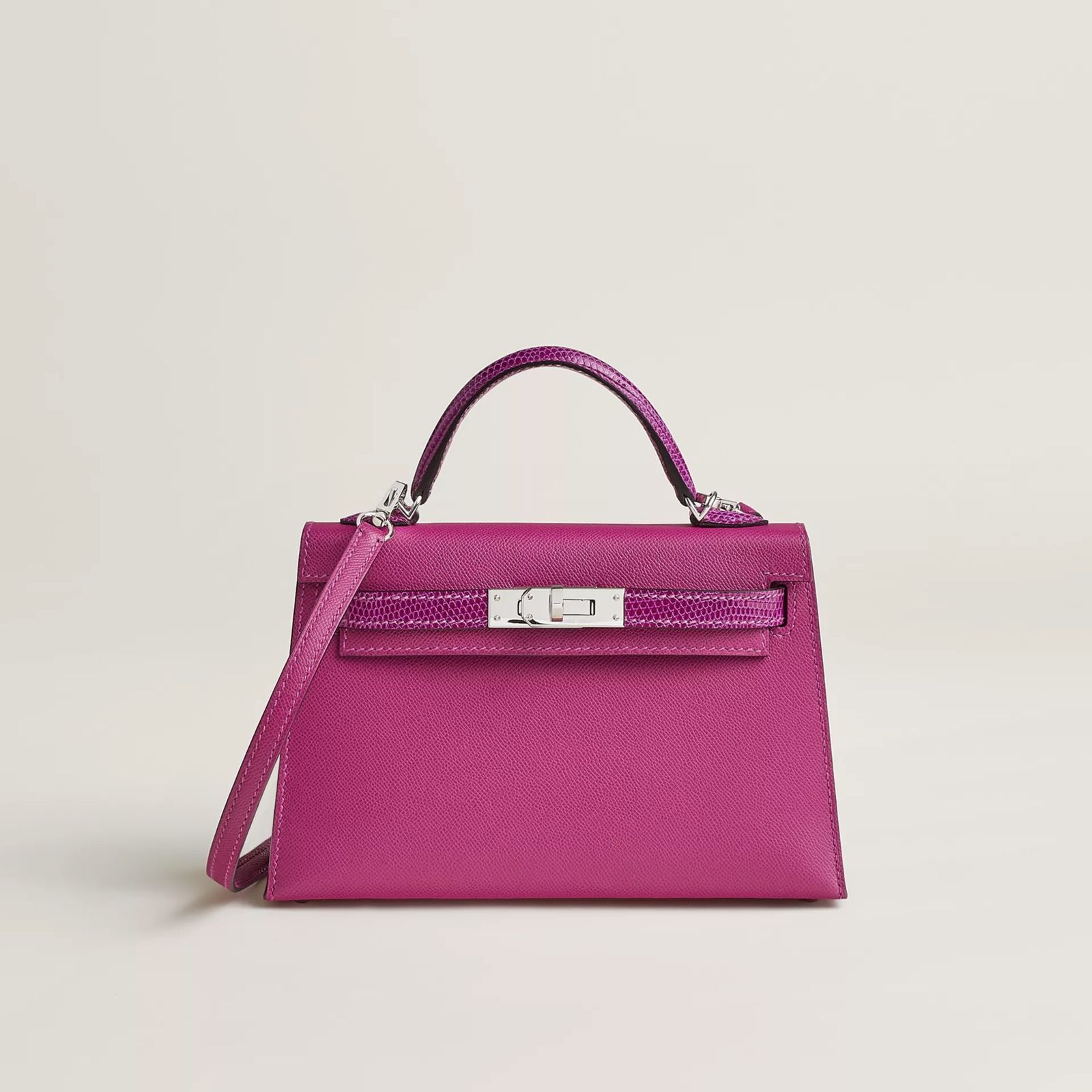
In another sense, though, Banga’s relationship with her luxury bags mirrors more that of a stock trader. She has lost track, really, of the number of bags she’s bought and resold throughout her almost decade-long hobby. “Maybe 50-80?’ she guesses. Eight years ago, she was living in London when she fell for a Fendi Baguette on the global resale marketplace Vestiaire Collective. She stoked the fires of her love for designer vintage from there, picking up a few new (to her) pieces every year. When Banga returned to India, the local vintage designer scene was nascent — but that quickly changed. Now, in 2024, it’s booming, and set to hit ₹ 1,556 million by 2032.
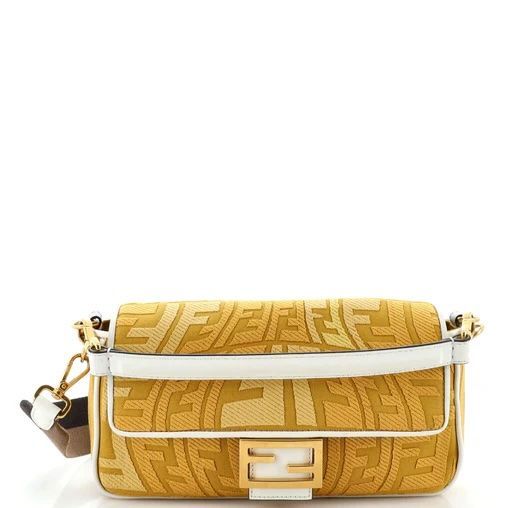
Global platforms like The RealReal are active in India, but many local sellers and buyers profess an inclination towards home-run companies, like Confidential Couture, one of the first players on the market back in 2014, and My Almari, which began in 2023.
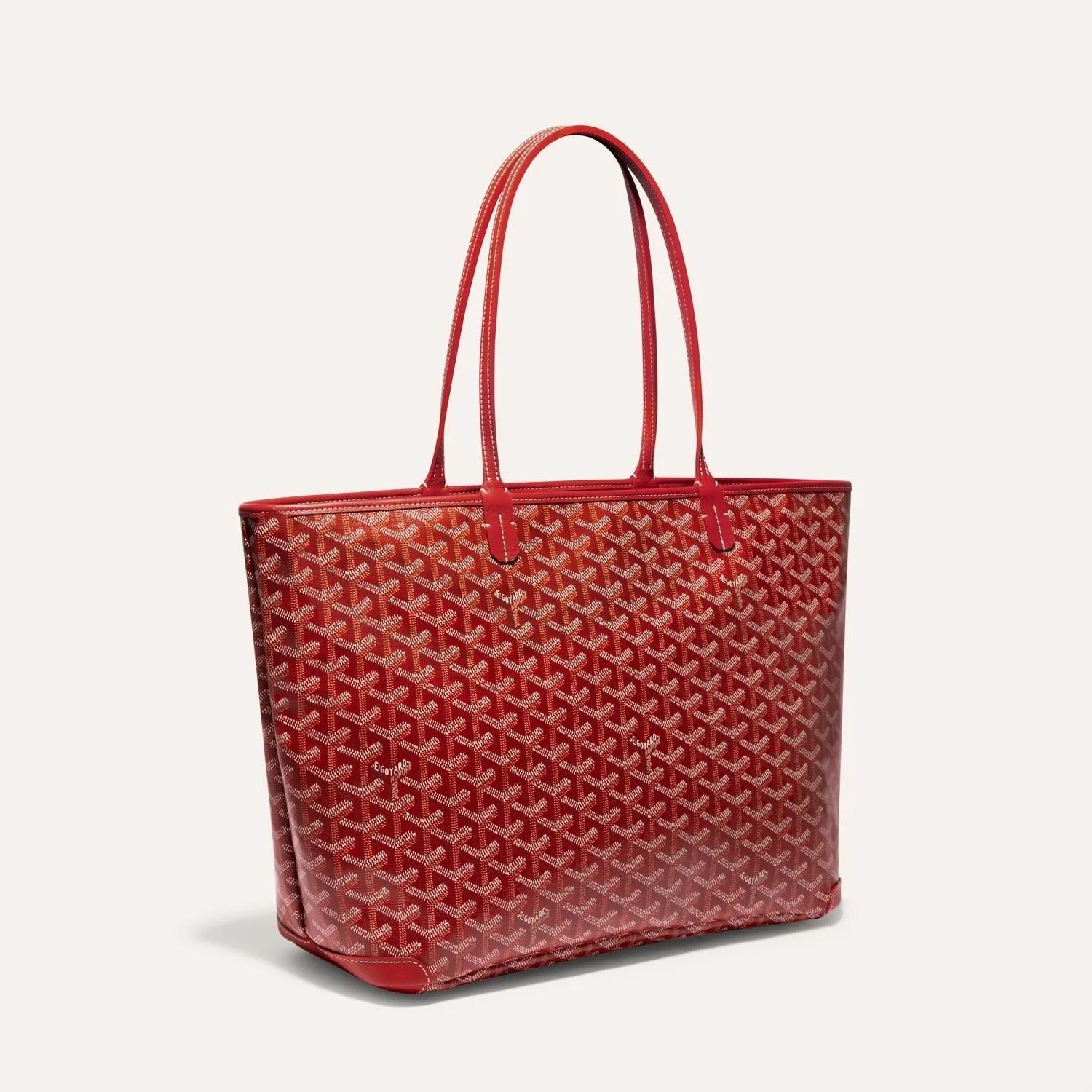
Banga made a purchase on My Almari within a few days of its launching: a coveted, preloved Goyard tote. Goyard doesn’t have a store in India, so her purchase, she explains, was a matter of necessity (if a bag worth ₹ 4,50,000 can ever be put in the same sentence as the word ‘necessity’). Soon, she made her first sale, too.
Like a growing cadre of women staking out luxury resale platforms, Banga has a fluid relationship with most of her designer pieces. She prefers to keep her wardrobe tightly curated, enjoying the pieces she loves for a season or two before reselling them to make space for the next hot commodity. “You grow out of a style, you grow out of a fashion. Trends change every three or four years, right? If I haven’t used something for six to nine months, I sell it. Period.”
She’s not the only one. In RealReal’s latest Luxury Resale Report, the global platform found that, around the world, dabbling in the resale market the same way some might scour stock markets is gaining momentum. Young women, particularly, are catching on to the ability to upgrade their wardrobes within the minute, swapping out well-loved pieces for the hot new thing. It found that Gen X resells the most, while Gen Z resells the fastest. The latter reconsigned 52% more than in previous years, especially in the women’s category.
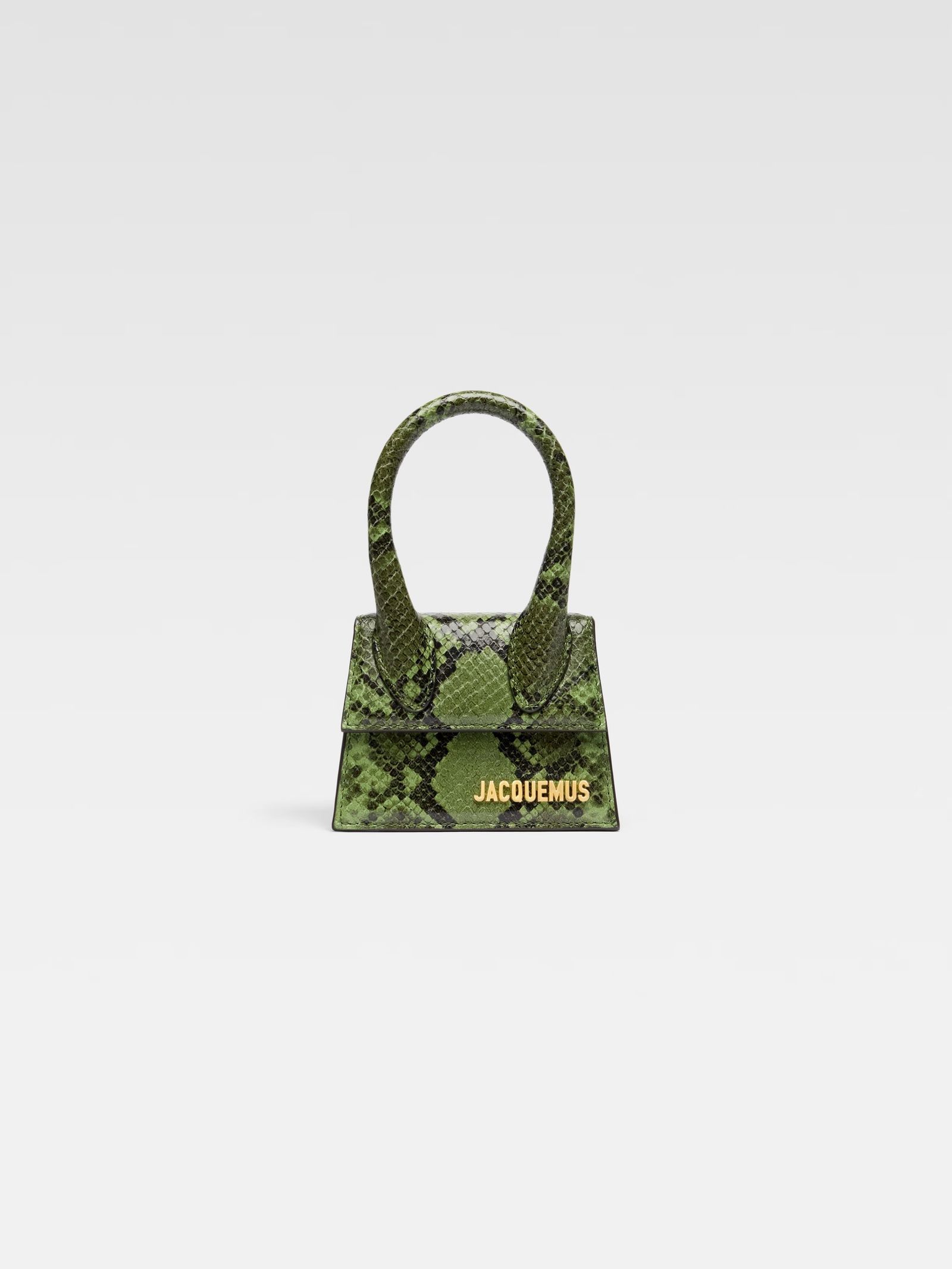
Within her circles, people are “heavily buying and reselling,” observes Mumbai-based Tanisha Arora, a 22-year-old fashion student who confesses her propensity to form “real, emotional connections” with designer bags. But while she may fall for a piece quickly, thanks to resale platforms like MyAlmari, Arora can decide whether it’s a long-term love or just a fling. Two years ago, at the peak of fashion’s obsession with ultra-mini bags, she was head over heels for Jacquemus’s Chiquito bag, probably the trend’s pack leader. “It was a fast purchase,” she admits. “It was so cute. But then, I thought… it’s not very classic, it’s not something I want to be handing down to the next generation, you know?” So she simply sold it on. For Arora, the platforms offer a safety net — if a trend fades, she can quickly offload her decision and move on to the next. “It’s great for impulsive buyers like me, who sometimes regret their purchases quickly,” she laughs.
Nimisha Behl, a 34-year-old finance professional from New Delhi, takes a more calculated approach. She buys with future value in mind—for her, like for a growing niche of sellers, luxury bags are more than just an accessory, they’re part of a carefully curated portfolio. By tracking market trends and resale values, she decides when to sell and when to hold, much like any investor managing a stock portfolio. “It’s nice to see how acceptable this whole concept has become in India,” she reflects. In a 2022 report by Credit Suisse, the financial consulting company named handbags one of the best collectible investments for 2023 (over art and jewellery) when it came to resale value. Behl has been encouraging those around her to see the value of designer vintage. “My friends and family, they know I sell things,” says Behl. “They come to me for advice [on luxury pieces]. They want to know if it’ll be worth anything in the future.”
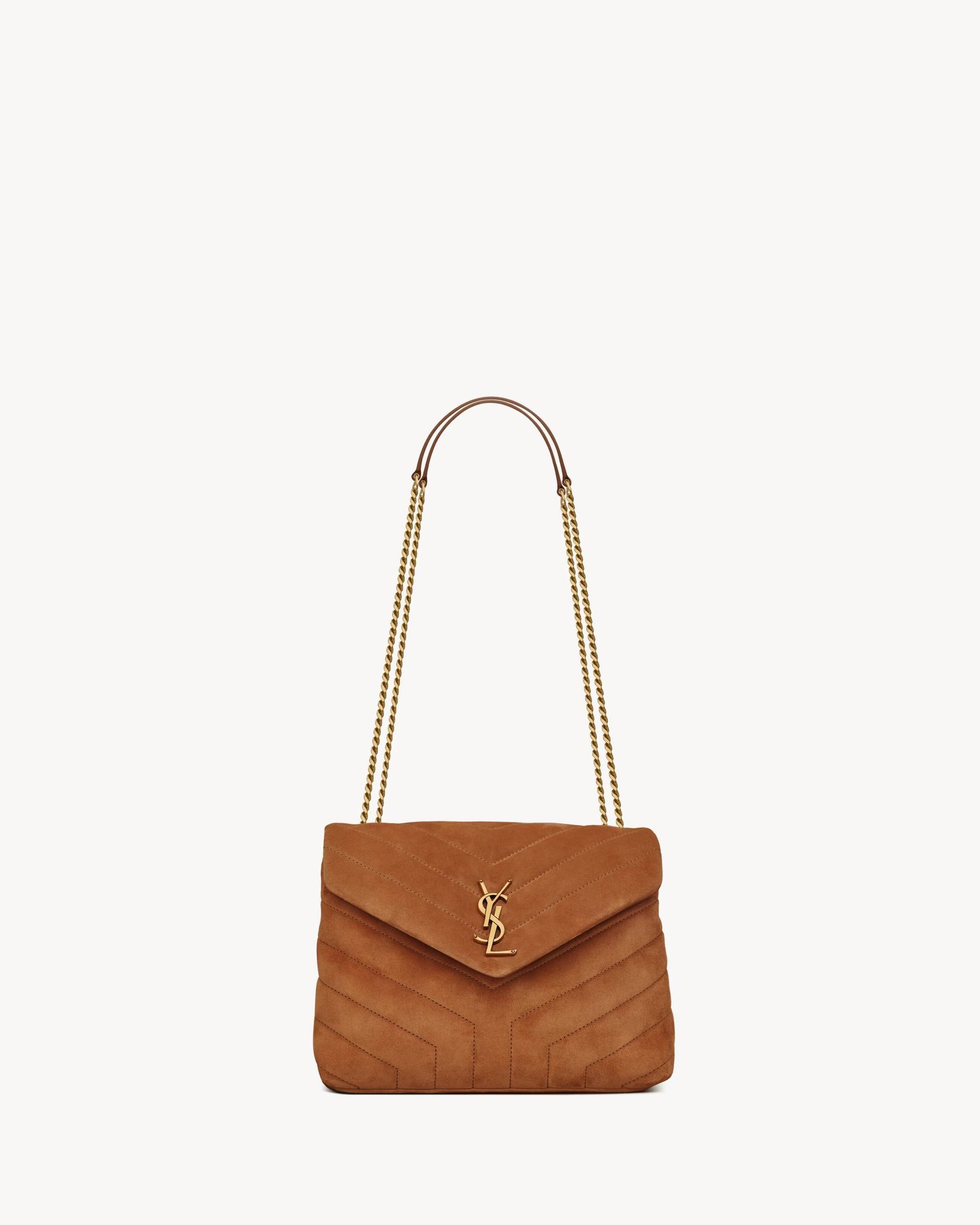
While Behl has sold and resold many vintage pieces, not all are so easy to get rid of. She picked up a classic Saint Laurent Loulou in Paris recently, and it’s turned out to have quite the hold on her. She sighs. “I bought it thinking I would sell it eventually. But I haven’t been able to bring myself to.” At least, I suggest, that’s the beauty of an investment like a Loulou. If you can’t reap its rewards in cold cash, you know it’ll always look beautiful swinging on your arm (You can’t say that about a share certificate.)
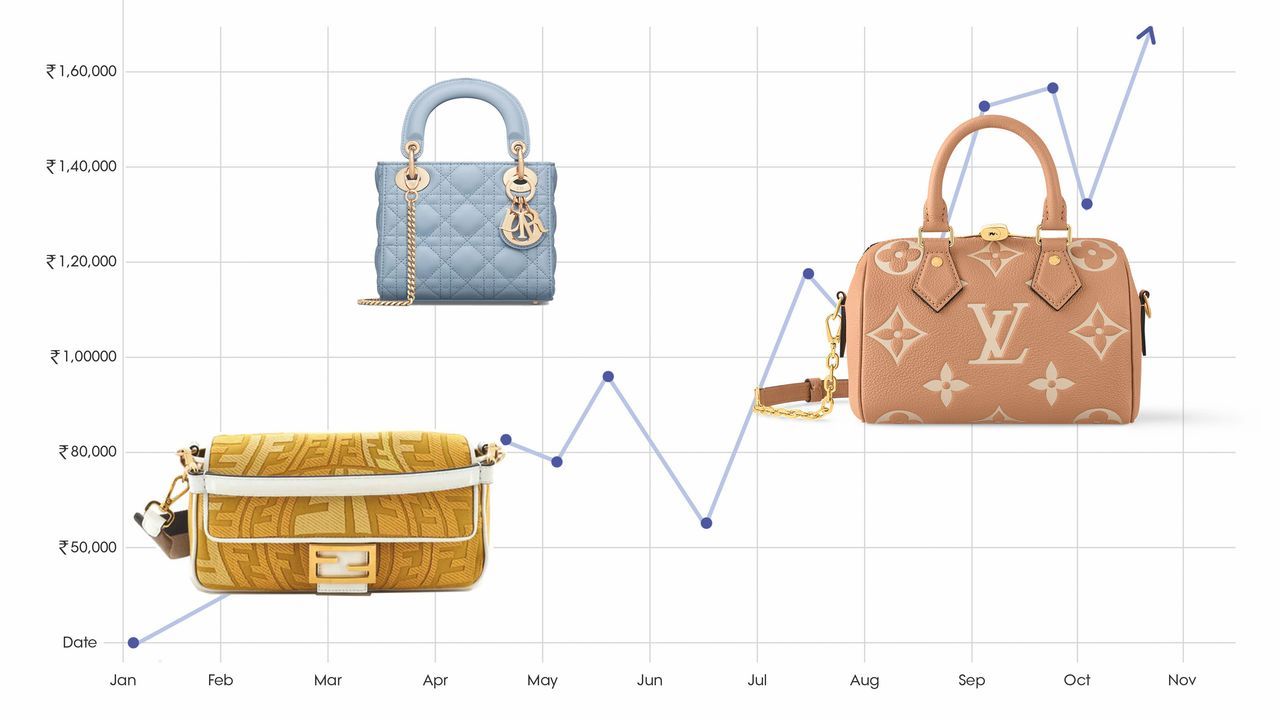
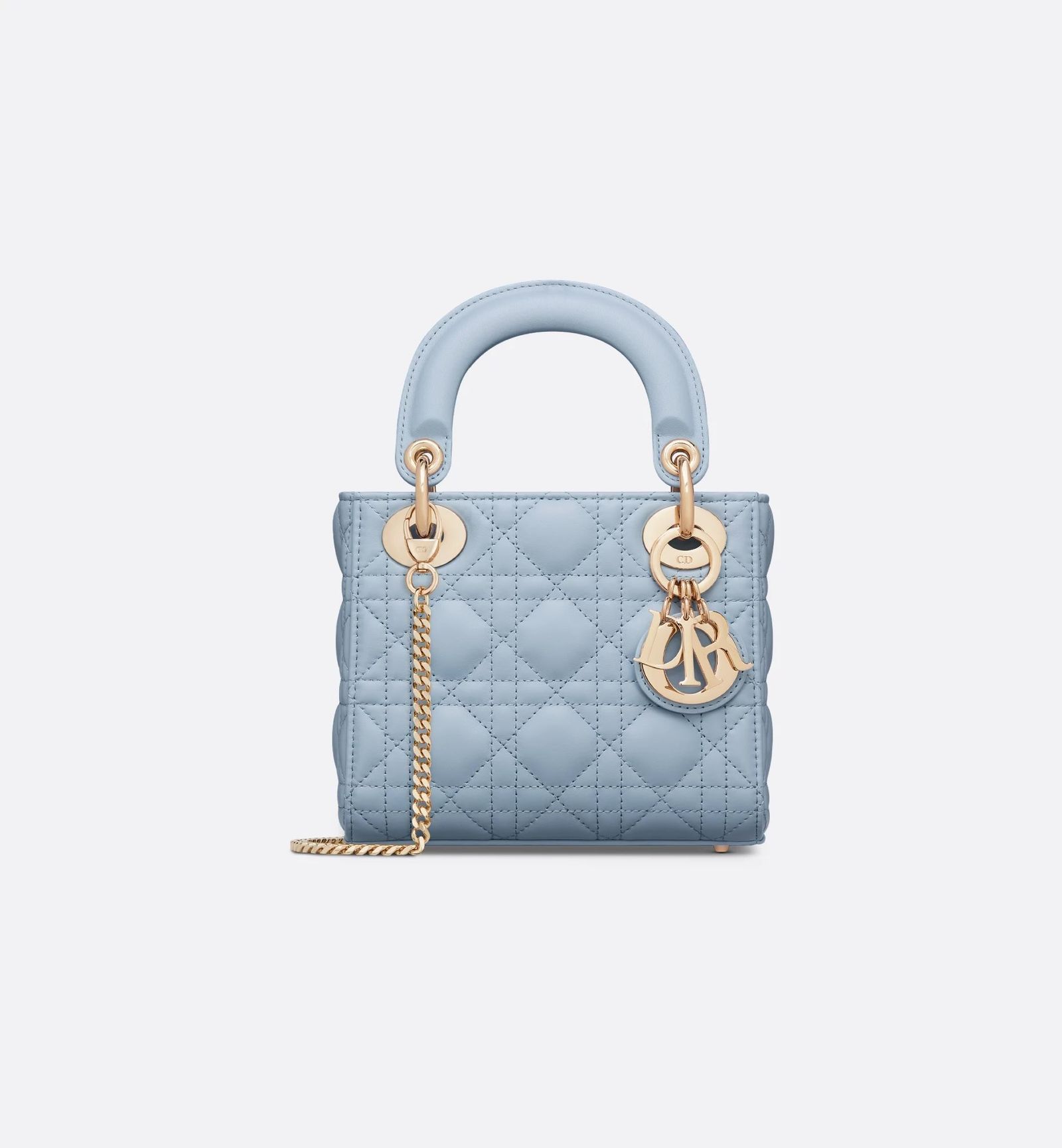
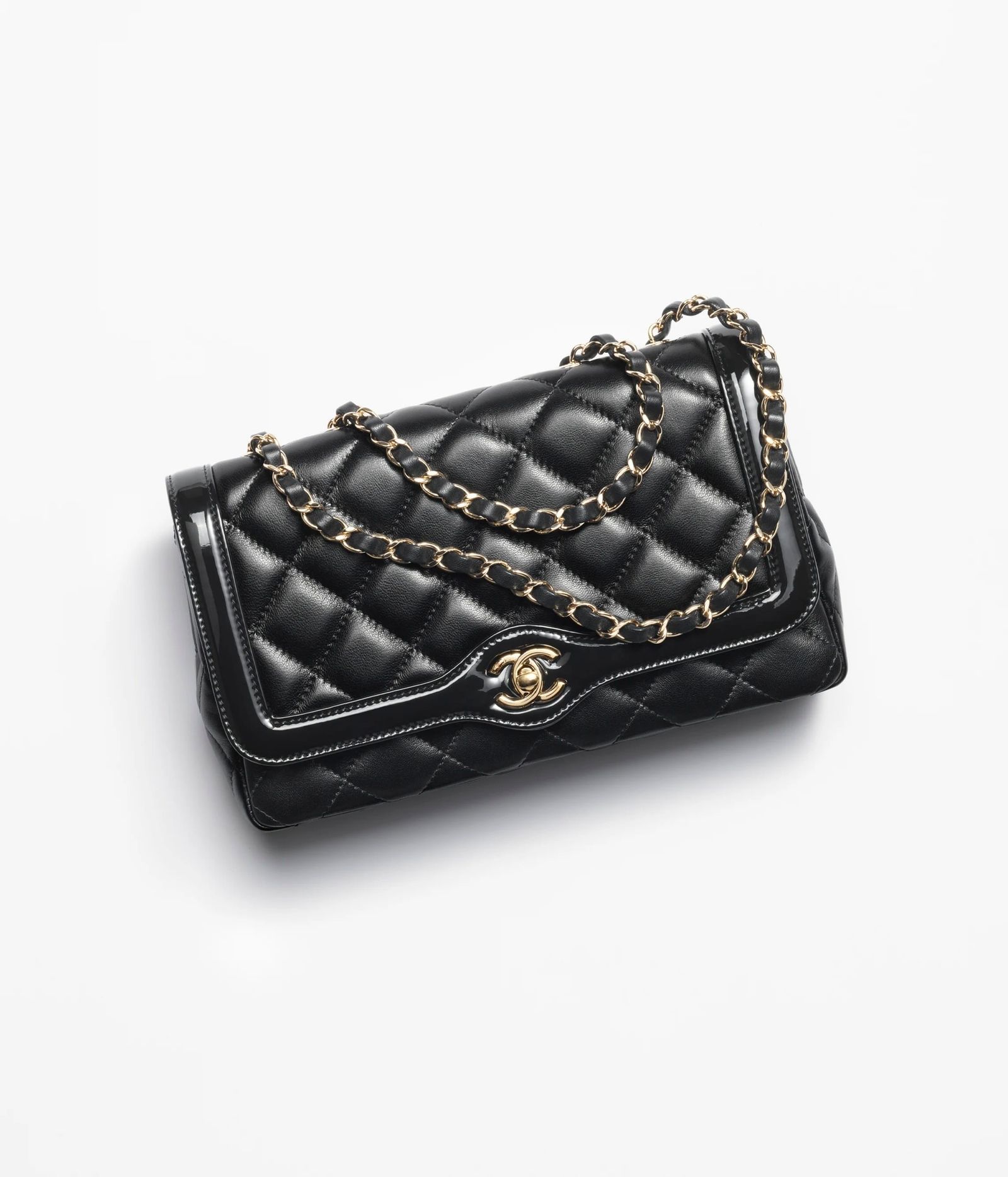
Luxury brands who regularly hike their prices every six months don’t hurt buyers and sellers who want to hold on to a piece for a little longer, either. Banga’s Chanel Flap bag, bought for approximately two lakhs in 2016, now retails for nearly five lakhs. She’s hesitant to sell it, but when she does, it’ll likely turn a handsome profit. She has recently thrown another valuable piece back into the luxury resale sea, though. “I bought a mini Lady Dior in 2019 from Paris, which cost ₹ 1,20,000, and I recently sold it for around three lakhs,” Banga explains. “I wasn’t really using it anyway — so I made a good profit out of it.”
Crucially, the ability to sell and resell pieces comes down to the platforms that can ease or add friction to the resale experience — the most successful have serious vetting for authenticity and provide a good customer experience, both on the seller’s and buyer’s side. Resale platforms like My Almari function like zippy trading markets, where savvy buyers and sellers monitor prices, waiting for the perfect moment to make their move. So if the mini-bag trend happens to come back around? You can be sure they’ll be on the pulse.
Also read:
Level up your festive season style with gota, gold and brocade pieces
This Indian designer left work at Celine and Maison Margiela to make kantha jackets
I was convinced my wardrobe was bringing me luck. Here’s how it changed my life