Hyaluronic Acid: The Must-Have Skincare Ingredient of the New Generation

Who Needs It and How Does It Work?
In recent years, cosmetic products containing hyaluronic acid have become a true must-have in facial skincare. This substance is added not only to beauty injections designed to combat wrinkles and skin aging but also to jarred skincare products, decorative cosmetics, and products for hair and nails. What is this magical ingredient, how does it work, and when should it be included in your skincare routine? Let’s explore these questions with insights from dermatologist Svetlana Yakubovskaya.
What is Hyaluronic Acid?
Hyaluronic acid is an essential component of our body, with 50% of this substance concentrated in the skin. It is naturally produced in the body and is the main moisturizer for the skin.
Chemically, hyaluronic acid belongs to the class of glycosaminoglycans. These chemicals can hold a significant amount of water due to their structure, which is necessary for the normal functioning of the entire body, including the beauty and youthfulness of the skin.
Hyaluronic acid plays a crucial role in our body. It is extremely important for cell hydration and improving overall cell metabolism, as well as for effective skin restoration.
Additionally, it has antioxidant properties, meaning it can counteract the formation of free radicals that damage the skin and activate aging processes. This is especially relevant for the negative effects of the sun on the skin.
Although hyaluronic acid is called an acid, it does not exfoliate the skin like other acids such as glycolic or salicylic acid. Its main function is to retain moisture due to its unique structure and large molecular weight.
Hyaluronic acid was first isolated by John Palmer and Karl Meyer in 1934 from the vitreous body of a cow’s eye. Hence, it was named from the Greek words “hyalos” (vitreous) and “uronic acid.”
Hyaluronic acid has many names: hyaluronan, sodium hyaluronate, hyaluron, HA.
1 gram of hyaluronic acid can hold up to 6 liters of water, providing excellent skin hydration!
Why Do We Need External Hyaluronic Acid?
Up to the age of 25, hyaluronic acid performs its functions perfectly. However, as we age, the production of this acid slows down. As a result, the skin begins to age: it becomes dry, flaccid, and dull, and fine wrinkles appear. This is where external hyaluronic acid comes in handy.
By the way, there is another theory that with age, there is not a decrease in the synthesis and amount of hyaluronic acid in the body, but rather a redistribution. However, this theory has not yet been scientifically confirmed.
What Affects the Production of Hyaluronic Acid?
The intensity of hyaluronic acid production is primarily influenced by age. But that’s not all!
Want to boost hyaluronic acid production? Then maintain a proper drinking regimen, get enough sleep, and eat a healthy diet. Start your morning not with coffee, but with a glass of warm water with lemon. Eat less fast food, sweets, fried, salty, and spicy foods.
Try to include antioxidant-rich foods in your diet: vegetables (pumpkin, carrots, beets, broccoli, asparagus), fish, fruits (citrus fruits, kiwi, apples), natural cold-pressed oils, superfoods (sesame, goji berries, quinoa), and greens (parsley, dill, arugula).
How to Choose the Right Cream with Hyaluronic Acid?
You don’t necessarily need to look for a cream where hyaluronic acid is at the top of the ingredient list. It can work effectively even in small concentrations. With age, there is no recommendation to increase the amount or percentage of this component. It should simply be included in anti-aging products.
In addition to hyaluronic acid, the cream should contain occlusive components that “lock in” moisture, such as petroleum jelly, cetyl alcohol, lecithin, etc. Other moisturizing components like aloe vera, urea, glycerin, etc., are also beneficial.
At What Age Should You Start Using Hyaluronic Acid Cream?
Hyaluronic acid should definitely be present in daily skincare creams after the age of 35-40, as the processes of skin renewal and hydration begin to slow down significantly during this time. However, this does not mean that hyaluronic acid products should not be used before the age of 35.
For women with dry skin, it is necessary at any age, and for oily and normal skin, it is recommended in cases of excessive dryness, which is often observed with exposure to dry air in the autumn-winter period, a large number of exhaust gases in large cities, and simply incorrect care. This is especially true for oily skin, which is often tried to be dried out and, as a result, overdried.
It is very important to follow some rules when using hyaluronic acid cream. If your product has a gel texture, do not apply it immediately before going outside in cold weather. This can play a cruel trick on your skin. It is best to do this in advance, at least 30-40 minutes before leaving the house.
Remember that hyaluronic acid creams should be used regularly to provide full skin hydration. Otherwise, you should not expect any effect.
Will Hyaluronic Acid Cream Help with Wrinkles?
The work of hyaluronic acid as a component is based on its ability to retain moisture. And we know that if there is not enough of it, the skin will become dehydrated and dry, and subsequently, wrinkles will appear on it.
Of course, a cream with hyaluronic acid cannot smooth out deep wrinkles. But preventing their deepening and the appearance of new ones is quite realistic!
In addition, hyaluronic acid increases skin firmness and has the ability to soothe and relieve irritation, which is also important for skin beauty.
Are There Other Skincare Products with Hyaluronic Acid and How to Use Them?
Serums with hyaluronic acid work excellently. Such cosmetic products should be used in courses of 1-2 months, especially if the skin has been exposed to adverse factors for a long time (after a beach vacation, during the heating season, etc.).
Apply the serum to your face in the evening. And to enhance the effect, you can “seal” the skin with a moisturizing cream 2-3 minutes after application. For very dry skin, serums can also be used in the morning skincare routine.
Masks with hyaluronic acid, especially fabric ones, are no less effective. They are great when you need to give your skin a fresh look in a short time. After the procedure, gently pat the remaining product with your fingertips and leave it on overnight.
A toner with hyaluronic acid is not the most crucial step in facial care, but for dehydrated or dry skin, it is precisely what will help “quench” the skin with moisture. Of course, it should not contain alcohol. Apply it 1-2 times a day after cleansing the skin and before applying day/night cream.
Is It Worth Buying Decorative Cosmetics with Hyaluronic Acid?
Yes! Pay attention to lipsticks with hyaluronic acid for additional hydration, as well as foundation products, primers, and even eyeshadows.
What Procedures with Hyaluronic Acid Are Available in Modern Cosmetology?
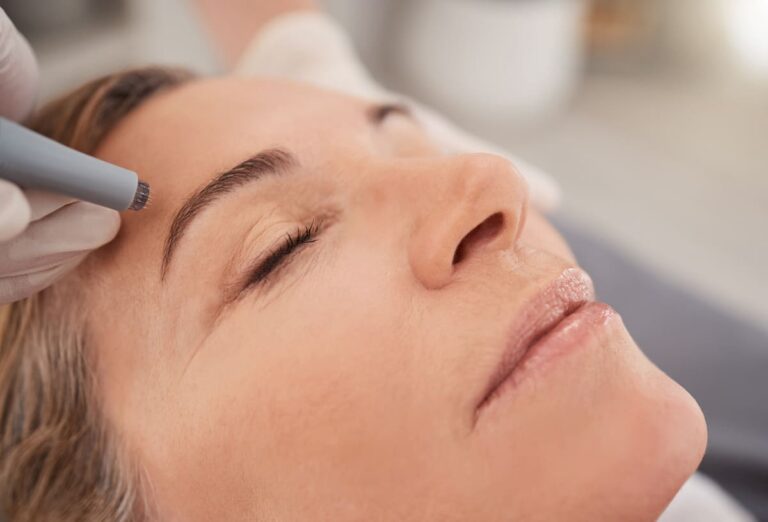
These are primarily injection methods that are used with great success. In particular, the biorevitalization procedure, which involves injecting high-concentration hyaluronic acid into the skin. This provides maximum skin hydration, including for more severe skin issues.