How Nighttime Scrolling Affects Your Sleep Quality: Insights from Experts
How Nighttime Scrolling Affects Your Sleep Quality: Insights from Experts
Scrolling through social media before bed has become a common nighttime ritual for many. We turn to platforms like TikTok or Instagram to unwind, distract ourselves, and relax. However, this seemingly harmless habit often comes with a nagging thought: “Put down your smartphone; it’s affecting your sleep!” But how accurate is this statement? Is the impact of nighttime scrolling on sleep really that critical? Let’s delve into what experts have to say about this issue.
The Truth About Blue Light: Harmful or Just a Myth?
Viewing content on a bright screen can indeed slow down the process of falling asleep. However, the notion that this habit is extremely harmful is somewhat exaggerated, according to Stuart Peirson, a professor at the University of Oxford. Peirson emphasizes that sleep is a complex process, and it’s incorrect to attribute insomnia solely to the influence of blue light.
Understanding Blue Light
Let’s recall some basic physics. Light of any color is a form of radiation. Together, all light waves form a spectrum, a portion of which is visible to humans. Blue light is also part of this visible spectrum. The sun is the largest natural source of blue light, which is why this type of radiation is often associated with circadian rhythms. Artificial sources of blue light include mobile devices, televisions, monitors, and fluorescent lamps.
According to Peirson, the visual receptors responsible for circadian rhythms are sensitive to radiation of any color. This suggests that blue light affects sleep in the same way as red or yellow light, and the question of harm depends solely on the intensity. The flicker of a mobile screen is a thousand times weaker than daylight, and even the latter does not always prevent us from falling asleep.
The Duration of Nighttime Scrolling
The time spent on social media can delay the production of melatonin, but only briefly. According to research from Harvard University, four hours of scrolling at full screen brightness delays the onset of sleep by only 10 minutes, as reported by The Guardian.
Blue Light and Vision
According to retinologist Stanislav Saksanov, there is no scientific evidence to suggest that blue light is harmful to the eyes. “Eye strain from working on a monitor is very rarely related to visual load and never to blue light,” notes the doctor. However, the specialist admits that excessive phone use can disrupt sleep patterns. The flicker of the screen acts as a “drip” of daylight, which naturally signals the body to stay awake. But, as mentioned earlier, this effect is minimal for those with healthy sleep patterns.
How Nighttime Scrolling Affects Mental Health
The quality of sleep depends not so much on the light from the screen as on the information conveyed by the endless stream of content. Scrolling can evoke strong emotions, as any content is designed to capture attention. Prolonged use of social media can lead to overstimulation, making a person scattered, irritable, and overwhelmed by “fast” impressions.
Psychologist Yevgenia Streletskaya describes this problem. She believes that uncontrolled pleasure-seeking, which includes scrolling, critically reduces dopamine levels. A lack of this hormone leads to anxiety and a lack of motivation, which are clearly linked to poor sleep.
Moreover, constant scrolling can lead to destructive self-criticism, which also does not contribute to healthy sleep. On social media, we see the “perfect” lives of others instead of fully experiencing our own. As a result, a person falls asleep with negative thoughts and wakes up with uncertainty about starting a new day.
To Scroll or Not to Scroll?
The arguments mentioned above do not mean that you should completely give up scrolling before bed. You just need to control the time spent on social media. It is especially important to avoid excessive content consumption if:
- Reading the news evokes strong emotions;
- The content is so engaging that you lose track of time;
- You suffer from chronic insomnia.
Expert Recommendations for Improving Sleep Quality
Healthy sleep requires regularity and patience, according to expert Stephanie Romiszewski. In a conversation with Dr. Karan Rajan, she notes that a person should maintain a consistent wake-up schedule, regardless of the time they fall asleep. In other words, you can go to bed when you truly feel tired, but you should wake up at the same time every day.
After a couple of weeks, you will notice that your sleepiness has become more controlled, Romiszewski assures. The expert also notes that the more we give in to the temptation to extend our morning sleep, the more we deceive our subconscious. Over time, the brain begins to mistakenly perceive drowsiness as an urgent need, which disrupts circadian rhythms.
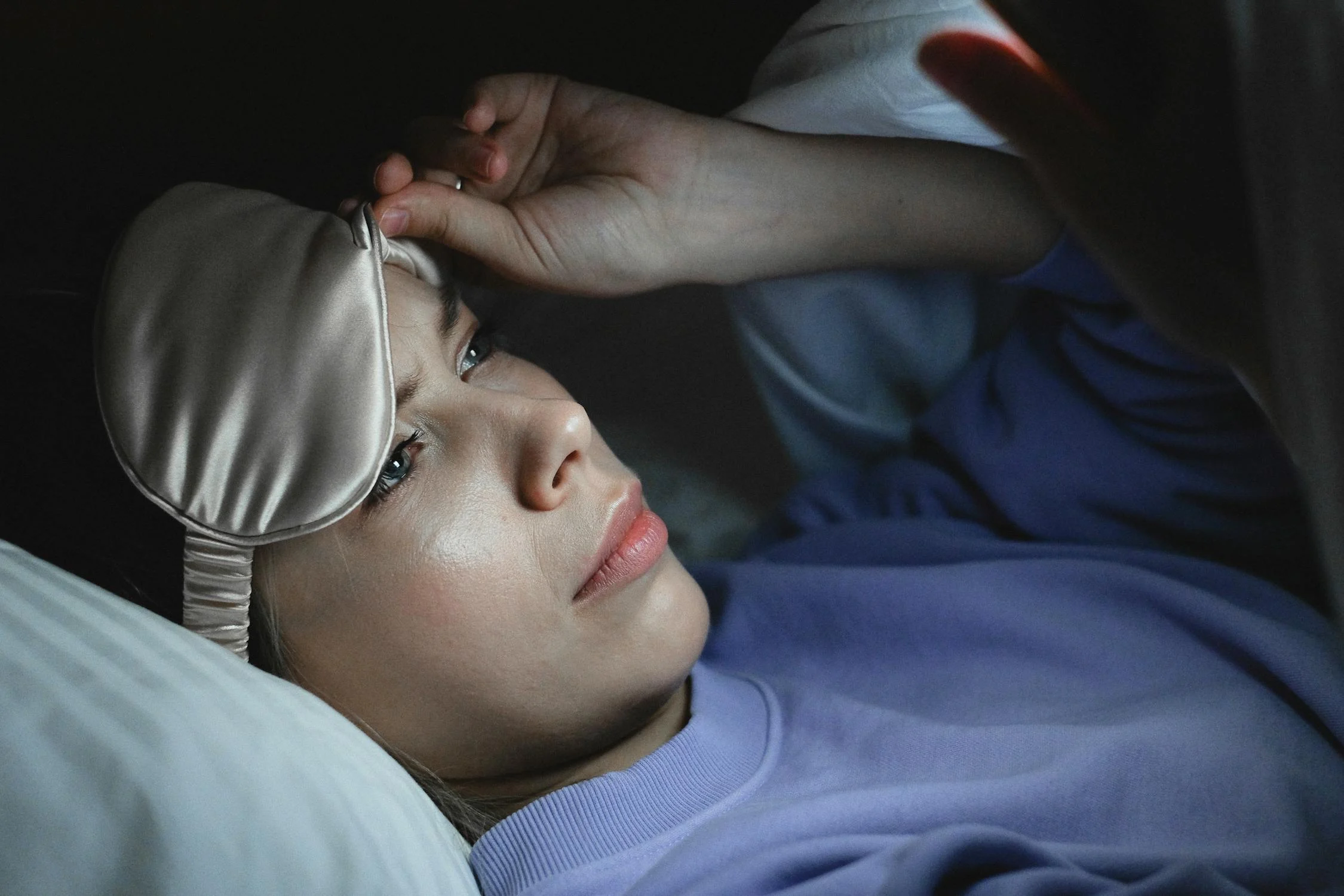
According to Romiszewski, one of the main conditions for quality sleep is darkness. Even if you have to sleep during the day, use any methods to reduce the level of lighting—use blackout curtains, wear an eye mask, etc. Obviously, a full rest is only possible in comfort. Make your sleeping place as comfortable as possible in terms of tactile sensations, humidity, and temperature.
Vigour and a good mood depend not only on waking up correctly but also on falling asleep properly. Distract yourself from the social media feed and focus more on your own feelings—this will help improve your night’s rest.