How Feminist Fashion Trends Transformed Today’s Workwear
How Feminist Fashion Trends Transformed Today’s Workwear
Picture a modern woman’s work attire, and you’ll likely envision jeans, blazers, blouses, and skirts. These trendy pieces, now staples in any wardrobe, have come a long way to become office classics. Let’s delve into the feminist fashion trends, starting from the 1970s, that have significantly impacted the lives of working women, both past and present.
The 1960s: The Mini Skirt Revolution
The 1960s was a decade marked by monumental events such as the pacifist movement, nuclear safety concerns, tragic assassinations, and the fight for civil rights. Amidst these, the women’s liberation movement introduced birth control pills and several fashion trends that embodied a newfound freedom for women.
The mini skirt quickly became a wardrobe essential, paired with layered skirts, and transitioned from evening wear to everyday attire. When combined with strict collars and feminine blouses, the mini skirt became a creative office outfit. Today, the mini skirt remains a versatile piece, available in various styles, fabrics, and prints that fit seamlessly into any modern dress code.
The 1970s: The Rise of Androgynous Style
The 1970s saw the rise of glam rock and the blending of male and female styles in mass culture, leading to the popularity of androgynous fashion. Pants, once taboo for women especially in the workplace, became not only acceptable but also fashionable. This gender-neutral approach gave rise to masculine suits popular in office environments.
Blazers, wide-leg trousers, and loose-fitting shirts changed the perception of women’s fashion forever. This trend expanded the boundaries of the fashion industry and helped women fight for workplace equality, enabling them to occupy positions previously held only by men.
Today, the androgynous style remains one of the hottest trends, reflecting society’s progress towards equality. Fashion is evolving alongside societal changes, with dress code reforms and clothing innovations advancing both the fashion industry and collective consciousness.
The 1980s: The Power of Shoulder Pads
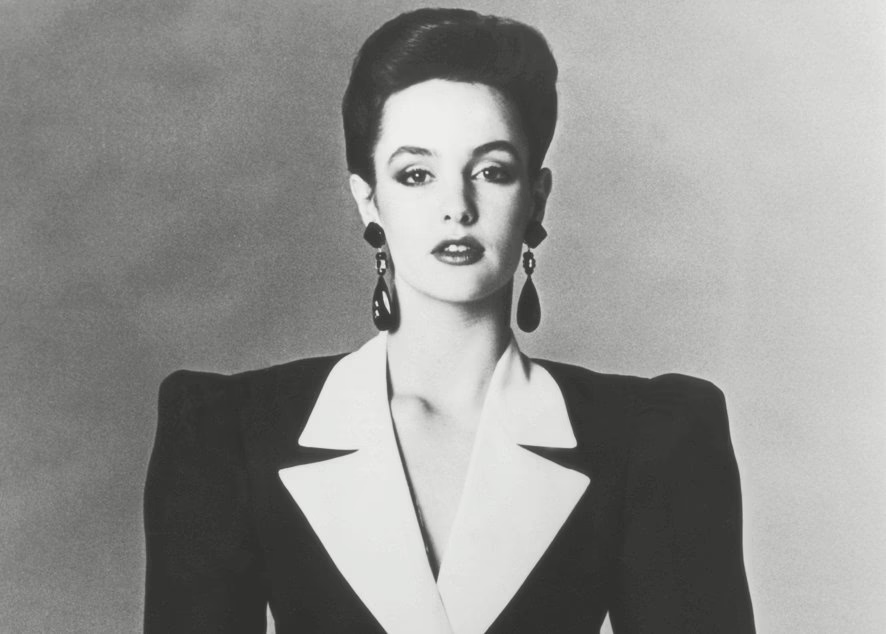
As women began to occupy more responsible positions in the workplace, power dressing became a foundational trend that changed fashion for decades. In the 1980s, the key element in business women’s clothing was shoulder pads made of paralon, which added volume and conveyed a more business-like image.
Shoulder pads helped create a more masculine and respectable female silhouette, paving the way for wardrobe elements such as jackets and women’s suits. This allowed women to stand on equal footing with men in the workplace.
Today, while shoulder pads have gone out of fashion, more feminine styles are in vogue, even in power dressing. Fitted jackets, high-waisted trousers, belts, and softer shoulders are now preferred, reflecting the ongoing evolution of women’s fashion in the workplace.