Hemorrhoids: An Ancient Ailment in Modern Times
Hemorrhoids: An Ancient Ailment in Modern Times
There are vascular diseases that come with progress and changes in lifestyle. Unlike varicose veins, which we discussed earlier, hemorrhoids have been known since ancient times. Even Hippocrates taught his students about its treatment. It’s safe to say that hemorrhoids have existed as long as humans have. However, progress has also affected this condition. Dr. Dmitri Kress, an angiosurgeon, answers questions about hemorrhoids.
How Serious Is It?
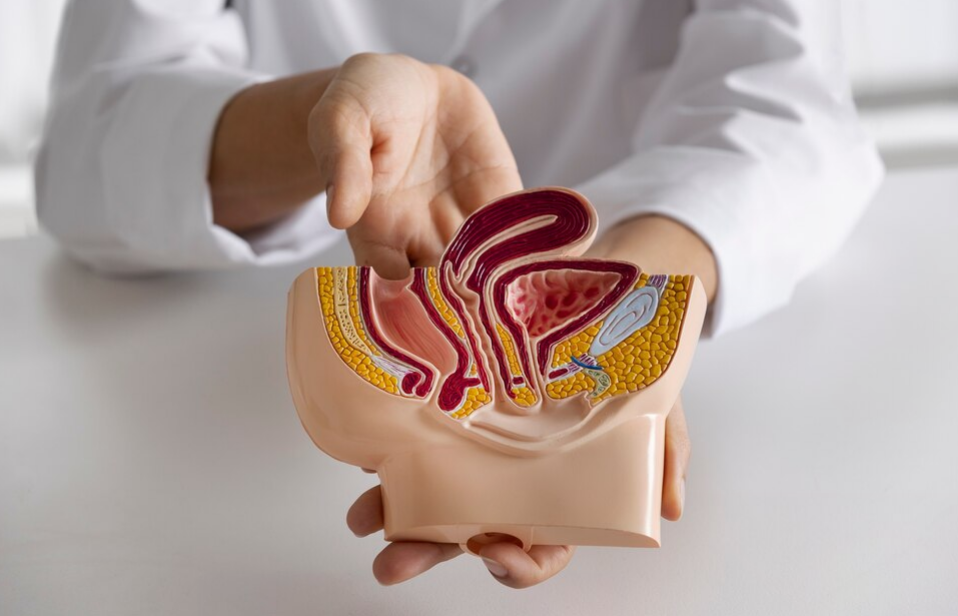
According to various sources, 10 to 15 percent of the adult population suffers from hemorrhoids. This is a serious and insidious disease that can sometimes become life-threatening. To understand its causes and nature, and to know how to identify and treat it, we need to delve into anatomy. In the terminal part of the rectum, at the border with the anal canal, there is a zone of vascular plexus very close to the mucous membrane. This plexus is called hemorrhoidal. The hemorrhoidal vascular plexus is a normal anatomical structure that everyone has, and its function is crucial: it helps seal the anus, retaining fecal matter and gases, and preventing their involuntary release. However, several factors can negatively affect this normal anatomical structure, leading to the dilation of vascular walls, inflammation, and thrombi. These three elements—dilation of the walls, inflammation, and thrombi—constitute the disease we call hemorrhoids. Its manifestations can vary, and pathological conditions can differ among patients.
Acute or Chronic?
Most often, when we talk about hemorrhoids, we refer to the presence of vascular protrusions, or