Heel Pain Relief: Causes, Symptoms & Effective Treatments
Why Your Heels Hurt and How to Find Lasting Relief
Few things derail an active lifestyle faster than persistent heel pain. Whether it’s a sharp stab with your first steps in the morning or a dull ache after a long day, heel discomfort can make even simple tasks feel like a marathon. The good news? Most causes of heel pain are treatable—and often preventable—with the right approach.
From overuse injuries to structural issues, heel pain can stem from a variety of conditions. While rest is usually the first step toward recovery, targeted treatments like stretching, icing, and proper footwear can speed up healing. In severe cases, medical interventions may be necessary. Below, we break down the most common culprits behind heel pain and the best ways to address them.
7 Common Causes of Heel Pain (And How to Fix Them)
1. Plantar Fasciitis: The Most Common Culprit
The plantar fascia is a thick band of tissue that runs along the bottom of your foot, connecting your heel to your toes. It acts like a natural shock absorber, supporting your arch with every step. When this ligament becomes inflamed—often due to repetitive strain—it leads to plantar fasciitis, the leading cause of heel pain.
You’ll typically feel a sharp, stabbing pain near the heel, especially in the morning or after long periods of rest. The discomfort may ease after a few steps but can return after prolonged standing or activity.
What Causes It?
- High arches or flat feet, which alter how weight is distributed
- Long hours on your feet (common in jobs like nursing or retail)
- Excess weight, which adds pressure to the plantar fascia
- Sudden increases in physical activity, like ramping up your running routine
How to Treat It
- Rest: Avoid high-impact activities for 1–2 weeks to allow the tissue to heal.
- Ice: Apply an ice pack to the heel for 15–20 minutes, 2–3 times a day, to reduce inflammation.
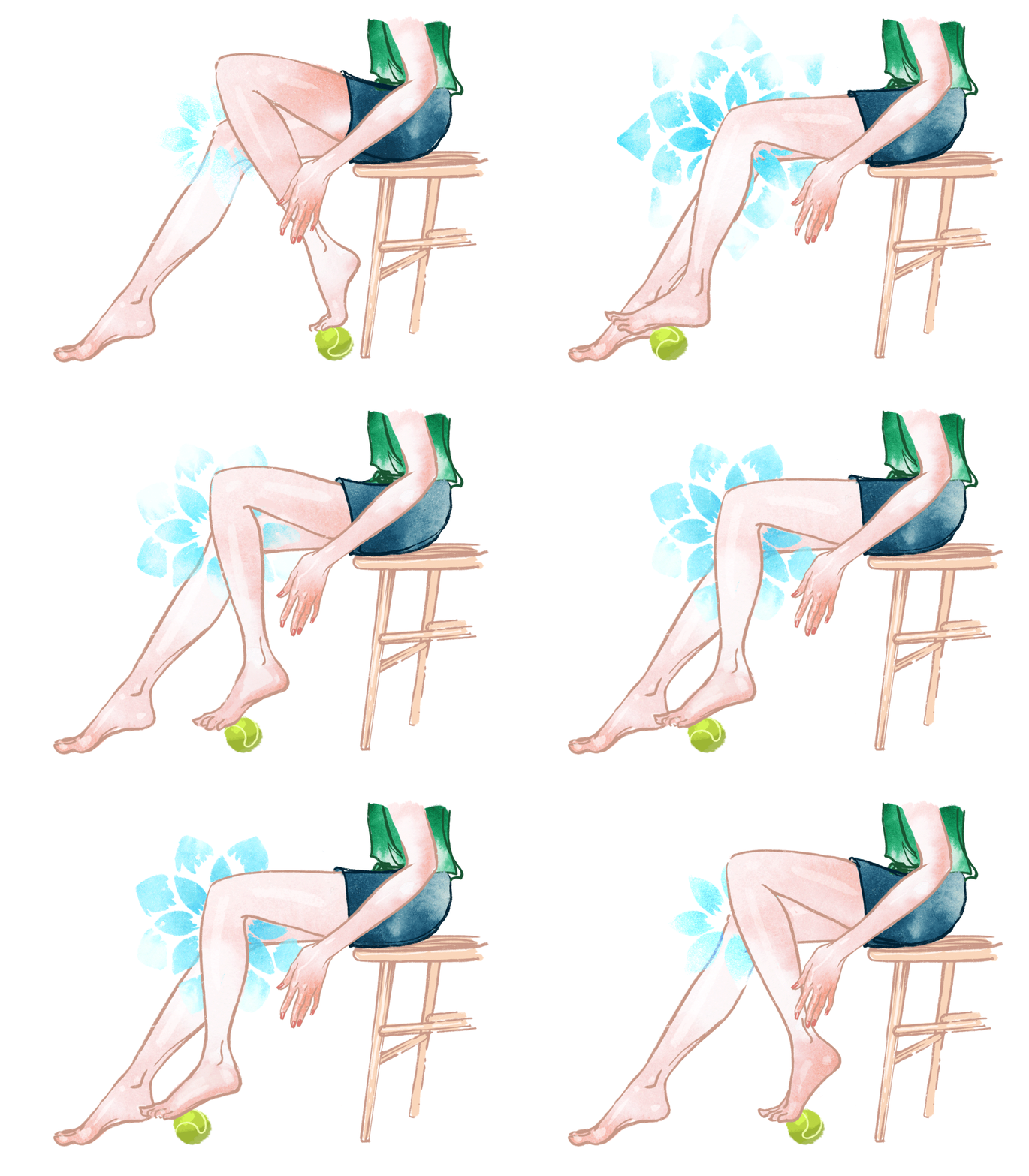
- Stretching: Gentle calf and foot stretches can relieve tension. Try rolling a tennis ball under your foot for 30 seconds, 2–3 times daily.
- Supportive Footwear: Wear shoes with good arch support and a cushioned sole. Avoid walking barefoot.
- Night Splints: These keep the plantar fascia stretched overnight, preventing morning stiffness.
2. Heel Spurs: When Bone Growth Causes Pain
A heel spur is a bony growth that forms on the underside of the heel bone, often as a result of long-term strain on the plantar fascia. While not all heel spurs cause pain, they can become problematic if they press on surrounding tissues or nerves.
Heel spurs are frequently linked to chronic plantar fasciitis. The constant pulling of the inflamed ligament can lead to calcium deposits forming over time.
How to Treat It
- Anti-Inflammatories: Over-the-counter NSAIDs (like ibuprofen) can reduce pain and swelling.
- Steroid Injections: A doctor may recommend corticosteroids to ease severe inflammation.
- Physical Therapy: Exercises to strengthen the foot and calf muscles can improve flexibility and reduce pressure on the heel.
- Rest: Avoid activities that aggravate the condition for 3–6 weeks.
- Surgery: In rare cases, surgical removal of the spur may be necessary if other treatments fail.
3. Heel Bursitis: Inflammation at the Back of the Heel
Also known as calcaneal bursitis, this condition occurs when the bursa—a small, fluid-filled sac at the back of the heel—becomes inflamed. The bursa acts as a cushion between the Achilles tendon and the heel bone, and when it swells, it can cause deep, aching pain, especially when walking or standing.
What Causes It?
- Direct trauma, like a hard blow to the heel
- Awkward landings during high-impact activities (e.g., running, aerobics)
- Tight or poorly fitting shoes that rub against the heel
How to Treat It
- Ice: Apply ice to the affected area for 15 minutes, 3–4 times a day.
- NSAIDs: Use anti-inflammatory medications to reduce pain and swelling.
- Proper Footwear: Wear shoes with a soft heel counter or add heel wedges to reduce pressure.
- Activity Modification: Avoid activities that worsen the pain until the inflammation subsides.
4. Heel Pad Inflammation: When Your Natural Cushion Wears Down
The heel pad is a fatty cushion located under the heel bone, designed to absorb shock with every step. Overuse, trauma, or prolonged pressure can cause this pad to become inflamed or even detach partially from the bone, leading to sharp pain—especially when walking barefoot.
What Causes It?
- Long hours standing or walking on hard surfaces
- High-impact activities like running or jumping
- A sudden fall or heavy landing on the heel
How to Treat It
- Rest: Limit weight-bearing activities to allow the heel pad to heal. Crutches may be necessary for severe cases.
- Ice: Apply ice for 10–15 minutes, twice daily, to reduce swelling.
- Supportive Shoes: Wear shoes with thick, cushioned soles or use heel lifts to reduce pressure.
- Night Splints: These can help stretch the foot and promote healing while you sleep.
5. Sever’s Disease: Heel Pain in Growing Kids
Sever’s disease (or calcaneal apophysitis) is a common cause of heel pain in children and adolescents, typically between the ages of 7 and 15. It occurs when the growth plate in the heel becomes inflamed due to repetitive stress, often from sports or other high-impact activities.
Kids with Sever’s disease usually feel pain at the back of the heel, where the Achilles tendon attaches to the bone. The discomfort may worsen during or after physical activity.
How to Treat It
- Rest: Pause high-impact activities until the pain subsides to prevent further damage.
- Ice: Apply ice to the heel for 15 minutes after activity to reduce inflammation.
- Supportive Footwear: Shoes with good arch support and a firm heel counter can help.
- Stretching: Gentle calf and Achilles tendon stretches can relieve tension.
6. Heel Bumps: A Teen’s Growing Pains
Heel bumps, also known as Haglund’s deformity, are bony enlargements that develop at the back of the heel, often in teenagers. They occur when the heel bone grows abnormally due to excessive friction from shoes or structural issues like flat feet. The bumps can cause pain and irritation, especially when wearing tight or rigid footwear.
How to Treat It
- Proper Shoes: Wear open-back shoes or those with soft heel counters to reduce pressure.
- Heel Pads: Use over-the-counter heel lifts or cushions to protect the area.
- Ice: Apply ice to reduce swelling and discomfort.
- Orthotics: Custom or over-the-counter inserts can help correct foot alignment.
7. Achilles Tendinitis: When the Tendon Takes a Beating
The Achilles tendon is the largest tendon in the body, connecting the calf muscles to the heel bone. Overuse or sudden increases in activity can cause this tendon to become inflamed, leading to Achilles tendinitis. Pain is typically felt at the back of the heel or lower calf, especially during or after exercise.
How to Treat It
- Rest: Avoid activities that strain the tendon until the pain improves.
- Ice: Apply ice for 15–20 minutes, 2–3 times a day, to reduce swelling.
- Stretching: Gentle calf stretches can help relieve tension.
- Strengthening: Eccentric exercises (like heel drops) can strengthen the tendon over time.
- Supportive Footwear: Wear shoes with a slight heel lift to reduce strain on the tendon.
When to See a Doctor
While most cases of heel pain improve with self-care, it’s important to seek medical attention if:
- The pain is severe or worsening
- You can’t put weight on your foot
- There’s noticeable swelling, redness, or warmth in the heel
- You have numbness or tingling in the foot
- Home treatments haven’t helped after 2–3 weeks
A healthcare provider can diagnose the underlying cause and recommend a personalized treatment plan, which may include physical therapy, custom orthotics, or, in rare cases, surgery.
Preventing Heel Pain: Pro Tips for Long-Term Relief
Prevention is always better than cure. Here’s how to keep your heels happy and pain-free:
- Wear the Right Shoes: Choose footwear with good arch support, a cushioned sole, and a roomy toe box. Replace worn-out shoes regularly.
- Warm Up and Stretch: Always warm up before exercise and stretch your calves, Achilles tendon, and feet afterward.
- Gradually Increase Activity: Avoid sudden spikes in physical activity. Increase your mileage or intensity slowly.
- Maintain a Healthy Weight: Excess weight puts extra pressure on your heels. A balanced diet and regular exercise can help.
- Use Orthotics if Needed: If you have flat feet or high arches, custom or over-the-counter orthotics can provide extra support.
- Listen to Your Body: If you feel heel pain, take a break. Pushing through the pain can lead to chronic issues.
Heel pain doesn’t have to be a permanent part of your life. By understanding the root cause and taking proactive steps, you can find relief and get back to doing what you love—pain-free. For more information on foot health, check out the American Orthopaedic Foot & Ankle Society.