Goa: A Spicy Seaside Paradise
Goa: A Spicy Seaside Paradise
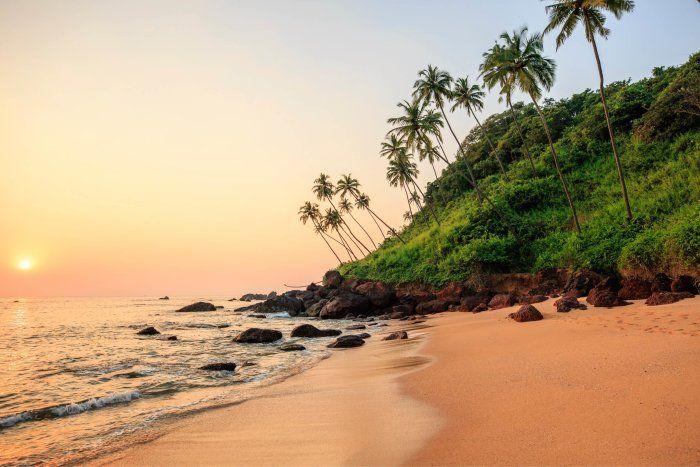
Goa, the smallest state in India, is undoubtedly its most famous beach destination. In the 1970s, hippies flocked here for the warm climate, sandy beaches, exotic flavors, and affordable living. Today, tourists visit for the same reasons. Goa is also a place to experience the authentic, unique, and fascinating culture of its people.
Why Goa Stands Out
Goa differs from the rest of India for several reasons. The most significant is that until the mid-20th century, it was a Portuguese colony. You won’t find pure Hindu culture here—it was once suppressed by the Inquisition. Instead, you’ll see a fascinating blend of Baroque architecture and Catholic faith coexisting with women in saris carrying images of Ganesha.
Accommodation
The best time to visit Goa is from October to May. The rest of the year is dominated by rains and high ocean waves. Tourists typically divide Goa into the southern and northern regions. The south features many luxury hotels and restaurants, clean and well-maintained beaches, and fewer crowds. It’s ideal for a peaceful, family-friendly vacation. The north, on the other hand, is a lively hub for young people, filled with bars, cafes, parties, and concerts. The beaches aren’t as pristine, but this part of Goa is more affordable, with lodging available for as little as $2 a day.
If cleanliness and comfort are important to you, remember that a three-star hotel in India may not meet the same standards as a three-star hotel in Europe. Even in luxury rooms, Indians may not prioritize spotless cleanliness, and budget accommodations certainly won’t guarantee it. Always read as many hotel reviews as possible on various platforms. If you’re looking for a place to stay on the spot, inspect it thoroughly before committing.
Transportation
Getting around Goa is easy with several options available. Taxis are very affordable and comfortable. You can hire a car for a few hours or even several days. Since taxis don’t have meters, always agree on the fare before your trip and don’t forget to bargain. Bargaining is a part of the local culture in Goa, and you should do it everywhere to avoid overpaying.
If you prefer to explore independently, you can rent a moped or a bike. The rental cost will depend on the condition of the vehicle. You might be asked to show your driver’s license, but never leave it or any other documents with the rental provider. Otherwise, you might have to pay a hefty sum to get them back. For a more authentic experience, try the local buses—small, colorful, and old. They run along tourist routes and cost very little. The only downside is the lack of air conditioning and slow speed.
Food
Goa is a paradise for vegetarians, as many locals follow a vegetarian diet. The abundance of fresh, nitrate-free fruits and vegetables is remarkable. However, meat lovers won’t be disappointed either. Some cafes even serve beef, despite the cow being a sacred animal in India. In Goa, you can find dishes from all over the world, including Russian salads like Olivier. The easiest places to eat are the shacks—beachside cafes where you can enjoy both food and the sea view. Keep in mind that Indian cuisine is generally very spicy. If the waiter says your dish is “not spicy,” you’ll be able to handle it. But if they say it’s “spicy,” it might be too hot for you to even try.
Be sure to try the Indian version of masala chai. This fragrant, spicy drink will help you cope with the high temperatures. Pair it with the delicious traditional Goan dessert, Bebinca.
Sightseeing
You can explore Goa in two ways. The first is to hire a taxi driver who will take you anywhere and wait while you explore. The second is to buy an excursion package, which is more expensive but includes a guide.
Here are some places worth visiting in Goa:
- Dudhsagar Waterfall (meaning “Milky Way”) is a stunning, multi-tiered waterfall that’s 310 meters high. It’s part of the Bhagwan Mahaveer Sanctuary. Tourists are picked up at the sanctuary’s entrance, transferred to jeeps, and driven through real jungles to the waterfall. At the base, there’s a beautiful mountain lake where you can swim. The water is cold but very clean.
- Local Markets in Goa usually operate once a week. The markets in Anjuna and Mapusa are open during the day, while the one in Arpora is open at night. Even if you don’t plan to buy anything, visiting these markets is a must. The vibrant colors, sounds, and aromas are unforgettable. While the items are cheap, their quality can be questionable. Always inspect your purchases carefully. Avoid buying tea and spices at the markets, as they lose their natural flavor and aroma after being exposed to the open air all day. Sellers often add chemical enhancements to make them more appealing.
- Panaji, the capital of Goa, is where you can see the Portuguese past blending with the Indian present. Walk down Rua de São Tomé, visit the colorful houses in the Fontainhas district, and climb Altinho Hill to the Maruti Temple.
- Spice Plantations are beautiful and educational places where you can learn how spices grow in their natural environment. The tour also includes demonstrations of how items are made from coconut and other eco-materials. At the end, you’ll enjoy a vegan meal and receive symbolic souvenirs.
- Portuguese Forts such as Chapora, Teracol, and Aguada are now tourist centers offering stunning views of the Indian Ocean and the coastline. Once military strongholds, these forts were where Portuguese ships would resupply with water and weapons. Visiting one of these forts on a guided tour is a great way to learn about Goa’s ancient heritage.
If you want to experience authentic India, consider taking a taxi or an excursion to the neighboring state of Karnataka and the town of Gokarna. Known as the birthplace of Shiva, it’s a hub for Hindus and pilgrims. Here, you’ll find ancient temples and a lifestyle very different from Goa’s. A few kilometers from Gokarna is Murudeshwara, home to the tallest and most colorful statue of Shiva. The entire trip can be done in a day.
Souvenirs
From Goa, consider bringing back leather goods like bags, belts, and shoes, which offer good value for money. Also, look for beautiful handmade jewelry crafted by local women. India is known for its natural cosmetics, which you can find in small shops in Goa. If you want to bring back aromatic memories, buy spices and tea only from stores and always check the ingredients.
Prepared by Alesya Kichko