From Blankets to Coats: The Ingenious Fashion of the 1940s
From Blankets to Coats: The Ingenious Fashion of the 1940s
Fashion is often perceived as something frivolous, but it has always been a part of our lives, even during the most challenging times. During the wars, fashion didn’t disappear; it transformed, reflecting the resilience and creativity of the human spirit. In this article, we delve into the unique fashion trends of the 1940s, a decade marked by World War II, and explore how people adapted their style to the circumstances.
Fashion During Wartime: A Symbol of Hope
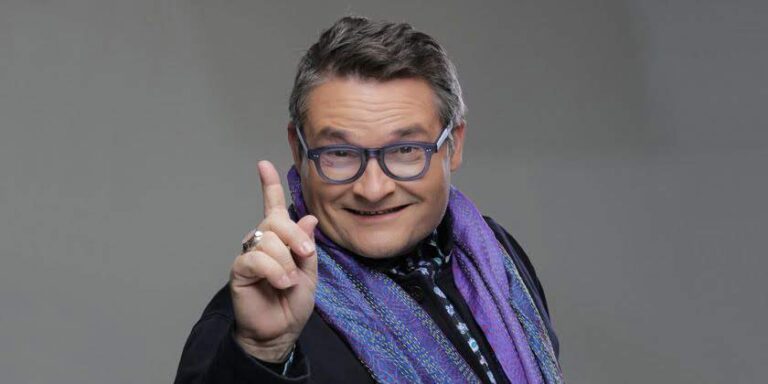
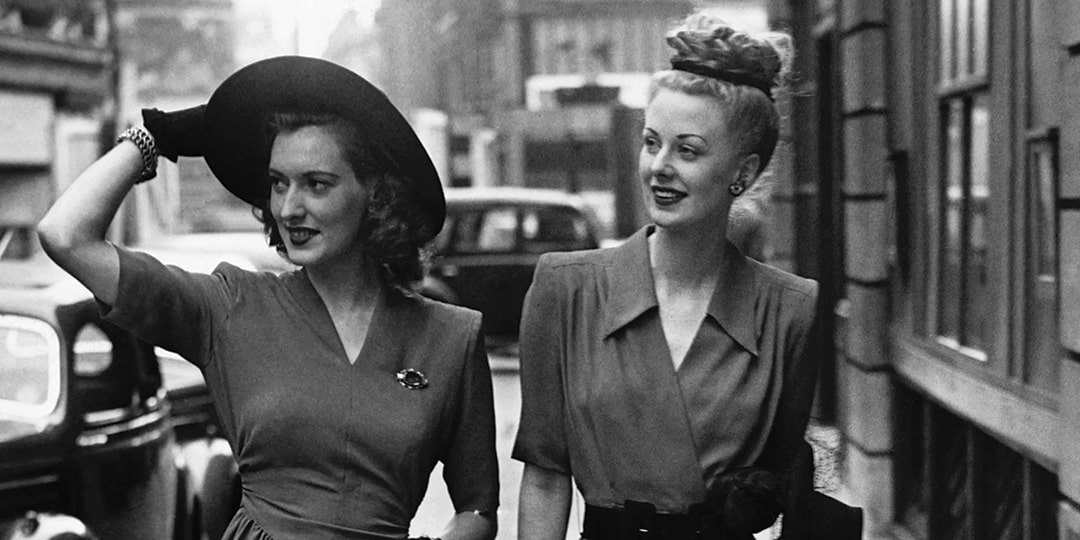
Olga Yakusheva, a renowned stylist, shares her insights on the fashion trends of the 1940s. Despite the economic hardships and rationing, people found ways to express their individuality and maintain a sense of normalcy through fashion. The 1940s fashion was characterized by geometric forms, military-inspired silhouettes, and dark colors. Women’s outfits often featured cinched waists, short skirts, and broad shoulders, reminiscent of military uniforms.
Clothing and Footwear: Radical Changes Due to Scarcity
The 1940s saw a significant shift in clothing and footwear due to the total deficit of materials. With production halted, women had to rely on their ingenuity to create new garments from old clothes, bed linens, and even threads from unraveled sweaters. For instance, men’s flannel trousers were repurposed into skirts, and blankets were transformed into winter coats.
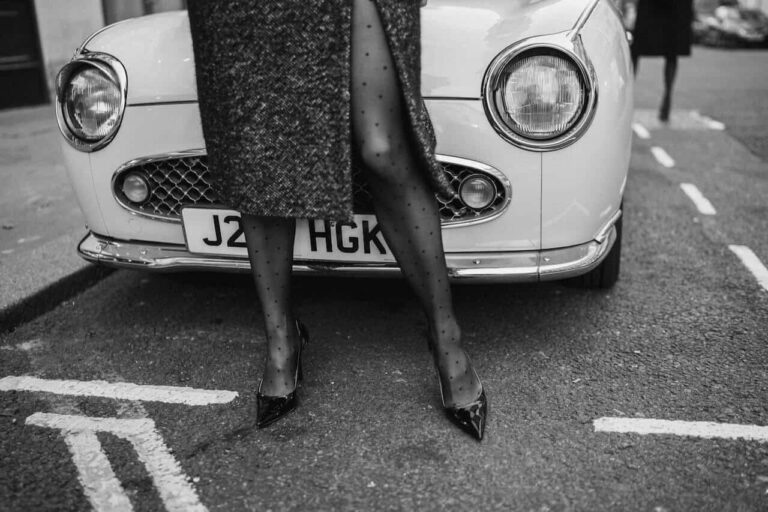
Materials like silk, nylon, and wool were in short supply as they were needed for military uniforms and parachutes. As a result, women turned to viscose and hand-knitted tricot items. Shoes were often worn barefoot, and in the absence of stockings, women would draw a seam line on their legs to create the illusion of wearing them.
Accessories and Hairstyles: Concealing the Lack of Makeup and Styling
With limited time and resources for hairstyling, women in Western Europe and North America popularized the turban. This versatile accessory could be tied in various ways using scarves, shawls, and kerchiefs, effectively concealing any hair issues. Wide-brimmed hats and veils were also used to mask the absence of makeup, which was scarce during the war.
Women began growing their hair long, as it was easier to style without assistance. Popular hairstyles included curls, rolls, ringlets, various braids, and buns often covered with nets. Shoulder bags also emerged during this time, inspired by military satchels and gas mask bags.
Evening Fashion: Tulle and Parachutes
To add a touch of festivity to their dark dresses and blouses, women used detachable collars. The combination of black and yellow was particularly fashionable. Evening dresses were made from tulle, and accessories included fringe made from threads, hairnets, artificial flowers, or angora wool embroidery. Brooches and clips were the favorite jewelry of women in the 1940s.
The ultimate luxury was pleated, flounced, or sun-ray skirts. The greatest stroke of luck was acquiring underwear made from the parachute of a downed enemy pilot.
Fashion in the USSR: Practicality Over Style
In the Soviet Union, fashion took a backseat to practicality. With men away at war, women took on heavy and dirty jobs, which influenced their attire. Trousers, padded jackets, and ki boots became staples in women’s wardrobes. The fashion models proposed by Soviet magazines often differed significantly from what was actually available in stores, as tailors were primarily tasked with sewing military uniforms.
White socks became an alternative to stockings in the USSR. A girl in a dress with padded shoulders or puffed sleeves, white socks, and small-heeled pumps or sandals became a symbol of the 1940s era.
Men’s Fashion in the 1940s: Caps, Wide Trousers, and Military Uniforms
Men’s fashion took a backseat during the 1940s, with many men wearing what they had from the start of the war or repurposed military uniforms. However, some trends emerged in the latter half of the decade. Massive double-breasted jackets, wide trousers, and oversized coats became popular. Suits consisted of fitted single-breasted jackets made from worsted suit fabrics and wide trousers, often with turn-ups. Ties were wide and short, usually made from silk or silk-cloth, and featured polka dots or stripes.
Leather jackets and coats from the 1920s and 1930s were considered highly fashionable. However, most men wore zippered jackets, known as “Moscow” or “hooligan” jackets, which were waist-length and featured a wide belt. These jackets had two or four large patch pockets and a wide yoke in the front made from a different material. Coats with hidden fastenings and raglan sleeves were also popular.
For everyday wear, men often wore trousers tucked into boots, a jacket, and a cap. Jackets were fitted, short, and sporty, with patch pockets and a strap in the back. Men commonly wore shirts with soft collars and no tie, often layering them with knitted vests or sweaters.
A new model of trousers emerged in 1940: golf trousers, which were wide knickerbockers made from wool fabric that reached the knee.
For further reading on the evolution of women’s fashion, you can explore this article on 1950s fashion.