Fostering Independence in Children: A Guide for Parents
Fostering Independence in Children: A Guide for Parents
As parents, we often strive to raise well-rounded, independent, and healthy children. However, in our eagerness, we might end up doing too much for them. What children truly need is the freedom to choose and act. Here’s how you can nurture independence in your child.
The Journey of Growing Up
From a helpless newborn to a toddler making significant strides, children exhibit an innate drive for independence. They learn to move, eat, regulate sleep, and communicate their needs. This natural inclination towards self-reliance is a gift from nature, fostering development from the very beginning.
Maria Montessori’s Insights
In the late 19th century, Maria Montessori, an Italian physician and educator, emphasized the importance of allowing children to do things independently. Her educational methods gained worldwide recognition for their effectiveness. Montessori’s core belief was, “Help the child to do it himself, and he will understand it himself.”
Stages of Development
According to Maria Montessori, the period from 0 to 3 years is known as the “absorbent mind” stage. During this time, children absorb everything around them like sponges. They observe, listen, and feel, acquiring a vast amount of knowledge and skills that are crucial for their personality development.
This stage includes two critical developmental periods: sensory and motor. Children explore the world through movement and sensory experiences. They might repeatedly drop a spoon to listen to the sound, observe its fall, and understand its speed.
Around the age of three, children often assert their independence with phrases like “I can do it myself!” From ages 3 to 6, children enter a phase of “self-construction,” where they learn basic social rules, develop memory, attention, thinking, and perception through play. It’s essential to show them that effort and hard work can bring joy and satisfaction.
Key Steps to Foster Independence
- Treat Your Child as an Autonomous Individual
Communicate with your child on an equal level, involve them in decision-making, and discuss actions and rules. Avoid excessive emotionality and overprotection, as these can hinder the development of independence. - Create a Safe Play Area
Designate specific zones in your home for different activities:- Practical Life Zone: Teach basic skills like tying shoes, sweeping the floor, and buttoning clothes.
- Sensory Zone: Provide materials for developing fine motor skills and exploring colors, shapes, textures, and weights.
- Science Zone: Allow children to conduct simple experiments, care for plants, and learn about numbers and letters.
Ensure these zones are easily accessible to your child.
- Allow Your Child to Do Things Independently
Avoid doing tasks for your child that they can manage on their own. For example, let them use utensils, build towers, and play independently. Patience is key, even if it takes them longer. - Offer Choices
Allow your child to make age-appropriate choices, such as selecting their clothes or deciding which toy to buy. This fosters decision-making skills and independence. - Involve Your Child in Household Chores
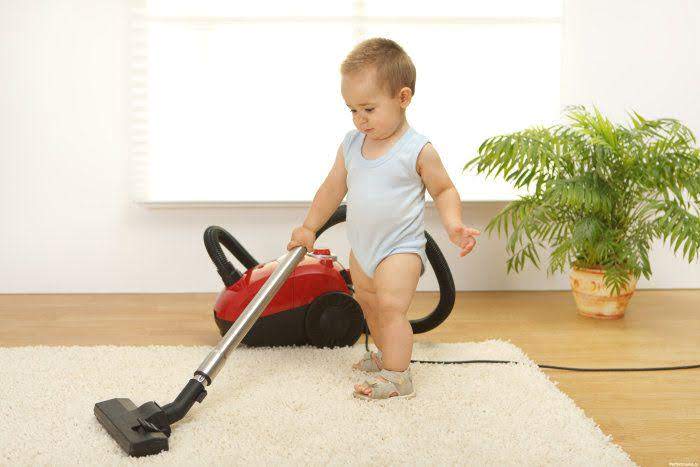
Children love to help. Encourage their enthusiasm for tasks like cooking, cleaning, and gardening. Guide them positively and avoid criticism to maintain their interest in helping. - Assign Responsibilities
Teach your child the value of work and responsibility. Assign age-appropriate tasks, such as tidying up toys, preparing for school, or making their bed. This helps them understand the importance of contributing to the family. - Allow Mistakes and Responsibility
Let your child learn from their mistakes. If they forget to feed the cat or bring their notebook, allow them to face the consequences and find solutions. This teaches responsibility and independence.
Conclusion
A child’s personality is largely formed by the age of six, but personal growth continues throughout life. The foundation of confidence, independence, and a positive outlook is laid in childhood. As parents, the best gift we can give our children is the belief in their abilities and the skills to make their own decisions.