Fitness to the Rescue: How to Alleviate Menstrual Cramps Naturally
Fitness to the Rescue: How to Alleviate Menstrual Cramps Naturally
Menstrual cramps are a common issue that every woman deals with in her own way. While painkillers have become a go-to solution for many, allowing women to maintain an active lifestyle during their periods, there are natural alternatives that can help alleviate discomfort without relying on medication. Here’s a step-by-step guide to help you take your health care to the next level.
Step 1: Breathing Exercises
Many people overlook the benefits of breathing exercises, but they can be incredibly effective. During these mini-meditations, your muscles relax, helping to reduce painful sensations no matter where you are. Find a quiet place to sit comfortably, straighten your back, and take deep breaths. Inhale deeply, hold for a few seconds, and then exhale completely. This process enriches your body with oxygen and helps relax the muscles, reducing constant spasms.
Step 2: Take a Walk
Walking can be uncomfortable when you’re experiencing heaviness in your lower abdomen, and the loss of blood can sometimes cause dizziness. However, if you feel up to it, a short walk can help relax your muscles. Another excellent way to alleviate pain is to go for a swim, as the water can soothe your muscles and provide relief.
Step 3: Yoga
Yoga is one of the best ways to relax your muscles and bring your body into harmony with your emotional state during menstruation. Poses like the lotus, downward-facing dog, camel, or fish can help relieve tension in your pelvic muscles and ease cramps. Yoga also helps restore your breathing. If possible, set aside time to practice yoga at home, focusing on poses that target the lower back, hips, and pelvis.
Step 4: Fitness
If yoga isn’t your thing, consider a more active approach with fitness. Not all exercises are suitable during menstruation, so avoid strength training, high-intensity workouts, and endurance exercises. Instead, focus on stretching your back, hips, lower back, and pelvis. Many stretching exercises can be done anywhere. For example, lie on your back and pull your bent knees to your chest to relieve tension in your hips and lower back. Sit and reach for your toes to stretch your back muscles and reduce strain on your spine. Avoid exercises that require standing, balancing, or changing the position of your head in space.
Step 5: Massage
If you prefer not to exercise, a massage can be a gentler way to relax tense muscles. Use circular motions to massage your abdomen. Roll a tennis ball along your lower back or ask someone to rub your back for you. Also, massage your legs from your feet to your thighs to improve circulation. Using natural oils with calming effects, such as lavender, can enhance the benefits of the massage.
Step 6: Rest
Stress and fatigue can intensify pain, so it’s essential to isolate yourself from worries during your period. If you feel unwell, lie down and try to sleep. Listen to calming music to help you relax. Sleep is often the best remedy for stress, so prioritize it, especially if you’ve been having trouble sleeping lately. Drink warm milk or herbal tea and rest in a quiet, dark room.
Step 7: Heat Therapy
Applying heat to your abdomen or lower back can help reduce pain. Use a warm towel or heating pad, but be careful not to burn your skin. After 10-15 minutes, remove the heat source and let your skin return to its normal temperature.
Step 8: Hydration and Diet
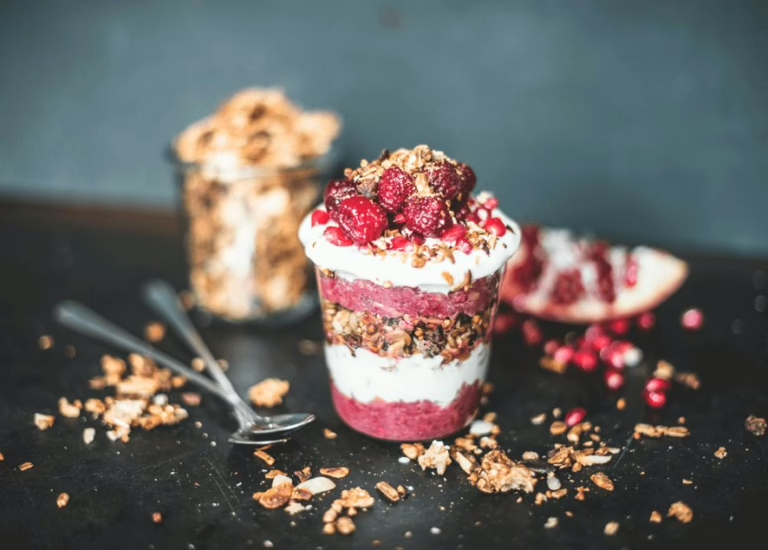
Dehydration can worsen menstrual cramps, as muscles need proper hydration to function correctly. Drink plenty of fluids, but avoid caffeine, as it can trigger spasms. Steer clear of coffee, black tea, chocolate, and soda. Instead, opt for healthier snacks rich in potassium, calcium, and magnesium, such as cheese, yogurt, bananas, oranges, nuts, and avocados. These foods can help satisfy your hunger while also benefiting your body.
Step 9: Avoid Alcohol and Smoking
Alcohol and tobacco can constrict blood vessels, worsening spasms. Additionally, alcohol can dehydrate your body, further intensifying pain. If you’re struggling with nicotine cravings, consider using nicotine gum or an electronic cigarette as alternatives.
For more information on healthy habits, visit Heroine.