Expert Guide to Cultivating Fresh Produce in Your Backyard
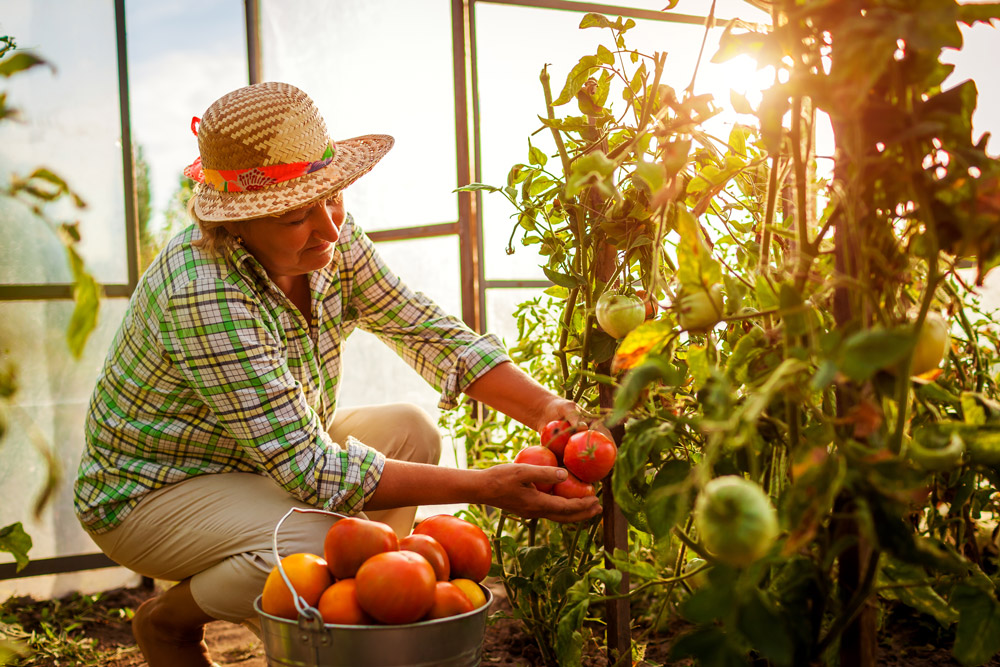
Expert Guide to Cultivating Fresh Produce in Your Backyard
Cultivating your own produce at home comes with a myriad of benefits. It keeps you active, helps save money, and encourages a healthier diet. Here’s a comprehensive guide to help you embark on your home gardening journey.
Plant in Raised Beds with Rich Soil
Using raised beds filled with rich soil enhances aeration and drainage, leading to lush and productive growth. The right soil mix fosters beneficial microorganisms that feed your plants. It’s essential to research the specific needs of your plants to ensure optimal soil composition.
Optimal Placement and Location
Most vegetable plants require at least six hours of sunlight daily. Arrange your crops in triangles rather than rows to fit more plants in each bed. This arrangement maximizes space and ensures each plant receives adequate sunlight and nutrients.
Proper Watering Techniques
Finding the right balance of water is crucial for most vegetable plants. Typically, one inch of water per week, including rainfall, is ideal. Both overwatering and underwatering can harm your plants, so monitor soil moisture levels regularly.
Avoid Over-Fertilizing
While fertilizer can benefit plants, excessive amounts can be harmful, leading to smaller yields. Follow the recommended guidelines for your specific plants to ensure they receive the right nutrients without overdoing it.
Use Companion Planting Principles
Certain plant combinations are mutually beneficial. For instance, tomato plants naturally repel moth larvae that often damage cabbage. Researching and implementing companion planting can create a more productive and pest-resistant garden.
Benefits of Growing Your Own Produce
Eat Better
When you grow your own food, you are more likely to consume it. Fresh food from a home garden is often more nutritious than store-bought varieties, packed with vitamins, minerals, and antioxidants. Consuming home-grown food is a great way to positively impact your diet.
Reduce Stress
Gardening is an excellent stress reliever and a great way to stay active. The fresh air, sunshine, and cardiovascular exercise involved in gardening can help reduce stress levels and improve overall mental health.
Save Money
Growing your own food can save you money. By spending a few dollars on seeds and plants, you can produce pounds of fruits and vegetables to enjoy and share. This can significantly reduce your grocery bills and provide a sense of accomplishment. For more tips, visit this guide.
Be Greener
When you grow and consume your own food, you reduce your environmental impact. Avoiding pesticides and herbicides decreases air and water pollution. Additionally, picking vegetables from your garden instead of going to the grocery store reduces pollution from fossil fuels and transportation, making your lifestyle more eco-friendly.