Everything You Need to Know About Permanent Makeup
Everything You Need to Know About Permanent Makeup
A woman with permanent makeup is ready for any surprises—be it rain, snow, a late-night party, or a tear-jerking melodrama. She always looks impeccable. We decided to delve deeper into this procedure, how to prepare for it, and what effects to expect. For expert insights, we turned to a professional permanent makeup artist, Ekaterina Melentyeva.
What Imperfections Can Permanent Makeup Correct?
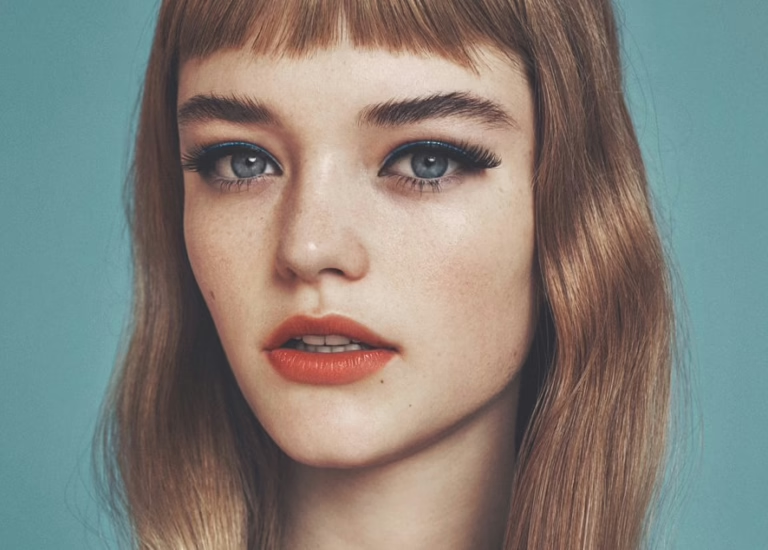
Permanent makeup can not only highlight your best facial features but also correct or conceal natural asymmetries and flaws. It can visually enlarge and reshape your eyes, define or enhance your eyebrows, and alter the shape and color of your lips. The right pigments can make your appearance more harmonious and calm or more vibrant and expressive—all depending on your preferences.
How Long Does the Effect Last?
The longevity of permanent makeup varies from 1.5 to 3 years and depends on several factors. Primarily, it depends on individual characteristics such as skin density, oiliness, hormonal balance, and immunity. Porous, dense, and oily skin tends to fade permanent makeup faster than dry and thin skin. Additionally, the effect may fade quicker if the treated areas are not protected from the sun.
The durability also depends on the treated area. Eyebrows typically need a touch-up every year, while eyes and lips retain their color longer and usually require a touch-up every 1.5 to 2 years, though sometimes the effect can last up to 3 years. Without touch-ups, the pigment will gradually fade, and after about 5 years, it usually disappears completely.
Can You Use Decorative Cosmetics with Permanent Makeup?
Yes, you can. Many clients seek a natural rather than a decorative permanent makeup look. The goal is to wake up in the morning looking fresh-faced rather than made-up. This subtle, natural permanent makeup is virtually undetectable to others but adds a touch of neatness and completeness to your natural features.
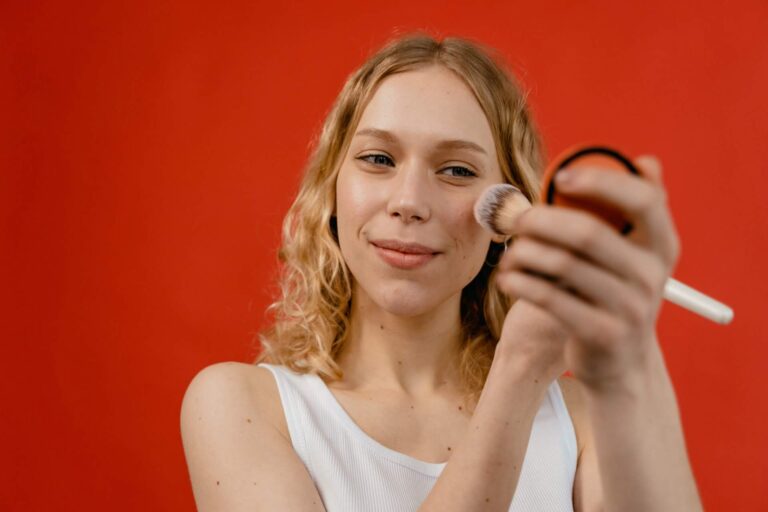
In such cases, women often use decorative cosmetics. Applying makeup becomes easier with permanent makeup as you only need to trace the existing shape rather than draw it from scratch.
How Natural Does Permanent Makeup Look?
The naturalness of permanent makeup depends on the client’s request. We can achieve an effect so subtle that no one will suspect you’ve had the procedure—it will look entirely natural. Alternatively, we can create a bold accent on the chosen area. In this case, the permanent makeup will look like very neatly applied decorative makeup. Others will think your brows are slightly shaded with shadows and your lips are adorned with long-lasting lipstick.
What Are the Contraindications?
Permanent makeup is strictly contraindicated for people with high fever, insulin-dependent diabetes, blood clotting disorders, mental illnesses, AIDS, or HIV. You should also avoid the procedure during the exacerbation of any diseases, herpes (for lip makeup), conjunctivitis (for eye makeup), and during pregnancy.
Other contraindications include undergoing the procedure during menstruation, recovery from surgery, and while taking antibiotics, as they can interfere with the even distribution of pigment under the skin or cause it to fade too quickly.
How to Prepare for Permanent Makeup?
Before the procedure, avoid tanning for seven days and refrain from alcohol the day before, as it can reduce the effectiveness of the anesthetic.
For lip makeup, start taking the herpes infection prophylaxis medication “Valtrex” on the day of the procedure. Take one tablet in the morning and evening for five days.
For eyebrow makeup, avoid any prior correction or dyeing of the hairs.
For eyelid procedures, remove eyelash extensions and contact lenses.
What Does the Procedure Involve?
The client comes in for a free consultation, meets the artist, and decides on the desired result. If it’s lip makeup, the client can show a photo of the preferred shade. If the client’s request is not fully formed, the artist will suggest the best shape and color to suit the client’s color type and natural features.
After agreeing on the details, the specialist sketches the design, which takes about 5 minutes. The client provides feedback, requests adjustments, or approves the sketch.
During the procedure, an anesthetic is applied to the skin. Once it takes effect, the pigment is introduced under the skin.
The procedure takes 1 to 2.5 hours per area, with an average time of 1.5 hours. There may be slight swelling, which will subside the next day.
The permanent makeup looks bright and beautiful immediately after the procedure. The final result should be evaluated after a month, as the color stabilizes during this period. If any touch-ups are needed, an additional correction can be done after four weeks.
If further adjustments are still needed (which sometimes happens with mature or complex skin), subsequent procedures are performed free of charge until the perfect result is achieved. No one has needed more than two corrections so far, and often no correction is needed at all.
How to Care for Your Skin After the Procedure?
No complex care is required. For the first 4-5 days, apply “Bepanthen+” ointment several times a day. Do not rub the treated area or peel off any scabs that form on the skin. Avoid visiting saunas, solariums, and pools for 10 days after the procedure.