Essential Films and Books About the Holodomor: A Historical Journey
Essential Films and Books About the Holodomor: A Historical Journey
The Holodomor, the devastating genocide of the Ukrainian people in 1932–1933, has been captured through various mediums such as films, books, and personal accounts. These works serve as powerful tools to educate and remember the atrocities committed during this dark period in history. Here, we explore some significant films and books that delve into the Holodomor, offering insights and preserving the memory of those who suffered.
The Historical Thriller “Mr. Jones”
In 1933, Welsh reporter Gareth Jones seeks his next big story. The latest news leads him to Moscow, where he meets journalist Ada Brooks. Ada opens his eyes to the “Soviet utopia,” which bears no resemblance to reality. Despite death threats, Gareth begins his investigation. Hiding from the Soviet secret services, he gradually uncovers the truth about the tragedy of the Ukrainian people: the Holodomor, harsh censorship, conspiracy, and mass repressions. His revelations later become the basis for George Orwell’s novel “Animal Farm.”
The Documentary “Living”
“Living” presents the harrowing memories of survivors who were children during the Holodomor. They recall the times when their parents’ food was taken away, villages died of starvation, and those who survived became an “army of slaves.” Now adults, they recount those times with tears in their eyes, saying it would have been better if they had never been born. The witnesses’ stories are intertwined with entries from the diary of British journalist Gareth Jones. The documents cited in the film indicate that the governments of some countries knew about the disaster in Ukraine but were indifferent to others’ pain. The Ukrainian famine is woven into world history—the paralysis of the US economy, Hitler’s rise to power in Germany, and the war of the Bolshevik government with the peasantry.
The French Film “Holodomor: The Forgotten Genocide”
“Holodomor: The Forgotten Genocide” is the first French film about the Holodomor, based on the story of one family from the Vinnytsia region. A man who survived the tragedy of 1932–1933 now lives in France. The filming took place in his native village, adding authenticity to the narrative.
The Historical Drama “Bitter Harvest”
“Bitter Harvest” tells the story of a talented peasant artist, Yuri, a descendant of the Cossack family, who, along with his beloved Natalka, must endure all the hardships and oppression of the Soviet government. When their fellow villagers become victims of the artificial famine and Stalin’s repressions, Yuri leads a rebellion against Stalin’s tyranny, and Natalka heads the “women’s revolt.” This film, directed by Canadians of Ukrainian descent George Mendeluk, Ian Ihnatowycz, and Richard Bachynsky, depicts a love story amidst the horrors of the Ukrainian Holodomor of 1932–1933.
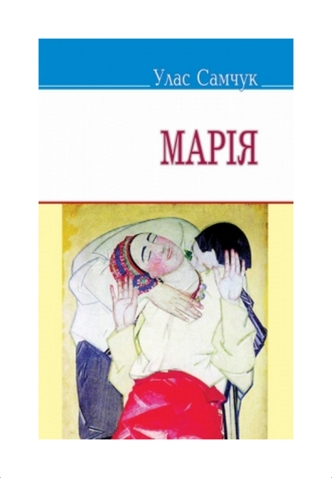
The Novel “Maria” by Ulas Samchuk
“Maria” by Ulas Samchuk is considered the first fictional work about the Holodomor. The main character is seventy-year-old Maria, who, along with other Ukrainians, experiences the terrible famine. A woman of strong character, Maria has endured much grief in her life. In the image of Maria, Ukraine itself is personified. The work reflects the real state of affairs in the 1930s, providing an understanding of how difficult life was for peasants and making us think about true values.
“Red Famine: Stalin’s War on Ukraine” by Anne Applebaum
Anne Applebaum’s “Red Famine” explores the Stalinist regime and the intentions of the Soviet government that ultimately failed. The author uses oral testimonies, archival documents, diaries, and research by Ukrainian and foreign scientists. Applebaum concludes that the Holodomor was not a result of collectivization but a consequence of the actions of activist brigades that took everything from the peasants to the last crumb.
Essays on the Holodomor
The Holodomor-genocide of 1932–1933 is just one episode in a much longer and more complex history of coercion, suppression, and violence against Ukrainians by the communist regime. Understanding the essence of this crime is crucial. Research on the Holodomor and genocide studies is dedicated to exploring the Holodomor and other related issues. It examines the demographic and socio-cultural aspects of the Holodomor-genocide, methods, and narratives of Holodomor denial, and other issues related to the history of the largest crime committed against Ukrainians in the 20th century.
If you are a specialist in your field and want the September audience to know about you, write to us at writer@september.is. In the email, provide information about yourself, what you do, and the topic you want to write about.