Empowering Equality: Three Champions Fighting to End Period Poverty
Empowering Equality: Three Champions Fighting to End Period Poverty
Period poverty, a pervasive issue that has long been a source of shame and anxiety for many, has been holding women back for far too long. In this article, we delve into the stories of three remarkable individuals who are dedicated to ending this cycle of inequality. Their efforts are not only inspiring but also crucial in bringing about much-needed change.
The Heartbreaking Reality of Period Poverty
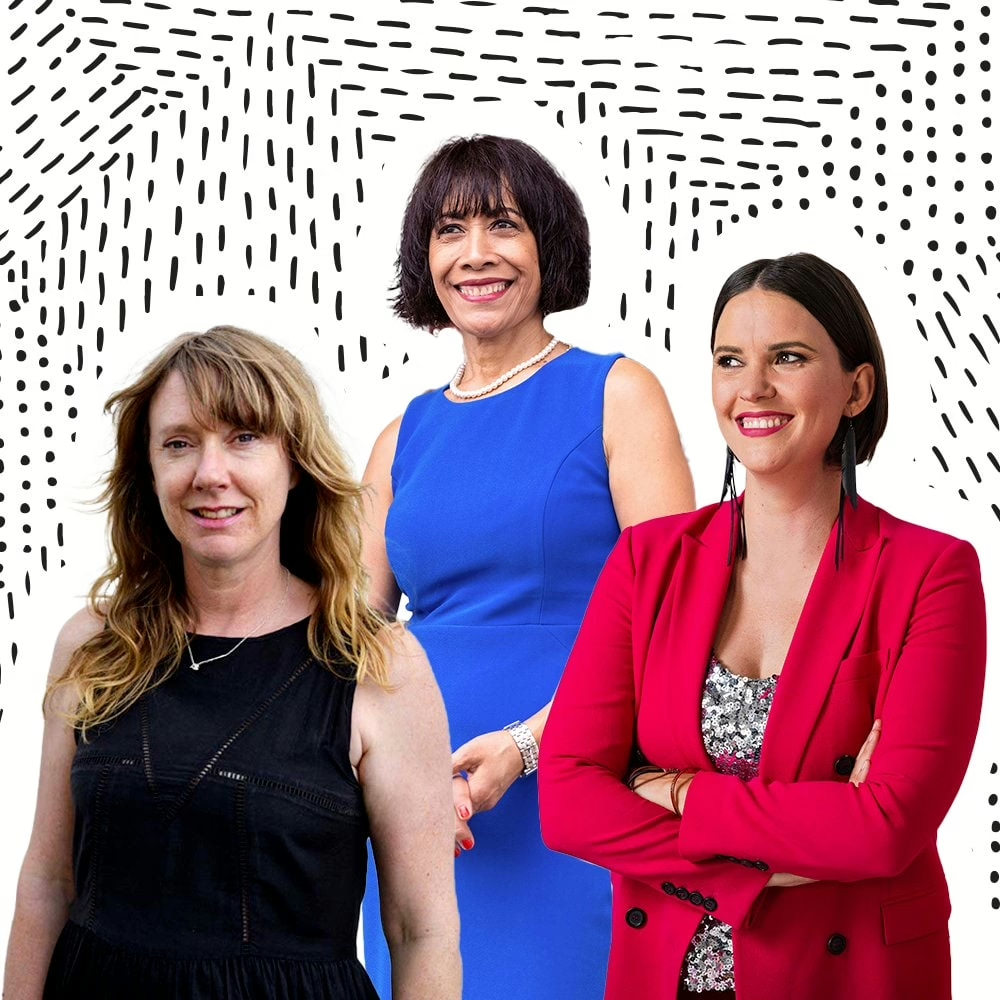
Soala Wilson, now 60, vividly recalls the day she bled through her clothing in her high school science class. The embarrassment and fear she felt that day have stayed with her for decades. Growing up in a family that struggled to make ends meet, Soala often had to resort to using toilet paper, sheets, or newspaper to manage her periods. Her story is a stark reminder of the harsh realities many young people face even today.
According to Dignity NZ, an estimated 95,000 menstruators between the ages of nine and 18 may stay at home during their periods because they cannot afford sanitary products. This issue is not just about access to products; it’s about dignity, education, and equality.
The Crusaders of Change
Soala Wilson and her business partner Chrissie Taylor, who run The Works Hair Salon, launched SPINZS (Sanitary Products in New Zealand Schools). This charity initiative has provided over 300,000 free period products to local schools, making a significant impact before the government stepped in to address the issue.
Chrissie’s upbringing was starkly different from Soala’s. While Chrissie had access to all the necessary period products, Soala had to make do with whatever she could find. This contrast highlights the disparity in experiences and the urgent need for period equity.
Government Intervention and Ongoing Efforts
The New Zealand Government announced in February that its Access to Period Products programme would roll out in schools nationwide from June. This initiative follows the lead of Scotland, which became the first country in the world to make period products completely free.
Anna Beard, the insights and advocacy manager at YWCA, points out that period poverty came to the fore as a major issue in 2017. A report by children’s charity KidsCan revealed that 24% of respondents had missed school or work due to a lack of access to period products. This report sparked a wave of initiatives aimed at addressing the issue.
The Stigma Surrounding Menstruation
Anna Beard believes that the stigma attached to menstruation is at the heart of the period poverty issue. This stigma keeps girls from attending school and prevents open conversations about menstruation. The shame and fear associated with periods often lead to girls staying at home, missing out on crucial educational opportunities.
One survey respondent wrote, “We had to use a pad for an entire day to make them last and not go out for fear of leakage.” Another parent shared, “I have to sacrifice a day or two of food to be able to afford what many call a ‘female luxury.’” These responses underscore the urgent need for change.
The Path Forward
The stories of Soala, Chrissie, and Anna highlight the importance of addressing period poverty and the stigma surrounding menstruation. Their efforts have paved the way for government intervention and ongoing initiatives aimed at providing access to period products for all.
To learn more about period poverty and how you can help, visit Dignity NZ.