Discovering Yourself Through the Power of Art Therapy
Discovering Yourself Through the Power of Art Therapy
Last August, I signed up for an art therapy session. I’ve always had a fondness for art and had a basic understanding of art therapy, but I had never attended a workshop before. I’m not sure what drove me more: curiosity or the desire to embrace my femininity and find inner harmony. Yana Konovko, a psychologist and art therapist at the “Center for Successful Relationships,” shared insights on the purpose of art therapy, its role in alleviating psychosomatic illnesses, and the common issues clients face.
Yana Konovko: A Versatile Approach
Yana Konovko has always been drawn to creativity. She attended music school, joined vocal and guitar clubs, and even dabbled in beadwork. Art therapy at the “Center for Successful Relationships” is in high demand. The center’s policy of offering new and varied activities each month allows both Yana and her clients to explore and unlock their potential. Clients are eager to attend sessions, knowing they will always find something new and engaging. Art therapy encompasses various forms, such as bibliotherapy, music therapy, mask therapy, and color therapy, enabling individuals to express themselves in diverse ways. For instance, music therapy often uses instrumental compositions to avoid imposing specific meanings that might distract clients from their inner exploration.
Client Preferences and Group Dynamics
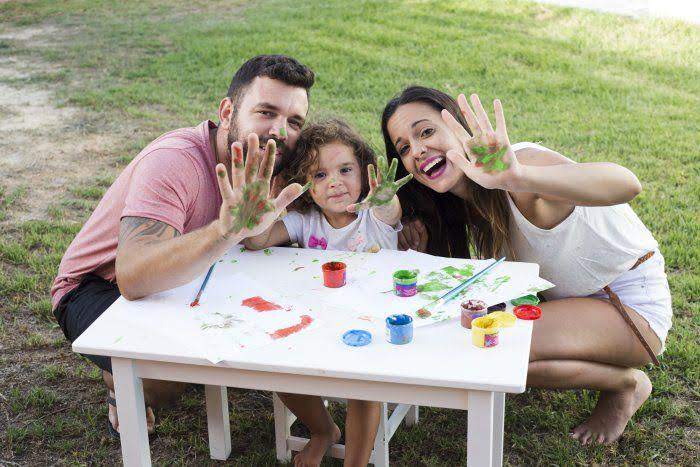
Younger clients are particularly open to learning and immersing themselves in new experiences. They are willing to explore different art therapy methods, even if they have no prior experience. While some may prefer one form over another, the overall feedback is positive, indicating that clients find value in these sessions. Although couples have not yet attended art therapy sessions together, families are welcome. Tasks can be adapted for children, and elements of art therapy are often incorporated into couple consultations as homework assignments. Art therapy is a versatile tool that can be integrated into various training programs.
Addressing Psychosomatic Illnesses
Psychosomatic illnesses often stem from intense emotional experiences. These can include pain, headaches, muscle aches, neuralgia, ulcers, and gastritis. The root cause is often the suppression of emotions. Living in society, we frequently cannot express our aggression or true feelings directly, especially towards authority figures like bosses, parents, or spouses. These suppressed emotions can manifest as physical ailments. Art therapy is an effective method for uncovering hidden emotions. Creativity is not bound by logic, and the role of an art therapist is to guide clients to a subconscious level, helping them unlock and address these emotions.
Interpreting Artwork
The interpretation of a client’s artwork involves various elements such as color, form, and composition. Dark tones do not necessarily indicate depression; they can also signify focus, responsibility, or concentration. Sharp lines, like claws or teeth, might suggest suppressed aggression or anger. The psychologist acts as a guide, sharing their impressions and insights to help clients uncover deeply buried emotions.
Common Issues and Session Duration
Clients often seek art therapy for various reasons, including finding inner resources, making difficult decisions, career changes, achieving inner harmony, and stress relief. The number of sessions required varies. The first session is typically introductory, while the second delves deeper into the client’s inner world. On average, 5-6 sessions are needed to understand the root causes and outline solutions. However, progress can be hindered by a client’s reluctance to open up or engage deeply.
Overcoming Fear and Developing Imagination
It’s not uncommon for clients to initially seek help but then retreat due to fear of confronting painful memories. Developing imagination is crucial, especially since societal norms and intellectual development often limit creative thinking as we age. Art therapy encourages breaking free from these constraints. Artistic skills are not a prerequisite for effective art therapy. In fact, professional artists might find it harder to access their subconscious due to their technical focus. Developing imagination can be achieved through various exercises, such as finding unconventional uses for everyday objects. Traveling and broadening one’s horizons also contribute to enhanced creativity.
The Future of Art Therapy
Art therapy is as boundless as creativity itself. Its future may include new forms like computer graphics, but the essence remains the same: it is a tool created by humans to explore and express their inner worlds. In some countries, like the Netherlands, psychologists are licensed for specific types of art therapy, reflecting the field’s diverse and specialized nature.