Discover Malawi: Africa’s Warm Heart
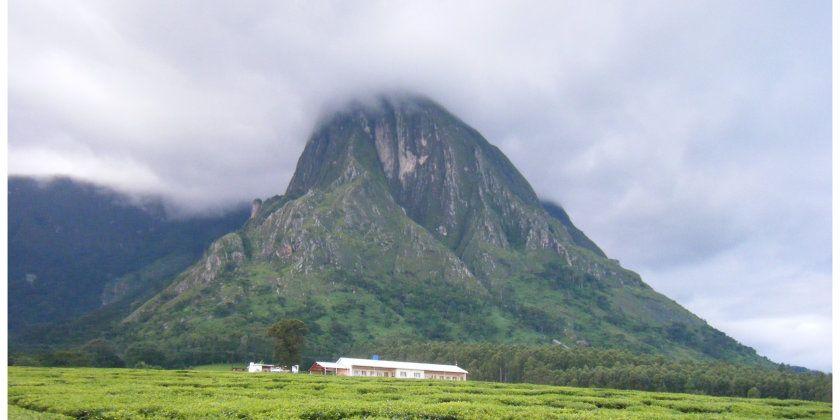
Malawi: Africa’s Warm Heart
Malawi, known as the “Warm Heart of Africa,” has been using this heartfelt slogan for decades, thanks to the warmth and friendliness of its people. This small country in southeastern Africa has been blessed with peaceful citizens, as it has seen no civil wars and boasts an extremely low crime rate.
Language and Culture
As a former British colony, Malawi’s official language is English. Interestingly, it was the 31st country to gain independence, a fact reflected in its national flag, which features a sun with 31 rays. However, the national and most widely spoken language is Chewa, which translates to “languages of the flames.” This name originates from the beautiful sunrises and sunsets over Lake Malawi (also known as Lake Nyasa), the third-largest lake in Africa, home to over 500 species of fish due to its crystal-clear waters.
Visa and Travel Information
If you’re from Belarus or Poland, you’re in luck! No visa is required, and upon arrival, you’ll receive a 30-day stamp for $75. It’s recommended to bring US dollars, although you’ll need to exchange them for the local currency, the Malawian Kwacha.
Travelers from Russia, Ukraine, Kazakhstan, Lithuania, and Latvia will need to obtain a visa. Unfortunately, there are no Malawian embassies in these countries, so you’ll have to apply at the nearest embassy in Berlin. The process takes about two weeks and costs $100 for a 30-day visa. Alternatively, you can obtain an invitation letter from a Malawian citizen or expat with a work visa.
Health and Safety
Before traveling, it’s advisable to get vaccinated against Hepatitis A and B, tetanus, polio, rabies, and cholera. Don’t forget to pack malaria prophylaxis, mosquito repellent, activated charcoal, and sunscreen.
Seasons and Weather
Malawi experiences a variety of seasons:
- September to November: Dry season with high temperatures, ideal for safaris as animals gather around water sources.
- December to February: Rainy season, which can be unpredictable with rain lasting from half a day to several days.
- March to May: The greenest and most blooming period, although flora blooms year-round.
- June to August: Winter, with temperatures dropping to as low as 10°C (50°F) at night.
Attractions and Activities
Lake Malawi is a major tourist attraction, offering activities such as swimming (after taking necessary precautions), snorkeling, diving, fishing, and boating. However, the country has much more to offer:
- National Parks: Visit Kasungu, Liwonde, or Lengwe National Parks to see wildlife, go biking, or hike through untouched mountainous trails like those on Mount Mulanje.
- Local Cuisine: Try exotic local dishes and admire the beauty of African hairstyles and colorful attire made from Chitenje fabric.
Places to Visit
- The Mua Mission: A cultural center on the western shore of Lake Nyasa, featuring a museum dedicated to the cultures of Chewa, Ngoni, and Yao, with a fascinating collection of masks used in sacred dances.
- Chongoni Rock Art Area: A UNESCO World Heritage site with ancient rock paintings, located about 80 km from the capital.
- Dedza Pottery and Lodge: A place to buy authentic pottery and enjoy a cup of coffee in a picturesque setting, 85 km south of Lilongwe.
- War Memorial: A monument dedicated to the First and Second World Wars, featuring a statue of the first president of Malawi, Hastings Kamuzu Banda, and a clock tower offering city views.
- Kumbali Country Lodge: A hotel in Lilongwe frequented by international celebrities like Madonna, who has adopted four Malawian children.
Shopping
- Open Market in Lilongwe (Area 2): Experience the daily life of locals and enjoy unfiltered shopping.
- Fabric Market (Area 2): A must-visit for its vibrant colors and affordable prices.
- Local Crafts Market near Kiboko Hotel (Area 3): Ideal for buying souvenirs, including textiles, carvings, paintings, masks, drums, and jewelry made from cowrie shells.
- Supermarkets: Open from 9:00 AM to 8:00 PM on weekdays and until 2:00 PM on weekends, offering a standard range of necessities. Popular supermarkets include Chipiku, Shoprite, Game, and Food Lovers Market.
Cuisine
For the adventurous eater, Malawi offers exotic dishes like fried grasshoppers, flying termites, wild bee larvae, grilled field mice, crocodile skewers, roasted pigeons, and chicken gizzards. These are often served with “Nsima,” a cornmeal porridge eaten with the hands. Wash it down with baobab juice, local “Chibuku” beer, or Carlsberg beer, which opened its first foreign brewery in Malawi in 1968.
For those less adventurous, there are plenty of fusion restaurants (Ama Khofi, Lark Cafe, Cuneco, Orchid Cafe and Restaurant) and fast-food cafes (KFC, Chicken Inn, Pizza Inn, Debonairs Pizza, Steers, Wimpy).
Nightlife and Safety
While Malawi is generally safe, it’s not recommended to walk alone after sunset due to poor lighting and occasional power outages. For nightlife, consider:
- Cockpit: A nightclub at the Golden Peacock Hotel, offering a European-style experience.
- Casino Marina: The largest casino in the city, also located at the Golden Peacock Hotel.
Malawi is a country of vibrant, singing, laughing, and dancing people. It’s a land of prophets, witches, and sorcerers, where some villages remain untouched by modern technology. With its numerous churches, sunny days, diverse people, melodious birds, and rainbow-colored flora, Malawi is a unique and captivating destination.
For more information, visit the official Malawi Tourism website.