CoolSculpting Results: Does This Non-Surgical Fat Freezing Really Work?
My Honest CoolSculpting Experience: Slimmer Stomach Without Surgery
For years, I saw myself as tall and thin—until my clothes told a different story. That’s when I decided to try CoolSculpting, a non-surgical fat reduction treatment that freezes and eliminates stubborn fat cells. Also known as cryolipolysis, this FDA-cleared procedure targets specific areas like the stomach, love handles, chin, and upper arms. Unlike liposuction, it requires no downtime, incisions, or anesthesia. But does it live up to the hype? Here’s my real-life journey with CoolSculpting on my midsection.
Who Is CoolSculpting Right For?
CoolSculpting isn’t a weight-loss solution. If you’re carrying excess fat all over your body, this treatment won’t be the answer. It’s designed for spot reduction—ideal for those who’ve already lost weight through diet and exercise but still struggle with stubborn pockets of fat that resist traditional methods. Think of it as a fine-tuning tool, not a magic bullet.
For me, losing weight often left my arms and legs looking too thin, while my stomach and “spare tire” refused to budge. CoolSculpting offered a way to sculpt my figure without the drastic changes that come with overall weight loss.
Finding the Right CoolSculpting Provider
I started my search the way most people do: I Googled “CoolSculpting near me.” Two local providers popped up, and since I had no prior experience with cosmetic procedures, I chose one based on proximity and reviews. During my consultation, the doctor explained the process—and the cost. The machine used for CoolSculpting is leased, and providers are charged per use, which is why the price tag is steep. There’s little room for discounts, but the investment can be worth it for the right candidate.
What to Expect During a CoolSculpting Session
The Treatment Process
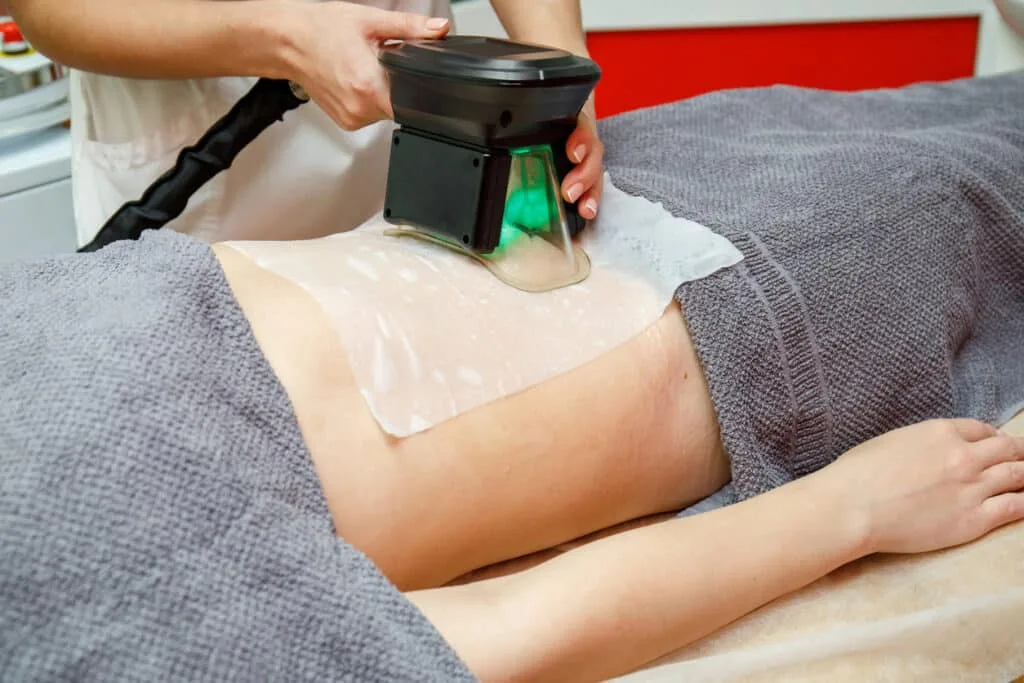
CoolSculpting works in stages. My first visit involved two treatments on my stomach. A month later, I returned for sessions on my right and left flanks (love handles). On my third visit, another round on my stomach completed the process. Each session takes about 35 to 60 minutes per area, depending on the size and number of applicators used.
The procedure itself is a mix of sensations. The machine uses controlled cooling and suction to pull the fatty tissue closer to the applicators. The cold wasn’t uncomfortable—in fact, it felt almost soothing. The suction, however, was another story. It’s not unbearable, but it does require a bit of mental toughness to get through. Think of it as a temporary discomfort for long-term results.
Post-Treatment Massage
After the cooling cycle, my doctor performed a two-minute massage on the treated areas. This step is crucial—it helps break up the frozen fat cells and may enhance results. But let me warn you: it hurts. The massage feels intense, almost like a deep tissue rub on already tender skin. The good news? The pain fades quickly. By the time I left the office, I was completely pain-free.
CoolSculpting Results: What I Noticed
CoolSculpting doesn’t deliver instant results. The body gradually eliminates the dead fat cells over the course of 2 to 4 months, so changes are subtle at first. I didn’t notice dramatic differences right away, but the before-and-after photos taken by my provider showed a clear reduction in my stomach area. My clothes fit looser, and my silhouette looked more streamlined—exactly what I’d hoped for.
I did experience some bruising on my love handles after the second session, but since it wasn’t bikini season, it wasn’t a concern. The bruises faded within a couple of weeks. Other potential side effects include redness, numbness, swelling, or itching, but these are usually mild and temporary.
What surprised me most was the psychological boost. Seeing even slight improvements motivated me to double down on my diet and exercise routine. CoolSculpting wasn’t a standalone fix—it was a catalyst for a healthier lifestyle.
CoolSculpting Pros and Cons
The Good
- Non-invasive: No surgery, incisions, or anesthesia required.
- Minimal downtime: You can return to normal activities immediately after treatment.
- Long-lasting results: Once fat cells are eliminated, they’re gone for good—provided you maintain a stable weight.
- Targeted fat reduction: Ideal for stubborn areas that don’t respond to diet and exercise.
The Not-So-Good
- Cost: CoolSculpting is expensive, with each session costing several thousand dollars. Most people need multiple treatments for optimal results, and insurance doesn’t cover it since it’s considered elective.
- Discomfort: The suction and post-treatment massage can be painful, though the discomfort is temporary.
- Side effects: Some patients report redness, numbness, swelling, bruising, or itching. Rarely, more serious side effects like paradoxical adipose hyperplasia (enlargement of the treated area) can occur.
- Not for everyone: CoolSculpting isn’t suitable for people who are pregnant, have autoimmune diseases, bleeding disorders, or are taking blood-thinning medications.
At-Home CoolSculpting Devices: Buyer Beware
You might have seen ads for at-home fat-freezing devices promising similar results at a fraction of the cost. While these gadgets do cool the skin, they lack the precision, suction, and medical oversight of professional CoolSculpting. The temperature must be carefully controlled to avoid damaging the skin, nerves, or muscle tissue. DIY attempts can lead to burns, scarring, or uneven results.
I briefly considered buying one of these devices, but after researching the risks, I decided against it. CoolSculpting is a medical procedure best left to licensed professionals. If you’re serious about fat reduction, stick to the experts.
Final Verdict: Is CoolSculpting Worth It?
For me, yes. CoolSculpting helped me achieve a slimmer, more contoured figure in areas where diet and exercise fell short. The results were gradual but noticeable, and the boost in confidence was worth the investment. That said, it’s not a one-size-fits-all solution. If you’re considering CoolSculpting, do your research, consult with a board-certified provider, and set realistic expectations.
Remember, no cosmetic procedure replaces the fundamentals of a healthy lifestyle. Pair CoolSculpting with a balanced diet, regular exercise, and good skincare for the best possible outcome. And if you’re on the fence, check out the official CoolSculpting website for more details on how it works and who it’s right for.
At the end of the day, the best version of you starts with feeling good in your own skin—CoolSculpting or not.