Cold Laser Therapy: The Non-Invasive Healing Power of Light
What Is Cold Laser Therapy and How Does It Work?
From ancient civilizations to modern medicine, light has long been recognized for its healing properties. In 1903, Danish physician Niels Finsen won the Nobel Prize in Medicine for using red light therapy to treat tuberculosis and smallpox. Decades later, NASA harnessed LED light to accelerate wound healing in astronauts, and in 2002, the FDA approved blue light therapy for acne treatment. Today, cold laser therapy—also known as low-level laser therapy (LLLT) or photobiomodulation—continues this tradition, offering a non-invasive, drug-free approach to healing and pain relief.
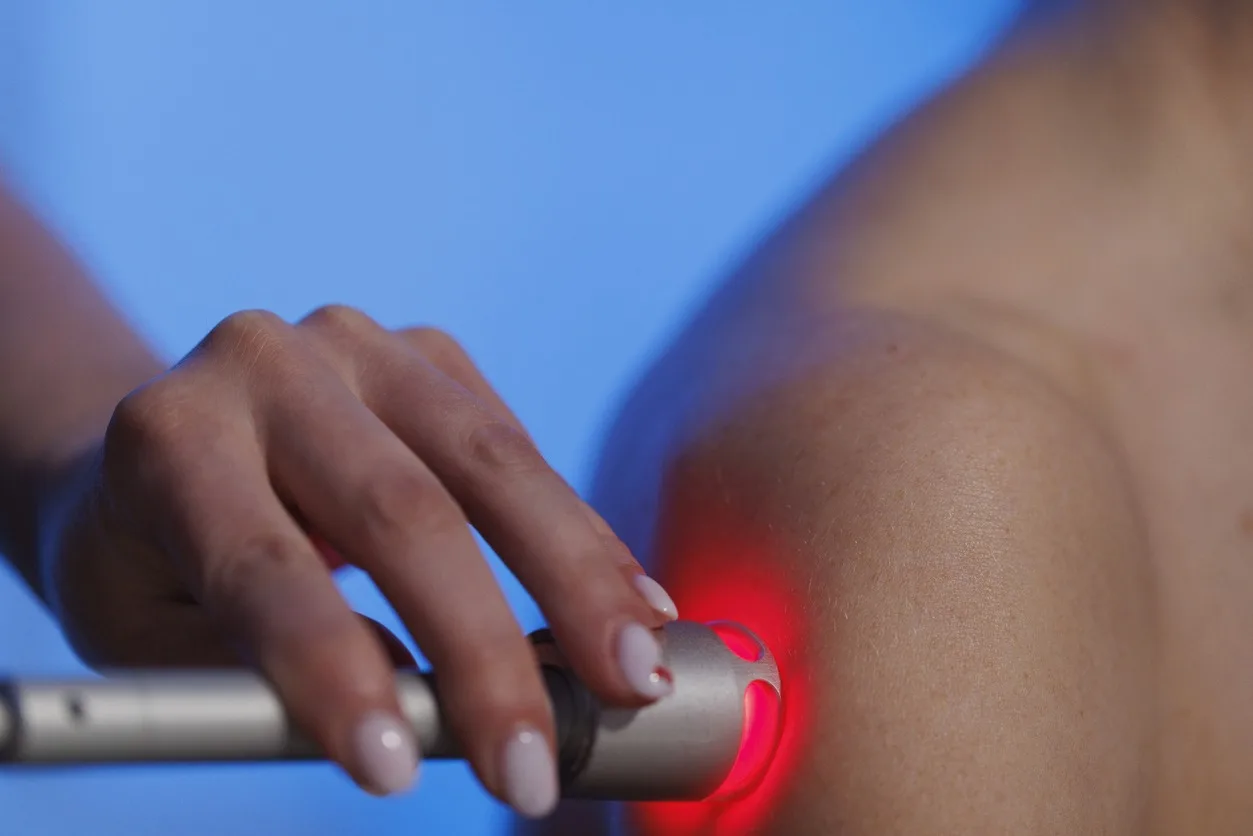
Cold laser therapy uses low-powered lasers or LEDs to deliver concentrated light energy to damaged or inflamed tissues. Unlike surgical lasers, which generate heat to cut or cauterize, cold laser therapy operates at wavelengths that stimulate cellular repair without raising tissue temperature. This makes it a safe, painless, and scar-free alternative to surgery or long-term medication use.
Other Names for Cold Laser Therapy
- Low-level laser therapy (LLLT)
- Low-power laser therapy (LPLT)
- Soft laser biostimulation
- Photobiomodulation
- Laser phototherapy
- Low-power laser irradiation
The treatment itself is quick and straightforward. A handheld device, roughly the size of a flashlight, is applied to the target area for seconds to minutes at a time. The light penetrates the skin’s outer layers (epidermis and dermis) and reaches deeper tissues, triggering a cascade of biological responses that promote healing, reduce inflammation, and alleviate pain.
How Cold Laser Therapy Differs from Red Light Therapy
At first glance, cold laser therapy and red light therapy may seem identical—they both use light to heal, after all. However, the key difference lies in the coherence of the light waves. Cold laser therapy uses coherent light, meaning the waves are highly synchronized and uniform, allowing for deeper tissue penetration. Red light therapy, on the other hand, uses non-coherent light, which is less uniform and doesn’t reach as deep.
This distinction makes each therapy better suited for different conditions:
- Cold Laser Therapy: Ideal for deep-seated issues like muscle injuries, joint pain, spinal disc problems, and lymphedema (swelling related to breast cancer treatment).
- Red Light Therapy: More effective for surface-level concerns, such as superficial joint pain, minor wounds, acne, and signs of aging (wrinkles, fine lines).
Both therapies are non-invasive and free of side effects, but their applications vary based on the depth of the issue being treated.
What Conditions Can Cold Laser Therapy Treat?
Cold laser therapy is a versatile treatment with a growing body of research supporting its effectiveness for a range of conditions. Some of the most well-documented benefits include:
- Pain Relief: Reduces acute and chronic pain, including that caused by arthritis (both rheumatoid and osteoarthritis), carpal tunnel syndrome, and temporomandibular joint disorder (TMJ).
- Wound Healing: Accelerates the healing of cuts, burns, and surgical wounds by stimulating cellular repair and increasing blood flow.
- Inflammation Reduction: Helps manage inflammation in conditions like tendonitis, bursitis, and sports injuries.
- Oral Health: Prevents and treats oral mucositis (painful mouth sores) in cancer patients undergoing chemotherapy or radiation.
- Lymphedema Management: Reduces swelling and discomfort in patients with lymphedema, particularly after breast cancer treatment.
- Nerve Regeneration: May aid in nerve repair and reduce neuropathy symptoms, such as tingling or numbness.
While cold laser therapy shows promise for these conditions, it’s important to note that results can vary. For example, it may improve mobility in cases of frozen shoulder or TMJ but may not fully eliminate associated pain. Research on its effectiveness for hair loss, traumatic brain injury, and lower back pain remains mixed, with some studies showing positive outcomes while others find little to no benefit.
Limitations and Drawbacks of Cold Laser Therapy
Despite its many advantages, cold laser therapy isn’t a one-size-fits-all solution. Here are some key considerations to keep in mind:
Cost and Accessibility
Cold laser therapy can be expensive, with sessions typically ranging from $50 to $250. Most treatments require multiple sessions—sometimes 10 or more—to achieve noticeable results. Unfortunately, insurance coverage is limited. Most providers only cover cold laser therapy for specific conditions, such as oral mucositis, leaving patients to pay out of pocket for other uses.
Time to See Results
Unlike pain medications, which can provide relief within hours, cold laser therapy works gradually. It may take several sessions before you notice improvements. However, it can be safely combined with other treatments, such as physical therapy or pain medications, to enhance overall results.
Safety Considerations
While cold laser therapy is generally safe for most people, there are a few precautions to consider:
- Avoid Use on Cancerous Lesions: The therapy should not be applied to or near cancerous tumors or carcinomas, as the effects on cancer cells are not fully understood.
- Pregnancy: Pregnant women are advised to avoid cold laser therapy due to a lack of conclusive research on its safety for unborn children.
- Eye Protection: Direct exposure to the laser can damage the eyes, so protective goggles are typically provided during treatment.
Is Cold Laser Therapy Right for You?
Cold laser therapy offers a compelling alternative for those seeking non-invasive, drug-free pain relief and healing. Its ability to reduce inflammation, accelerate recovery, and improve mobility makes it a valuable tool for managing chronic conditions, sports injuries, and post-surgical recovery. However, it’s not a miracle cure—results depend on the condition being treated, the severity of the issue, and the consistency of treatment.
If you’re considering cold laser therapy, the first step is to consult with a qualified healthcare provider. They can assess whether you’re a good candidate, discuss potential benefits and limitations, and help you determine if the treatment aligns with your health goals. For those who qualify, cold laser therapy can be a game-changer, offering a safe, effective way to improve quality of life without the risks of surgery or long-term medication use.
As research continues to expand, new applications for cold laser therapy are likely to emerge. For now, it remains a promising option for those looking to harness the healing power of light.
Note: For more information on photobiomodulation, you can explore resources from the National Center for Biotechnology Information (NCBI).