Chinese New Year 2026: Traditions, Taboos & How to Celebrate the Year of the Horse
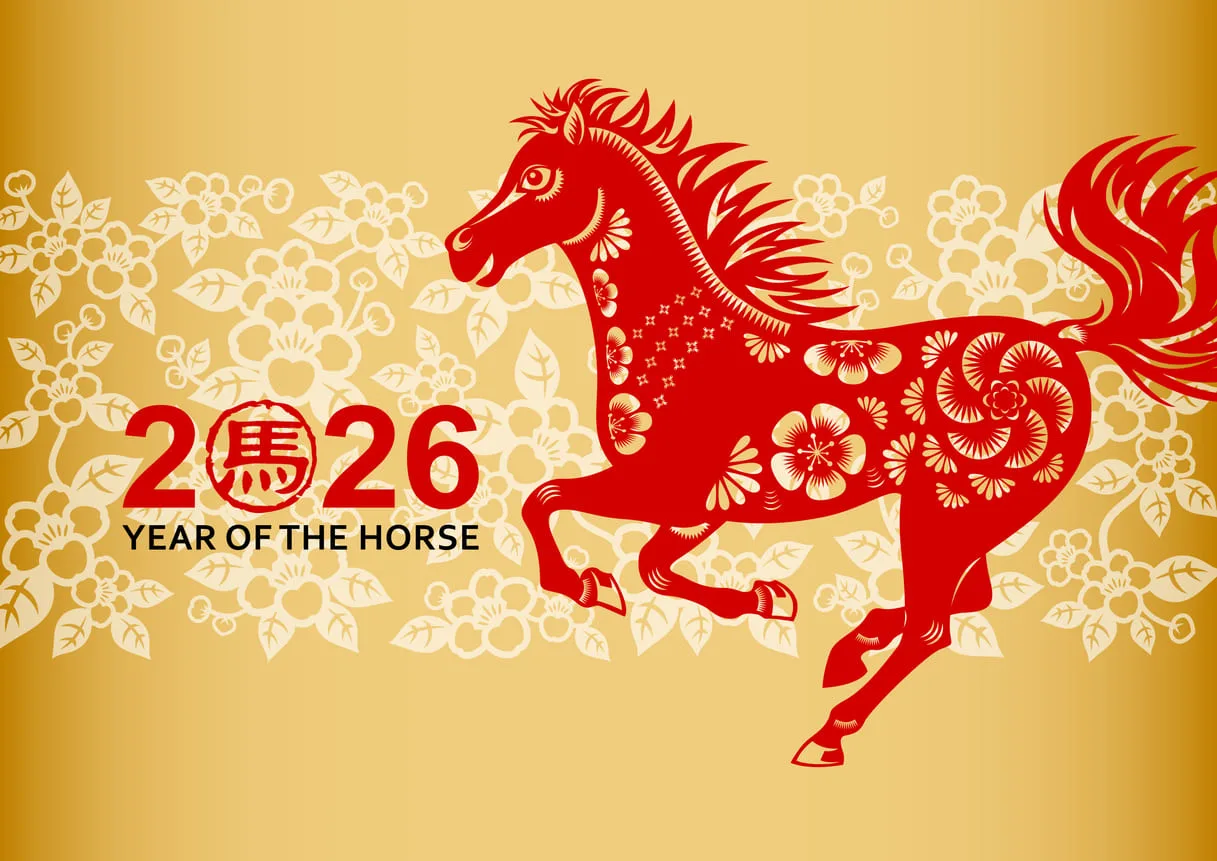
Chinese New Year 2026: The Year of the Horse
The Chinese New Year, also known as the Spring Festival, is one of the most vibrant and culturally rich celebrations in the world. In 2026, we welcome the Year of the Horse, a time of energy, adventure, and new beginnings. The Chinese zodiac, with its 12 animal signs, plays a central role in shaping traditions, predictions, and even personal decisions—from career choices to family planning.
If you’re curious about which zodiac animal represents your birth year, plenty of online tools can help you find out. But first, let’s dive into the heart of the celebration.
When Is Chinese New Year 2026?
The Chinese New Year is a 23-day extravaganza, packed with rituals, feasts, and festivities. Here’s the breakdown:
- Little Year (January 28 – February 4, 2026): The preparations begin! Families clean their homes, settle debts, and stock up on supplies to welcome good fortune.
- New Year’s Eve (February 4, 2026): The real party starts with family reunions, fireworks, and a lavish feast.
- Spring Festival (February 5 – February 19, 2026): The celebrations peak with lion dances, red lanterns, and the iconic Lantern Festival on the final day. This is when communities light sky lanterns, perform traditional dances, and enjoy sweet treats like tangyuan (sticky rice balls).
In some regions, like Thailand’s Yi Peng Festival, sky lanterns are released to honor the Buddha, Dharma, and Sangha—symbolizing the release of misfortunes and the welcoming of blessings.
How to Dress for Chinese New Year
The New Year is all about renewal. Wearing new clothes isn’t just a fashion statement—it’s a way to ward off evil spirits and invite good luck. Here’s why it matters:
- Symbol of a Fresh Start: New outfits represent shedding the old and embracing the new. For many, this is a rare splurge after a year of saving.
- Gifts from Family: Traditionally, new clothes are given as gifts by family members, symbolizing their wishes for prosperity and happiness in the coming year.
- Color Matters: Red is the most auspicious color, symbolizing luck and joy. Gold accents are also popular for adding a touch of wealth.
Imagine the streets of Shanghai during the Lantern Festival—crowded with people in vibrant reds, golds, and silks, all celebrating under a sea of glowing lanterns. It’s a sight to behold!
Chinese New Year Taboos: What to Avoid for Good Luck
Superstitions run deep during the Spring Festival. To ensure a year of prosperity and happiness, steer clear of these common taboos:
- Negative Words: Avoid words like “death,” “sickness,” or “poverty.” Even casual complaints can invite bad luck.
- Breaking Glass or Ceramics: This symbolizes broken fortune. If it happens, wrap the pieces in red paper, ask for peace, and dispose of them in a body of water after the holiday.
- Sweeping or Cleaning: You might think it’s a good time to tidy up, but sweeping could “sweep away” your good luck. The same goes for showering on New Year’s Day—it’s believed to wash away blessings.
- Sharp Objects: Scissors, knives, and even haircuts are off-limits. They’re said to “cut” your wealth and success.
- Visiting the Wife’s Family: Traditionally, married women celebrate with their husband’s family. Visiting her own family on New Year’s Day could signal marital trouble.
- Demanding Debt Repayment: The holiday is a time for joy, not financial stress. Pressuring someone for money could bring misfortune to both parties.
- Fighting or Crying: Resolve conflicts peacefully. Tears or arguments could set a negative tone for the year.
- Taking Medicine or Visiting the Doctor: Doing so might invite illness for the rest of the year.
- Giving Blessings in Bed: Wait until someone is out of bed to wish them a happy new year—otherwise, they might spend the year bedridden.
- Taboo Gifts: Avoid giving clocks (symbolizing “counting down” to death), umbrellas (associated with separation), or sharp objects.
The Tradition of Red Envelopes (Hongbao)
One of the most beloved customs is the exchange of red envelopes (hongbao), filled with money. These gifts symbolize wishes for peace, prosperity, and good health.
The Legend Behind Red Envelopes
According to folklore, an evil spirit named Sui would sneak into homes on New Year’s Eve, patting children on the head three times to curse them with illness. To protect their kids, parents placed coins wrapped in red paper by their pillows. When Sui appeared, the red paper and coins scared it away, saving the children. This tradition evolved into the modern-day red envelope.
Who Gives Red Envelopes?
Today, red envelopes are exchanged in various ways:
- Family Tradition: Middle-aged adults typically give red envelopes to children and elderly parents as a sign of respect and love.
- Social Custom: The practice has expanded to include friends, coworkers, and even acquaintances. It’s a polite gesture, a fun way to celebrate, or a networking tool in professional settings.
How to Receive a Red Envelope
If you’re lucky enough to receive a red envelope during a New Year’s visit, there’s a traditional way to accept it:
- If grandparents are present, they sit at the back of the room.
- Children and grandchildren perform kowtows—a deep bow where they kneel, place their hands on the ground, and touch their foreheads to their hands as a sign of respect.
- After the kowtow, the elders hand out the red envelopes.
This ritual reinforces family bonds and honors the wisdom of elders.
Final Thoughts: Embrace the Celebration
Whether you’re diving headfirst into all the traditions or simply joining in the festivities, the Chinese New Year is a time of joy, reflection, and hope. Remember to avoid the taboos, dress in your finest (preferably red!), and share the spirit of the holiday with loved ones.
For more on cultural traditions, check out National Geographic’s guide to Chinese New Year traditions.