Chest Pain in Women: When It’s Your Heart and When It’s Not
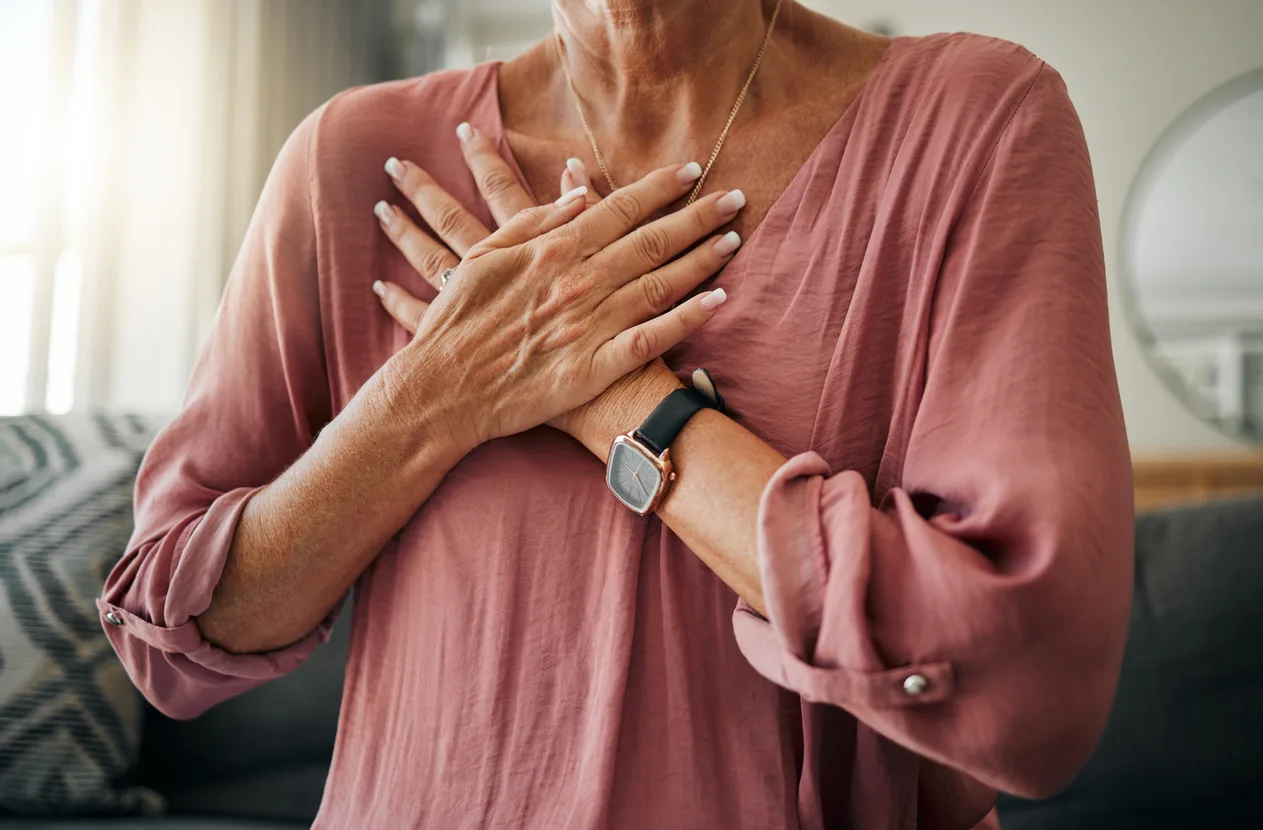
Chest Pain in Women: Don’t Ignore the Warning Signs
It can strike at any moment—while you’re sipping coffee at a café, taking a morning walk, or winding down after a long day. Suddenly, you feel a tightness or sharp pain in your chest. Your first thought: Is this a heart attack?
You’re not overreacting. Heart disease is the leading cause of death for women in the U.S., according to the CDC. But chest pain doesn’t always mean a heart problem. In fact, many conditions—some serious, others harmless—can trigger similar symptoms. The key is knowing the differences and acting fast when it counts.
Cardiac Chest Pain: When Your Heart Is the Culprit
Cardiac chest pain originates from the heart or its surrounding structures. While heart attacks are the most well-known cause, several other heart-related conditions can also lead to chest discomfort. Here’s what to watch for:
Angina: The Heart’s Warning Signal
Angina occurs when reduced blood flow to the heart causes pain or pressure. Women often describe it as squeezing, heavy, or tight, and it may spread to the neck, jaw, shoulders, or back. Unlike men, women are more likely to experience atypical symptoms like nausea, abdominal pain, or shortness of breath.
- Stable Angina: The most common type, often triggered by physical exertion. It usually lasts five minutes or less and improves with rest or medication. Once diagnosed, it’s predictable and manageable.
- Unstable Angina: A medical emergency. It can occur at rest or during activity, lasts 30 minutes or longer, and doesn’t ease with rest or medication. Seek immediate medical attention if you experience these symptoms.
- Variant Angina: Rare and caused by artery spasms. The pain is sudden and severe, often striking at rest but may be relieved by medication.
Other Heart-Related Causes
- Aortic Dissection: A life-threatening tear in the aorta’s inner layer. The pain is intense, often described as tearing or ripping, and may be accompanied by a weak pulse, vision problems, or difficulty speaking. This is a medical emergency—call 911 immediately.
- Mitral Valve Prolapse: A condition where the heart valve doesn’t close properly. It may cause dizziness, palpitations, shortness of breath, or occasional chest pain. While often harmless, it should be monitored by a doctor to prevent long-term heart damage.
- Heart Attack (Myocardial Infarction): Blocked blood flow to the heart causes permanent damage. Women may experience cold sweats, sleeplessness, nausea, or severe fatigue, but the most common symptom is chest pain or pressure that radiates to the arms, back, neck, or jaw. The pain can last minutes or come and go. Every second counts—call 911 if you suspect a heart attack.
- Myocarditis: Inflammation of the heart muscle, often caused by infections or diseases. Symptoms mimic a heart attack, including chest pain and shortness of breath. Without treatment, it can lead to arrhythmias, blood clots, or permanent heart damage.
- Pericarditis: Inflammation of the sac around the heart. The pain resembles angina or a heart attack and may worsen when lying down or breathing deeply. Causes include viral infections, kidney failure, or heart surgery.
Non-Cardiac Chest Pain: When It’s Not Your Heart
Not all chest pain is heart-related. Many conditions—some mild, others serious—can cause discomfort in your chest. Here are the most common culprits:
Musculoskeletal Pain: Strains, Injuries, and More
Chest pain can stem from issues with the muscles, bones, or cartilage in your chest. For example:
- Costochondritis: Inflammation of the rib cartilage, often causing sharp pain that worsens with movement or deep breaths.
- Rib Injuries: Bruised or broken ribs can mimic heart pain, especially if the injury is near the sternum.
- Muscle Strains: Overuse, heavy lifting, or chronic conditions like fibromyalgia can lead to chest wall pain. This type of pain often increases with movement, coughing, or sneezing.
Musculoskeletal pain is usually localized—you can often pinpoint the tender spot by pressing on the area. It may also be accompanied by upper back pain.
Digestive Issues: When Your Stomach or Esophagus Is to Blame
Your digestive system shares nerve pathways with your heart, so problems here can feel like cardiac pain. Common causes include:
- Acid Reflux (Heartburn): The most frequent culprit. Stomach acid flowing back into the esophagus causes a burning sensation in the chest, often after eating or lying down. Unlike a heart attack, the pain usually improves with antacids or movement.
- Esophageal Spasms or Ruptures: Spasms in the esophagus can cause intense chest pain, while a rupture (like a Mallory-Weiss tear) may lead to severe, sudden pain.
- Gallbladder or Pancreas Issues: Inflammation in these organs can cause abdominal pain that radiates to the chest.
- Hiatal Hernia: A condition where part of the stomach pushes through the diaphragm, leading to chest pain, especially after eating.
- Peptic Ulcers: Open sores in the stomach or small intestine can cause burning or gnawing pain that may be felt in the chest.
Other Causes of Non-Cardiac Chest Pain
- Pulmonary Embolism: A blood clot in the lungs can cause sudden, sharp chest pain, often accompanied by shortness of breath, coughing, or coughing up blood. This is a medical emergency—seek help immediately.
- Pneumonia or Lung Infections: Infections in the lungs can cause chest pain, especially when breathing deeply or coughing.
- Anxiety or Panic Attacks: Intense stress or anxiety can trigger chest pain, often described as a sharp or stabbing sensation. It may be accompanied by rapid heartbeat, dizziness, or hyperventilation.
- Shingles: Before the rash appears, shingles can cause a burning or stabbing pain in the chest, often on one side.
When to Seek Emergency Care
Chest pain should never be ignored, especially if it’s sudden, severe, or accompanied by other symptoms. Call 911 or go to the nearest emergency room if you experience:
- Crushing, squeezing, or heavy pressure in the chest
- Pain that spreads to the arm, back, neck, jaw, or stomach
- Shortness of breath, sweating, nausea, or dizziness
- Sudden weakness or numbness in the arms or legs
- Rapid or irregular heartbeat
- Pain that lasts more than a few minutes or comes and goes
Even if the pain turns out to be non-cardiac, it’s always better to err on the side of caution. Early intervention can save lives, especially when it comes to heart-related conditions.
What to Do Next
If you experience chest pain, don’t wait to see if it goes away. Here’s what to do:
- Stay Calm: Panicking can worsen symptoms. Sit down and focus on your breathing.
- Call for Help: If the pain is severe or accompanied by other symptoms, call 911 immediately.
- Take Aspirin (If Recommended): If you suspect a heart attack and aren’t allergic to aspirin, chewing a regular-strength aspirin (325 mg) can help thin your blood. Only do this if advised by a healthcare professional or emergency operator.
- Avoid Driving Yourself: If you’re alone, call an ambulance. Driving yourself puts you and others at risk.
- Seek Medical Evaluation: Even if the pain subsides, see a doctor to rule out serious conditions.
Remember, chest pain in women can be subtle and easy to dismiss. Trust your instincts—if something feels wrong, it’s worth getting checked out. Your health is too important to ignore.