Breaking Free from Junk Food: Your Path to Healthier Eating
Breaking Free from Junk Food: Your Path to Healthier Eating
Despite the growing trend of healthy eating and the plethora of nutritious meal recipes available, many individuals still grapple with cravings for unhealthy foods. Some even find themselves addicted to products like chocolate, vegetables, or salty snacks. Let’s explore why we experience these cravings and how to overcome them.
Understanding Sugar Cravings
If you’re constantly craving something sweet, it might be due to fluctuations in your blood sugar levels. Throughout the day, your glucose levels change, and your body attempts to restore its natural sugar balance. However, consuming more sugary foods won’t help stabilize your blood sugar; it will only increase your hunger. Additionally, sugar triggers the release of endorphins, which can make you feel happy and energetic, similar to the effects of alcohol.
To combat sugar cravings, opt for fruits like berries and apples, as well as leafy greens and cabbage, which contain calcium to help curb constant hunger. To manage carbohydrate levels, incorporate intense workouts into your routine.
The Allure of Chocolate
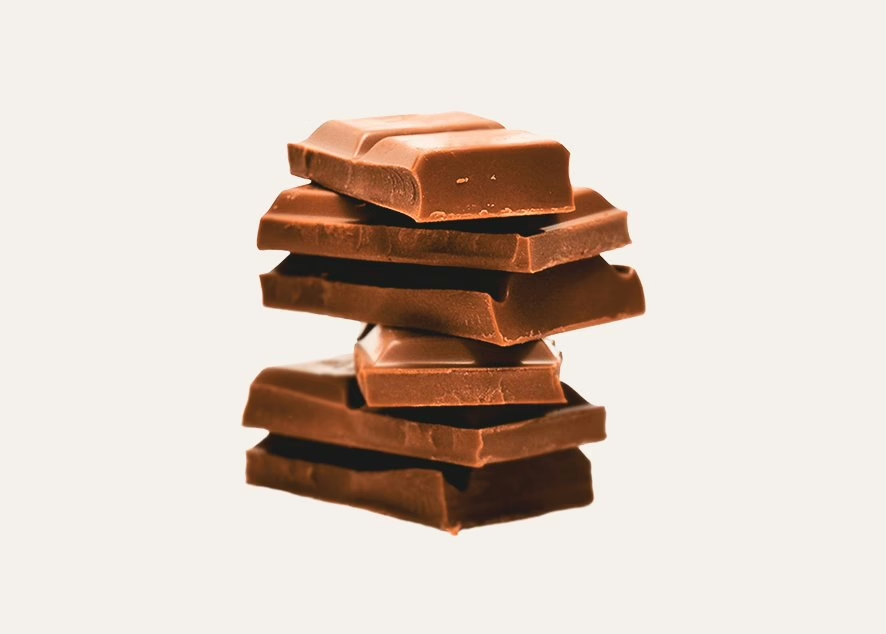
Eating chocolate during stressful times can become a habit that’s hard to break. Chocolate increases serotonin levels in the brain, leading to feelings of happiness and pleasure, which can be addictive. Chocolate cravings may also be due to hormonal imbalances or deficiencies in vitamin B or magnesium, both of which are abundant in chocolate.
While it’s okay to indulge in a little chocolate each day, try to pair it with healthier options like nuts, bananas, lemons, or a sauté of spinach, olive oil, and greens.
Fast Food Cravings
Craving fried foods and juicy burgers after a long day or during lunch breaks may indicate that your body needs more fats. However, not all fats are created equal. If you’re not consuming enough fish oil, your body may crave essential fatty acids like Omega-3. Since our bodies don’t produce these acids but need them, you can find them in natural oils like vegetable, olive, or hemp oil. Additionally, foods like nuts and avocados are rich in healthy fats.
The Need for Salt
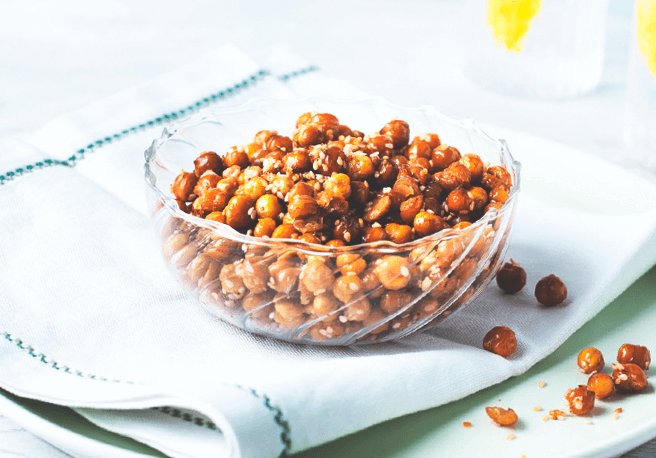
A sudden craving for something salty, like chips, might signal an iron deficiency. To address this and reduce your intake of high-sodium foods, incorporate iron-rich foods like green salads, milk, and yogurt into your diet. During intense physical activities, your body loses essential electrolytes such as sodium, potassium, and magnesium through sweat. This loss can also trigger salt cravings.
To combat this, eat foods like potatoes, avocados, spinach, bananas, and yogurt, which are rich in sodium and magnesium. Also, include seafood, meat, vegetables, and legumes, which are high in potassium.
Snack Attacks
Constant snacking during work might be a sign of dehydration. Instead of reaching for a snack, try drinking a glass of water. Many people don’t drink enough water throughout the day, often replacing it with tea, coffee, or carbonated beverages. Signs of dehydration include cravings for something sweet, salty, or fatty, as well as changes in your skin, hair, and face. Next time you crave something unhealthy, try drinking a glass of water first.
Cravings for Fruits and Vegetables
Cravings aren’t limited to sugar or salt; you might also find yourself craving fruits and vegetables. This could indicate that your body needs vitamin C, iron, calcium, or magnesium. While fruits and vegetables are healthy, it’s important not to overindulge. Balance your diet by mixing greens and vegetables with meat products and carbohydrate-rich foods. Pair fruits containing sugar with nuts, cottage cheese, and yogurts, and occasionally indulge in chocolate or baked goods. If you’re eating a lot of “green foods,” try incorporating foods of other colors to diversify your diet.