Breaking down protein: Why it’s important for your health and its top sources
Understanding Protein: Its Importance for Health and Top Sources
Protein is crucial for everyone, from athletes to the elderly. But how do you know if you’re getting enough, and can you have too much? There’s a significant focus on protein these days, and for good reason—it’s essential for good health.
What is Protein?
Protein is the building block of the body. There are nine essential amino acids that we can only obtain from food. Without them, we couldn’t develop strong bones, muscles, healthy hair, or nails. Our bodies need proteins and amino acids to produce vital molecules such as enzymes, hormones, neurotransmitters, and antibodies. Without adequate protein intake, we simply can’t function well.
Moreover, among the three basic macronutrients—fat, carbohydrates, and protein—protein is the only one that isn’t often viewed with suspicion due to years of low-fat and low-carb diet advice. But how much protein do we really need, and what’s the best way to get it?
How Much Protein Do We Need?
According to nutritionists, the basic recommendation for healthy adults is 0.8 grams of protein per kilogram of body weight. This means a person weighing 70kg would need to consume 56g of protein a day.
“This is the amount of protein, not the amount of protein-rich food,” explains a nutrition expert. “To get 56g of protein, you need to consume 280g of meat or almost three cups of lentils or legumes. This amount is only to prevent protein deficiency, though. It’s not necessarily optimal, particularly for athletes who train regularly. For people doing high-intensity training, protein needs can go up to 1.4-2g per kg of body weight.”
This doesn’t mean you need to overindulge in protein bars after every gym session. Depending on the timing of your workout, eating a meal that contains a good amount of protein within an hour after exercise should be adequate for recovery and muscle maintenance.
It’s not only athletes who need to increase their protein intake—it’s actually more important for an elderly woman to have a protein shake than some young, muscular person in the gym. A recent study in Finland found that adequate protein intake is associated with a reduced risk of frailty in older women (adequate was defined as at least 1.1g per kg of body weight for people over 65).
In terms of food, the Finnish recommendation would be 77g of protein daily for an average person. You could get roughly that amount from:
- Two large eggs (13g)
- Two slices of wholegrain bread (8g)
- Half a cup of yogurt (10g)
- A small chicken breast (33g)
- A handful of peanuts (9g)
Both older women and men benefit from a protein-rich diet. Research has shown that those who ate the most protein were significantly less likely to become functionally impaired than those who ate the least. The research also suggests that it’s better to spread protein consumption evenly throughout the day.
“We can only store so much protein at one time,” says the nutritionist. “You can’t simply eat a 1kg steak once and be done with it. The body needs protein stores to be continually replenished, which means you should consume moderate amounts of protein at regular intervals.”
Benefits of Protein
Not only is protein essential for growth and muscle repair, but it also gives us a feeling of satiety, meaning we feel full and satisfied when we eat it. Having protein, along with fat and carbs at every meal, helps to balance the meal so you feel fuller for longer. You have fewer cravings, your energy is renewed, and you have mental and cognitive clarity.
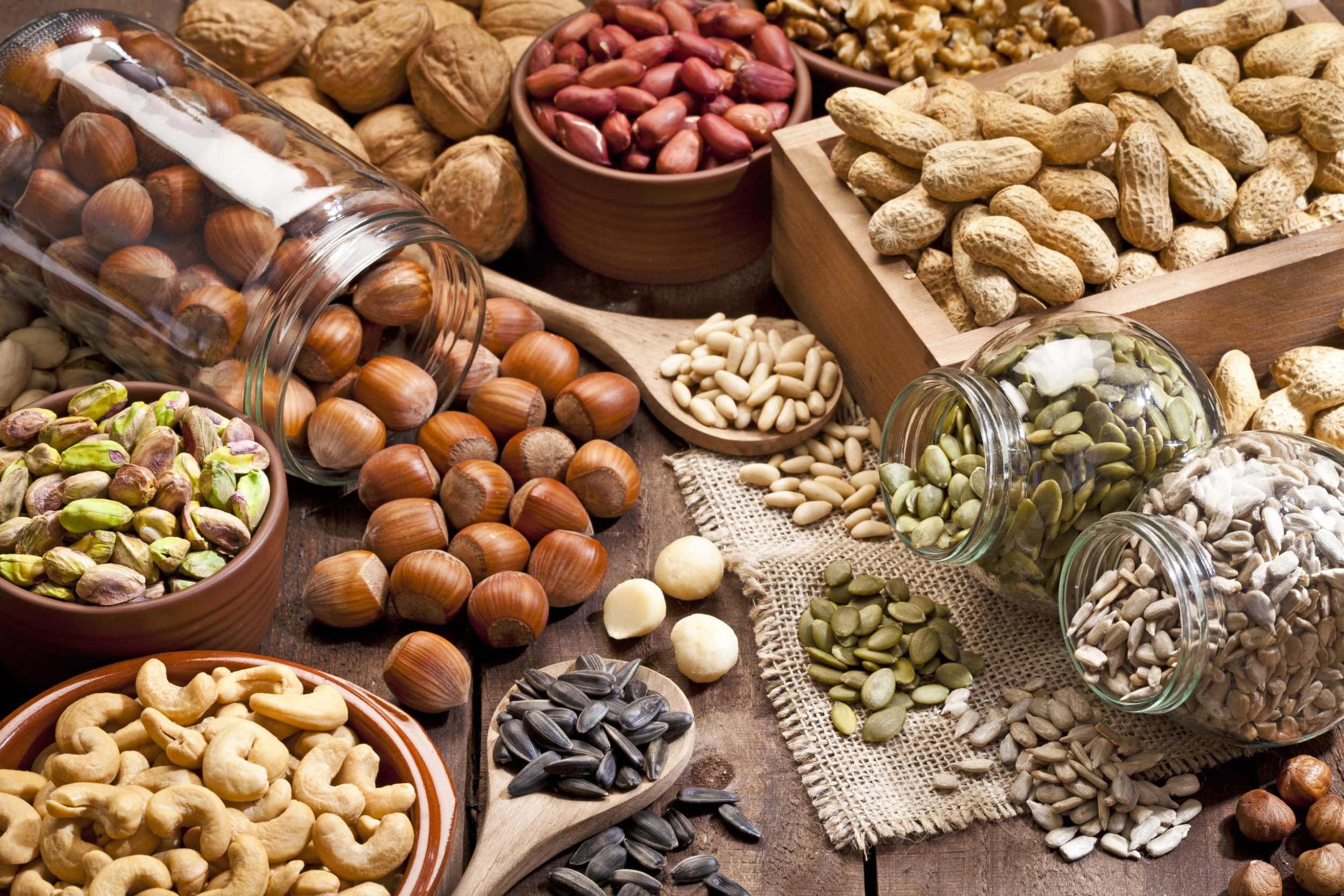
If you’re vegan, you need to plan carefully to get your daily doses of protein. Instead of meat, chicken, fish, and eggs, you can get your protein from soy-based tofu and tempeh, lentils, split peas, soy-based yogurts, nuts, seeds, wholegrains, and textured vegetable protein. When choosing alternative milks, such as soy or almond milk, opt for ones with extra protein and iron added.
There is a place for protein shakes and supplements in addition to a balanced diet. Complete amino acid supplements are often recommended for vegans, vegetarians, fussy eaters, and those who struggle with fatigue. Amino acids are used inside our mitochondria to produce adenosine triphosphate (ATP), which is our body’s energy currency.
When choosing protein powders, look for those without unnecessary ingredients for your liver to process, and be cautious of added preservatives and additives in some protein bars. They’re okay for an emergency snack, but just because they’re ‘low carb’ or ‘high protein’ doesn’t mean they’re healthy.
Can You Overdo It?
It’s important to remember that protein is just part of a good diet. Focusing on protein while neglecting fruits, vegetables, fats, and wholegrains is another form of disordered eating. However, it’s unlikely that you’re in danger of overdosing on protein.
“The most we need to consume throughout the day for protein synthesis probably isn’t more than 1.4 to 2g per kg,” says the nutritionist. “It is possible to convert excess protein into fat or sugar in the body, but it’s not something the body does regularly. There has always been some concern that too much protein is bad for the kidneys, but this is not true for healthy individuals.”
For more information, visit NCBI.