Belgrade: A City Reborn 38 Times – Your Next Must-Visit Destination
Discover Belgrade: A City of Resilience and Charm
If you haven’t been to Serbia yet, now is the time to visit its capital, Belgrade. Imagine strolling through streets lined with blooming magnolias, exploring two historic centers, and enjoying the lively pedestrian streets with a European flair. The majestic Danube River adds to the city’s allure. Journalist Veronika Solovei recently visited and fell in love with this vibrant city.
Belgrade: A Historical Gem
Belgrade is one of Europe’s oldest cities. For centuries, it served as a buffer between the Ottoman Empire and Europe, yet it managed to preserve its unique culture, religion, and identity. The city’s energy and richness are palpable from the moment you arrive. Visiting Belgrade feels like experiencing multiple cities in one. Known as the “Balkan Gate,” Belgrade offers a wealth of attractions.
Travel Tips
Belarusian tourists do not need a visa to visit Serbia. Although there are no direct flights from Minsk to Belgrade, you can easily reach the city with a layover in Warsaw or Istanbul.
A City Reborn 38 Times
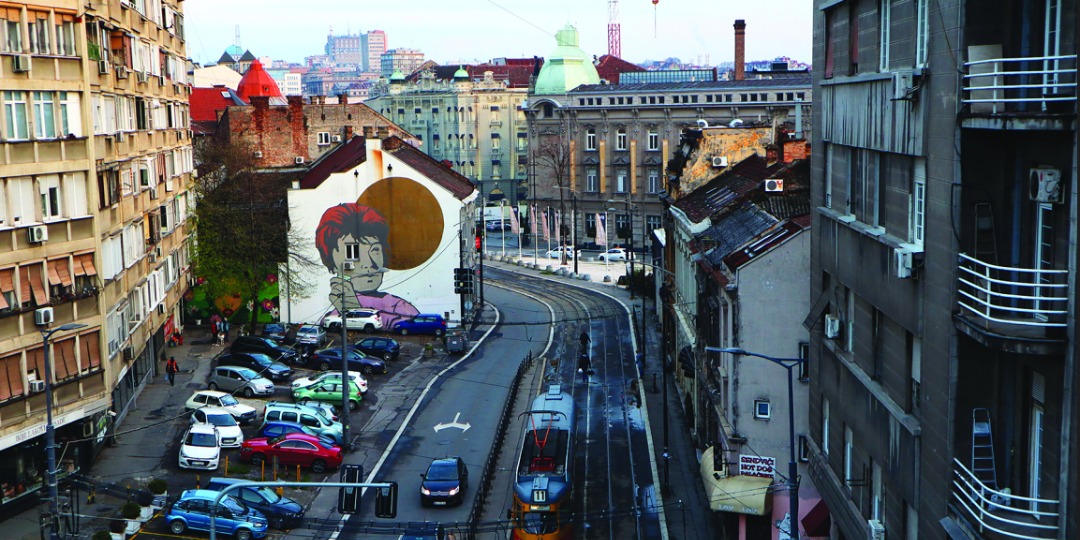
Belgrade has been destroyed and rebuilt 38 times! The journey from the airport to the city center is quick, covering just 18 kilometers. If you stay in the heart of the city, you won’t need public transportation as all major attractions are within walking distance. For those staying further out, trams are a convenient way to explore the central streets.
A Rich History
Belgrade’s history is fascinating. The first settlement on this site was the Celtic town of Singidunum, built in the 3rd century BC. Nearby, ruins of a Neolithic settlement have been discovered. Over the centuries, Belgrade was fought over by various nations, including Hungarians, Turks, and Austrians. It was destroyed and rebuilt 38 times before becoming the capital of Serbia in 1841.
Preserving Identity
Despite its many transformations, Belgrade has retained its unique character. The city seamlessly blends different eras, cultures, and traditions, creating a warm and inviting atmosphere.
The Fortress: A Journey Through Time
Begin your exploration of Belgrade with a visit to the fortress on the scenic hill where the Sava and Danube rivers meet. This historic site offers stunning views and is a favorite spot for both locals and tourists. The fortress, known as Kalemegdan, is rich in history, with traces dating back to the 1st century AD. It has been occupied by Romans, Byzantines, Bulgarians, Hungarians, Turks, and Austrians, and has been destroyed and rebuilt multiple times.
Exploring the Fortress
The fortress can be accessed through 12 gates, each leading to wooden bridges over defensive moats. Inside, you can see ruins of Roman settlements, remnants of Byzantine castles, and 18th-century Stambul Gate. The fortress also features towers, artillery platforms, and a beautiful landscape park. Nearby, the military museum houses over 30,000 exhibits.
Cultural Hub
The fortress area is surrounded by parks, restaurants, and cafes with breathtaking views. In the evenings, the city lights create a magical atmosphere. Interestingly, a tennis court is located near the fortress, reflecting the Serbians’ love for sports. A monument to the Victor, with its athletic forms, stands as a testament to this passion.
Modern Belgrade: A Blend of Old and New
Next, head to the modern central part of the city. Cross the road from the fortress to reach the local “Arbat,” known as the “Circle of Two.” This micro-district in the old center of Belgrade is a hub of activity.
Artistic Atmosphere
As you walk through the old town, you’ll encounter authentic buildings, street art exhibitions by local artists, vibrant colors, and enticing aromas from numerous cafes. This lively, creative atmosphere is truly inspiring.
Knez Mihailova Street
Knez Mihailova Street, a pedestrian zone, is a must-visit. It is listed as a monument of exceptional importance in the Republic of Serbia. The buildings, constructed in the 1870s, showcase various architectural styles yet create a harmonious ensemble. The spacious, pleasant environment and the diverse crowd, present day and night, add to the charm.
Republic Square
Heading towards the main administrative buildings, you’ll reach Republic Square, the cultural heart of the city. Built on the site of the Stambul Gate, the square is surrounded by theaters, cinemas, museums, and concert halls. Locals often arrange meetings “under the horse,” referring to the equestrian statue of Prince Michael.
Historical Buildings
Explore the central streets of King Milan and Alexander to see more historic buildings. Visit the Royal Palaces, the Serbian Parliament, the Church of St. Mark in the picturesque Tasmajdan Park, and the Russian Church of the Holy Trinity, where Baron Wrangel is buried.
Skadarlija Street
Don’t miss Skadarlija Street, but leave your heels at home as the road is paved with cobblestones. This pedestrian quarter is often compared to Paris’s Montmartre. It is filled with the spirit of old Belgrade, featuring art galleries, antique shops, street artists, graffiti-covered walls, and live music in the evenings. Here, you truly feel part of the local culture.
Elite District and Waterfront
Take a stroll through the elite district of Topcider, with its mansions surrounded by cozy park-like courtyards. Relax by the water on the recently renovated waterfront, which offers numerous cafes, lively spots, and a stunning view of Belgrade’s most beautiful bridge.
Cultural Treasures
The National Museum of Belgrade is a must-visit. It houses over 400,000 exhibits, including works by Van Gogh, Matisse, Picasso, Cezanne, Kandinsky, Modigliani, Rubens, Rembrandt, and Bosch. The city also has a museum dedicated to Nikola Tesla, the great scientist who “invented the 20th century.”
Hotel Moskva
Don’t miss the legendary Hotel Moskva, a landmark of the city. Built in the Art Deco style, the hotel exudes luxury with its marble, ceramic, and mosaic facades. The interior features paintings by renowned artists. Opened in 1908, the hotel has hosted famous actors, politicians, and artists. The restaurant offers excellent cuisine and the best desserts prepared according to Austro-Hungarian recipes.