Belarusian Druskininkai: A Grodno Resident’s Quest to Preserve Healing Forest Springs
Belarusian Druskininkai: A Grodno Resident’s Quest to Preserve Healing Forest Springs
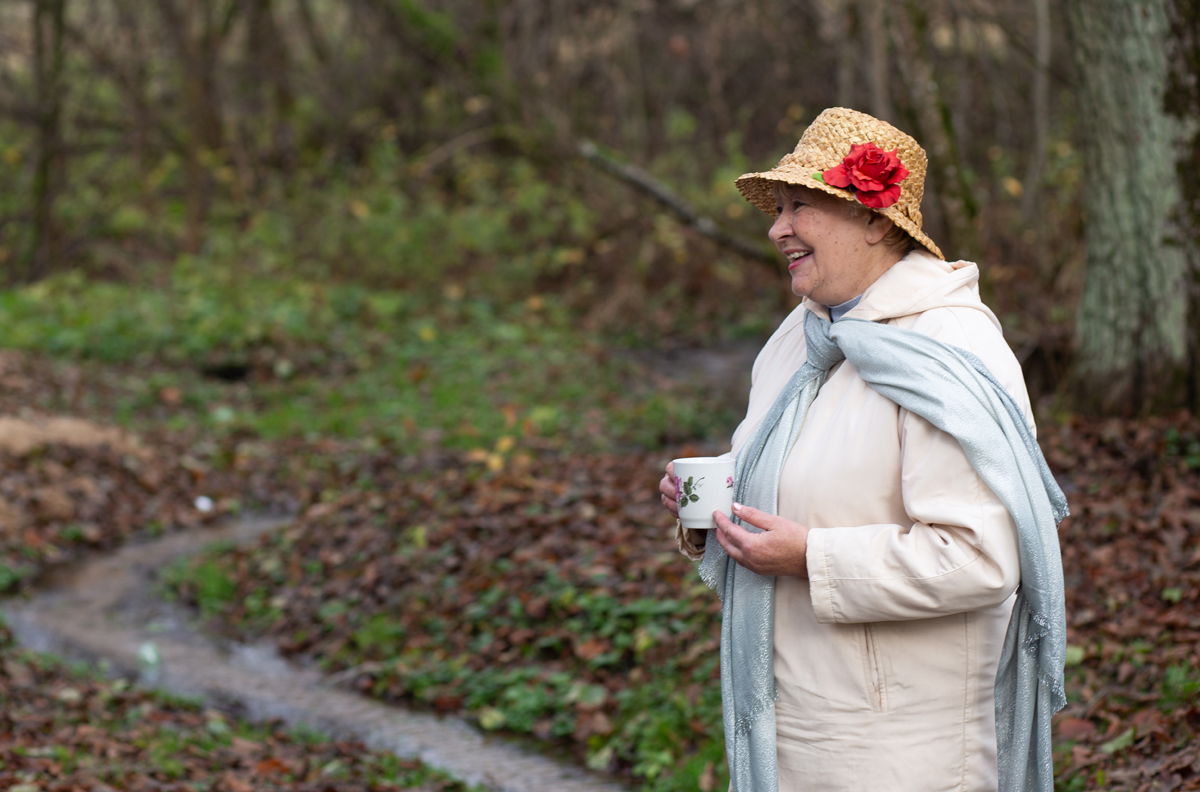
In the Grodno region of Belarus, four springs near the villages of Privalki and Krinichnaya are on the verge of becoming natural monuments, thanks in large part to the efforts of Teresa Belousova. Her connection to these springs is deeply familial. Teresa’s grandmother had the ability to “charm” the streams, and Teresa herself has been instrumental in attracting academics, officials, and project funding to transform these lands into a resort area, improving and protecting the wonderful springs. Notably, she also named the previously unnamed springs, and the names have stuck. Join us as we explore these locations on the route from Grodno to Privalki to Krinichnaya and back to Grodno.
The Healing Properties of the Springs
In 2021, scientists analyzed the water from the springs named after Eliza Ozheshko, Raygorod, Marianna, and Sto Krinits. They discovered that the water is mineralized, mixes with underground mineral sources, is rich in oxygen, and possesses healing properties. Long before this scientific confirmation, local healers used the water to treat various ailments, and residents of Grodno still visit these springs with cans and bottles to collect the water.
The Rejuvenating Spring of Eliza Ozheshko, Privalki Village
Privalki village is situated near the border with Lithuania, just a few kilometers from Druskininkai. The area is energized by underground mineral springs, pine forests, and oak groves. The writer Eliza Ozheshko often visited this place on her way to the resort, stopping at the spring in Privalki. The water from this spring was even brought to her home in Grodno.
On the outskirts of the village flows an open spring, where people constantly gather, sometimes forming a queue. In the autumn, a small table and a sculpture of Eliza Ozheshko, crafted by master Nikolay Sklyar, appeared here. The village council promises to cover the sandy path with a wooden deck in the spring.
Teresa Belousova shares that the water from this spring has rejuvenating properties for the skin. To reduce wrinkles, it is best to visit and wash your face on-site early in the morning or late in the evening. The sun’s rays can alter the chemical composition of the water. Additionally, the water helps with skin diseases (treating eczema, spots, cuts), improves sleep, and boosts mood. For these benefits, the water can be collected at any time of day.
Scientific Confirmation of Healing Properties
The healing properties of the springs are not just based on folk observations and experiences. Recent studies of the water composition and conclusions were made by scientists from several institutes of the National Academy of Sciences of Belarus (neurology and neurosurgery, republican center of hygiene, institute of nature management, institute of physiology). A conclusion dated October 26, 2021, confirms the unique properties of all four springs: “The water is chloride-carbonate, sodium-calcium, weakly mineralized, and soft in chemical composition. It can be used for therapeutic and prophylactic purposes.”
The uniqueness of the chemical composition, location, and legends allows these springs to aspire to the status of a Natural Monument. Currently, the National Academy of Sciences of Belarus is handling the necessary documentation.
The Wish-Fulfilling Spring of Raygorod in the Neman Depression
The second spring in Privalki village is located at the entrance to the village, in the lowest place in Belarus. It is well-known due to its easy access from the highway to Druskininkai. However, its location also harms the spring.
About 15 years ago, a mysterious restaurant-house appeared here, along with water intake facilities and drains. The house served as a hotel and entertainment venue for a while but is now abandoned. Nearby is a parking lot for trucks, with long queues of trucks heading to the border. The roadside is saturated with gasoline and exhaust fumes. Drivers collect water from the spring for technical and personal needs.
From the road, a path leads to the spring, made back in Soviet times. The spring itself is decorated with stone tiles, also from ancient times. The spring flows from the ground and disappears among the powerful firs and ferns of the Neman Depression, directly into the mysterious valley of Raygorod, which, according to legend, swallowed an entire city for its sins.
The owners of the cottage did nothing for the improvement of the spring, simply using nature for household purposes. But the water here is “alive.” It helps with gastrointestinal diseases: plaques, duodenal diseases, and “stones.” It is used in gynecology and the postoperative period.
There is a family legend that once there were many buildings near the spring: chickens, goats, and horses lived here. One day, Teresa’s grandmother Marianna came to the spring, fell, and lost consciousness. In her dream, she saw a beam of light and a voice saying, “Marianna, remove the animals, remove the geese, remove everything.” And the water from the spring disappeared. Grandmother gathered all the relatives, and together they cleaned everything in three days. Marianna took the rosary, went to the church, and prayed to the Mother of God. After praying, she went to the spring, fell again, and lost consciousness. She woke up in the water: the spring came back to life.
Teresa’s grandmother, Marianna, was a healer and treated diseases with spring water.
You can make wishes on this spring: drink a little water from a glass, make a wish, and go to bed. In the morning, finish drinking the water, and the wish will come true. You can also prepare tea. Teresa Belousova shared how to properly use spring water:
Water for tea is collected early in the morning, before sunrise. And necessarily in a glass container. Do not bring to a boil, throw berries, leaves, or roots of plants into hot water: strawberries to maintain tone; lingonberries for kidney stone disease; blueberries for digestion; raspberries for colds. And you need to wait until it is infused for no more than 20 minutes.
The Healing Spring of Marianna near Krinichnaya Village
Near Krinichnaya village, there is another sign pointing to the spring. You can orient yourself by the “Border Zone” sign at the turn into the forest. You need to turn off the highway, drive a little along the forest road, and on the left, you will see a path leading into the ravine. The forester of the Grodno forestry, Alexander Vitkovsky, built the stairs himself and covered the open section of the spring with pipes. He constantly drinks water from this source and believes that it brought him back to life and saved him from illness.
The spring is named after the local healer Marianna, who used this water for headaches, pressure, blood diseases, sleep problems, and eye issues. “My mother had excellent vision; at 80 years old, she could thread a needle,” says Teresa Belousova.
The water from this spring cannot be boiled, only heated. Family history has preserved Marianna’s grandmother’s recipes.
For colds, you need to rinse cherry pits in spring water, soak them in it for several hours, and dry them. Store them in a linen bag. As needed, heat the pits in the oven or microwave, return them to the bag, and apply them to the neck or nose. They hold heat all night.
As a sleeping pill, drink a glass of water at room temperature at night.
For indoor plants, from midges, insects: wash, dry, and crush chestnuts. Soak them in spring water for 10-15 days and water them.
For general physical condition and strengthening immunity: drink 5-6 glasses of spring water at room temperature per day.
The Silver-Containing Spring of 100 Springs
You can find the sign near Krinichnaya village. A real forest spring, outwardly the most ordinary, babbling, winding among the grasses on the edge, and…
For more information on the best travel destinations in Belarus, you can visit this authoritative source.