Banish Age Spots for Good: Proven Ways to Fade & Prevent Sun Damage
What Are Age Spots and Why Do They Appear?
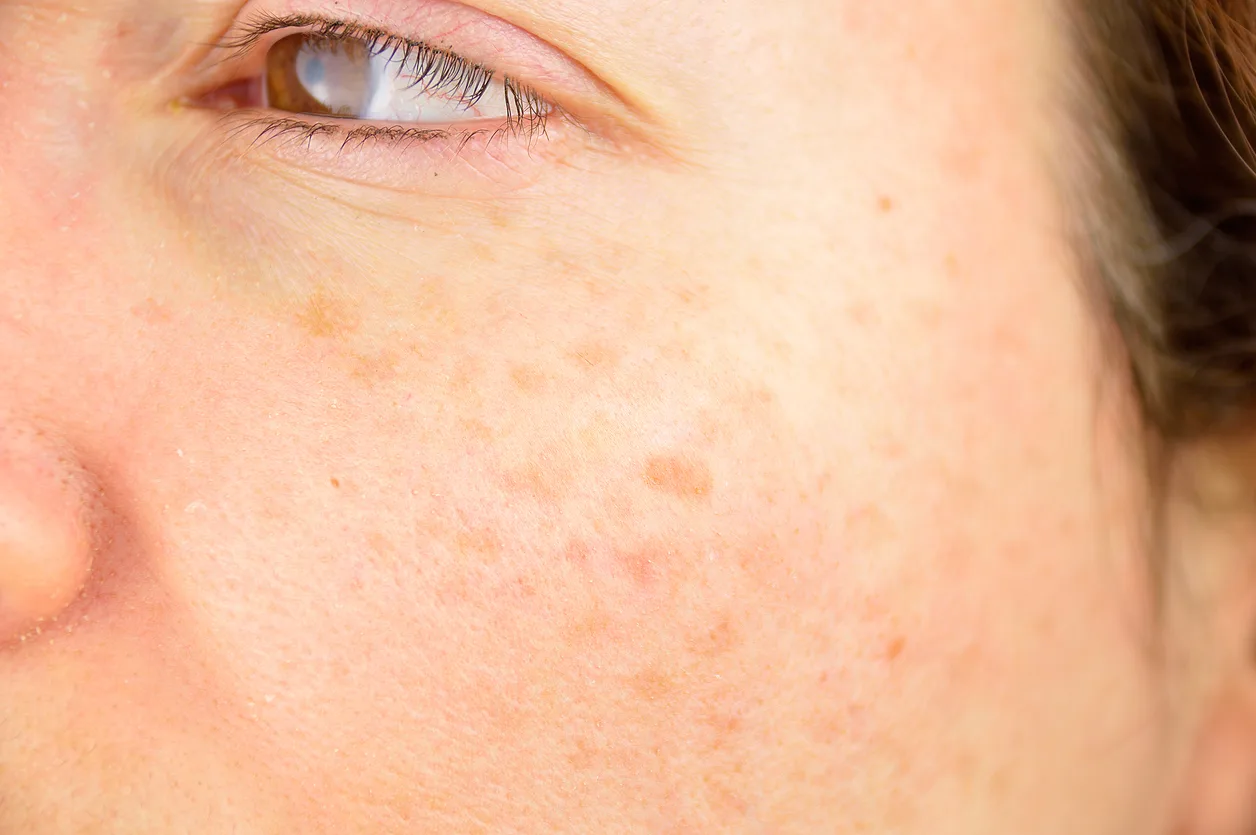
We all expect wrinkles and sagging skin as we age, but age spots can catch us off guard. These stubborn brown patches often show up on areas like the face, hands, arms, and shoulders—anywhere the sun has left its mark over the years. Unlike a summer tan, they don’t fade with time, and they can make you look older than you feel.
According to Dr. Angie Seelal, a Certified Registered Physician Assistant specializing in Dermatology at Advanced Dermatology PC, age spots (also called sunspots, liver spots, or solar lentigines) form when long-term sun exposure triggers clusters of melanocyte skin cells to overproduce melanin, the pigment that gives skin its color. These spots are more common in people over 50, especially those with fair skin, and can grow as large as half an inch. If they cluster together, they become even more noticeable.
Important note: While age spots are usually harmless, they can sometimes resemble skin cancer. Always have new or changing spots checked by a dermatologist, particularly if they’re black, growing, have irregular borders, show multiple colors, or bleed.
How to Treat Age Spots: From Professional Procedures to At-Home Solutions
Professional Treatments for Faster Results
If you want to see noticeable improvement quickly, professional treatments are your best bet. Here are the most effective options:
- Laser Treatments: Dermatologists use targeted laser wavelengths to destroy melanocytes or exfoliate pigmented areas, stimulating the growth of fresh, unblemished skin. Different lasers work in different ways, so your provider can tailor the treatment to your needs.
- Exfoliation Procedures: Techniques like dermabrasion, microdermabrasion, and chemical peels remove the top layers of skin, allowing new, spot-free skin to regenerate. These are great for those who want a non-invasive approach with minimal downtime.
Topical Treatments: Over-the-Counter and Prescription Options
For those who prefer at-home solutions, topical treatments can help lighten age spots over time. Some of the most popular options include:
- Hydroquinone: A common OTC ingredient that lightens dark spots by reducing melanin production. However, it can irritate sensitive skin, and there are safety concerns at higher concentrations. The FDA currently allows OTC products with up to 2% hydroquinone.
- Glycolic Acid: An alpha-hydroxy acid (AHA) that exfoliates the skin, promoting cell turnover and fading dark spots. It’s effective but can be drying, so it’s best to start with a low concentration.
- Kojic Acid: A natural ingredient derived from fungi that inhibits melanin production. It’s a gentler alternative to hydroquinone but may take longer to show results.
Pro tip: Always do a patch test before applying any new product to your face, especially if you have dry or sensitive skin. For stronger formulations, consult your dermatologist for a prescription.
Concealing Age Spots with Makeup
If you’re looking for a quick fix, makeup can work wonders. Kelly Schultz, makeup artist and owner of JuLu Beauty, shares her expert tips:
- Foundation First: A medium-coverage foundation can diffuse the appearance of age spots in one application. Less is more—avoid caking on layers, as this can look unnatural.
- The Four-Step Cover-Up: For more stubborn spots, Schultz recommends a color corrector (to neutralize the brown tones), followed by concealer, foundation, and a setting powder to lock everything in place. Blend well to avoid a patchy or heavy look.
- For Hands and Neck: Use a waterproof aerosol foundation to cover spots on these areas. It provides light coverage without transferring color to clothing or other surfaces.
Warning: Avoid using concealer alone, as it can look obvious if not blended properly. Always match your foundation and concealer to your skin tone for the most natural finish.
Prevention Is the Best Medicine: How to Stop Age Spots Before They Start
While there are plenty of ways to treat age spots, the best strategy is to prevent them in the first place. Sun protection is your number one defense. Here’s how to keep your skin spot-free:
- Wear Sunscreen Daily: Use a broad-spectrum SPF 40 (or higher) sunscreen every day, even in the winter or on cloudy days. Reapply every two hours if you’re spending time outdoors.
- Cover Up: Wear sun-protective clothing, including a wide-brimmed hat and long sleeves when you’re outside. Don’t forget about your hands—gloves can help prevent spots from forming there.
- Avoid Peak Sun Hours: Stay out of the sun between 10 a.m. and 4 p.m., when UV rays are strongest. If you must be outside, seek shade whenever possible.
- Protect Your Car: Remember, the sun’s rays can penetrate windows. If you drive often, consider window tinting or wearing a hat to shield your face from incidental sun exposure.
Taking these steps now can save you from dealing with age spots later. And if you’re already seeing signs of sun damage, don’t worry—it’s never too late to start protecting your skin and reversing the effects of past exposure.
Final Thoughts: Embrace Your Skin at Every Age
Age spots are a natural part of aging, but that doesn’t mean you have to live with them. Whether you opt for professional treatments, topical solutions, or makeup, there are plenty of ways to minimize their appearance. And by prioritizing sun protection, you can keep your skin looking its best for years to come.
For more tips on maintaining healthy, youthful skin, consider exploring ingredients like niacinamide, which can address multiple skin concerns and is suitable for all ages.