Anika Moa’s Inspiring Journey: How Sobriety and Running Led to Self-Love
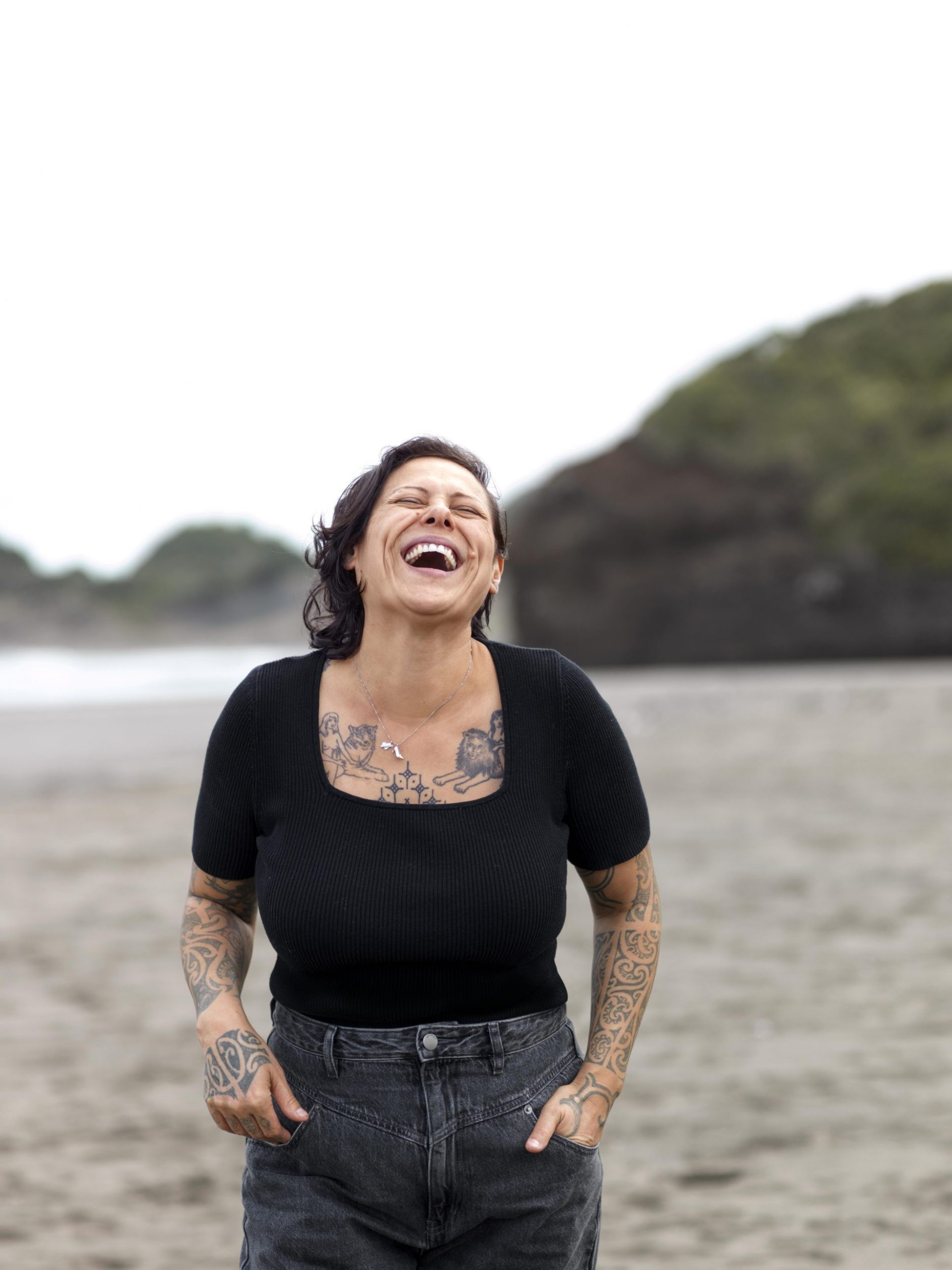
Anika Moa’s Path to Wellness and Self-Love
With 100 days of sobriety and a couple of half-marathons under her belt, musician Anika Moa shares how running and therapy have helped her confront and heal from painful emotions she once tried to bury.
The Struggle with Self-Love
“The hardest thing is loving myself,” admits musician, broadcaster, and television presenter Anika Moa. “Waking up and saying, ‘You’re not a bad person, you’re not a bad mother, you’re not a bad wife, you’re not a bad singer.’ I know many women will relate to this.”
Now, Anika wakes up with a different mindset: “I’m so proud of you, Neeks. I’m so proud that you lasted another night without drinking, that you were present with your kids, that you’re working hard for your family.” These are the words of a woman who has spent the past 18 months focusing on her mental and physical health.
Embracing Sobriety and Running
Anika is well-known for her music, with her recent release being the best-selling Songs for Bubbas 3. She’s also a popular television presenter and a favorite on The Hits Drive Show with Stacey Morrison and Mike Puru. Despite her extroverted and put-together appearance, Anika admits, “I am actually struggling like everyone else.”
Her honesty about her journey has inspired many of her 87,000 Instagram followers to join her in running or giving up alcohol. Anika has received numerous messages from women in similar situations, and she makes an effort to stay in touch with those who need support.
Anika used alcohol to soothe her pain and trauma. “I was losing myself in alcohol,” she admits. At the time of our conversation, Anika is 100 days sober, and she says it’s the best decision she’s ever made. She struggled to set a no-drinking goal but eventually found the strength to stop.
The Power of Connection and Running
When Anika decided to get sober, she reached out to a woman in the music industry who had been sober for 20 years. “I said, ‘Can you please help me?’ and we had a long talk. I cried, and ever since then, we’ve kept in touch and talk every single day. She’s a mana wāhine, so having that spiritual Māori connection is important to me. Because of her, I wake up and think, ‘Let’s go!’ It’s inspiring.”
Before getting sober, Anika started running to improve her mental health. She had just given birth to her baby, Marigold, and felt her mental health was suffering. One day, she put on her running shoes and started running – “just like Forrest Gump.” She ran four kilometers on her first run and continued running daily, eventually completing two half-marathons in one year.
As Anika ran, she found that her thoughts started to sort themselves out. She also lost weight, which made her feel stronger. Her Instagram stories, tagged with #lesrun, inspired hundreds of Kiwi women to start running too.
Confronting Emotions and Healing
Anika says that running allows her to express her emotions. “I cry when I run up hills. I’m crying for my dad who died, for a traumatic upbringing, for things that aren’t right in a relationship. I’m crying for everything, and not drinking on top of that meant I started to heal. I began to heal through confronting those emotions.”
Anika uses humor to offset serious issues. “I like to use comedy to hide my feelings,” she says. However, she’s learning to express her real emotions. “The other day, someone gave me a gift, and instead of making a joke, I cried. I realized that this was my real emotion, not my joke emotion.”
The Importance of Therapy
Anika never saw herself getting therapy but realized that to heal, she needed to seek help. She found a therapist who helped her work through her emotions. “Last week, we had a session about anger,” says Anika. “I asked her what to do with my anger, and she said just sit with it. It will eventually show itself, and be curious. I feel I can talk about that because it’s what a lot of people need. It’s not a bad thing to have self-care for yourself.”
Anika’s therapy involves talking through her feelings and unraveling them. “I’m not sure how deep I want to go,” she says. “But for now, I feel safe to work out what I’m trying to work out now. I’m turning my negative thoughts into positive thoughts, and I’m learning to love myself, which you can’t just do overnight.”