Anika Moa on reclaiming her culture, embracing emotions and her health overhaul
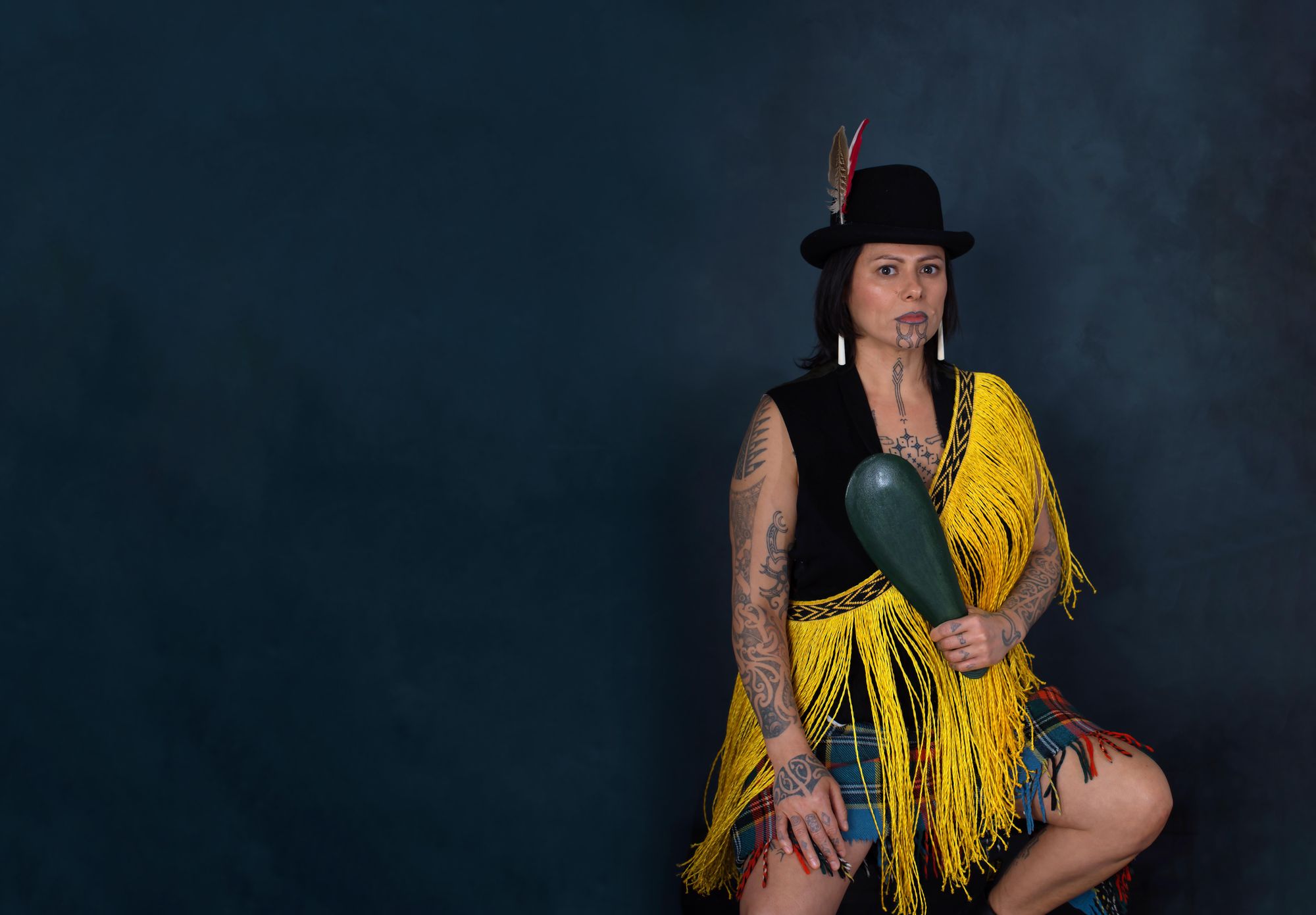
Anika Moa: Embracing Her Culture, Emotions, and Health Journey
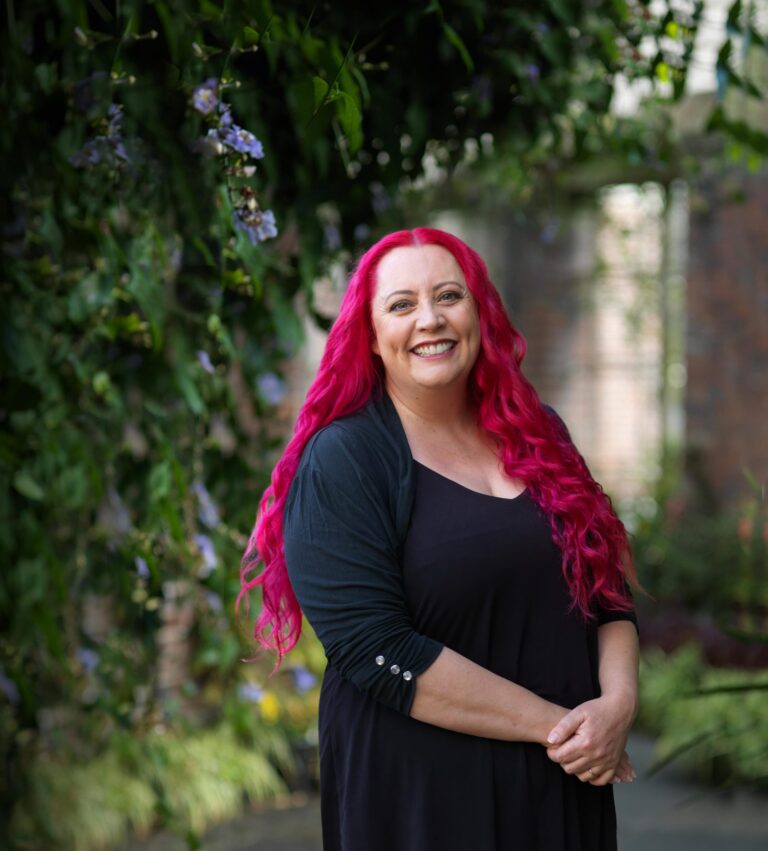
Strong, single, and six months sober, Anika Moa talks to Siena Yates about embracing her emotions, reclaiming her culture, and prioritizing her well-being.
A Journey of Change and Self-Care
If anyone is ready to embrace the transformative energy of Matariki, it’s Anika Moa. Over the past year, the music, TV, and radio star has undergone a significant journey of change, learning, and self-care.
“So many people are making big life changes at the moment, right?” says the mother of four, noting that she’s not alone in learning to take care of herself. “I think it’s a lot to do with Covid. People just realized that life isn’t all about money.”
For Anika, self-care isn’t about massages, candlelit baths, and breathing exercises—although those things are nice. For the 41-year-old musician, it’s about doing the internal work and making lifestyle changes to improve her health and well-being. This has included healthier eating and exercising—she’s an avid runner, marathoner, and has started a small online running movement called #LezRun—but it’s also extended to quitting drinking, undergoing therapy, and reclaiming her culture and language.
Navigating Life’s Challenges
During all of this, Anika has found herself navigating the end of a marriage. It’s something she’s unwilling to speak on in detail, except to say that she and her former partner Natasha Utting, who are parents to Soren, six, and Marigold, two, are now separated, “but we’re co-parenting really well.”
With so much going on, it’s no surprise that Anika still cries every day, which she promises is actually a good thing.
“Every night before I go to sleep, I bawl my eyes out, and I don’t know why. I think I’m just shedding a lot of layers, feeling love, sadness, grief, joy, shame, guilt, and so many emotions related to my kids, my marriage, and where my future lies,” says Anika, as raw and candid as ever. “So every day is overwhelming for me, and it’s exhausting, but I’m so happy to go through this, and I’m here for it.”
Embracing Matariki and Moving Forward
That’s especially true now that Matariki is upon us—a period of reflection, letting go, and ideally, moving forward unburdened.
“For me, it’s just letting go of the pain, I think. There’s still grief, but I think you can have grief and also have joy in the same space, so that’s what I’m trying to do. I’m trying to let go of that pain and also grieve. I’m grieving a whole life that I had, but now I’m starting to build a life that I want because I’m doing what I want to do,” she says. “Looking into the future, all I can see is utter joy and happiness, and it’s because I’m not having to compromise who I am. I’m being my true, authentic self. And you know, some days I’m not being authentic; some days, I’m just going through the motions because I have to pay the mortgage. But mostly, I’m being my true self.”
Prioritizing Health and Well-being
Anika is now on her own and determined to be the best version of herself for her kids for as long as she can. She shares custody of Soren and Marigold with Natasha and nine-year-old twins Barry and Taane with her first wife, Angela Fyfe (aka Azaria Universe).
“I’m really enjoying being a solo mother. And I enjoy showing my kids a different life, you know? They don’t see me drinking now; they see me eating yummy food and exercising. I’m trying to be a good role model for my kids and also because I want to be alive in 10 years,” she says.
Anika got a major wake-up call when she was pregnant with Marigold and developed gestational diabetes, which didn’t go away but rather morphed into type 2 diabetes.
“Usually, if you have gestational diabetes, you just have that, and then you go back to being pre-diabetic or whatever. But I’m full-blown diabetic, and actually, I think I have been most of my life. I think my dad was diabetic, and he died at 51; my whole family on my Māori side is diabetic.”
Since her pregnancy, Anika has been watching what she eats and keeping her blood sugar levels well-balanced. She’s also increased her exercise, not just to stay physically healthy but mentally as well.
“I’m good now; I’m pretty healthy,” she says. “I’m obsessed with my running. It’s really good—and I’ve been advocating this for a long time—for mental well-being, not because I feel depressed or anything that bad, but when you’re a mum, you don’t set aside time for yourself.”
“You forget who you are, and then you start drinking too much and eating too much, just basically treating yourself poorly because you come last. But I’m finally working my way up the ladder to not coming last, you know? I’ll actually feed myself good food because I’ll take the time to source it, cook it, and actually eat it. So my health is a bit hard sometimes, but I’m feeling really balanced and good.”
Celebrating Sobriety and Reconnecting with Culture
At the time of writing, Anika is about 170 days sober—a major achievement for someone who says drinking was her “biggest vice.”
“I was a really heavy drinker, and it was like, when you’re sad, drink. When you’re happy, drink. When you’re whatever, you just drink. Now that I don’t drink, I feel… lighter,” she says, thinking carefully to find the right word and landing on it with a satisfied nod.
“I’m still waiting not to feel tired. I feel so tired all the time, and it’s probably years and years of abusing my body. My body’s being like, ‘OK, it’s not going to happen overnight; you’ve got to really work at this. It’s not going to be a year thing; it’s going to be a forever thing.’ So yeah, I’m still waiting for that ‘aha’ moment. Maybe it doesn’t come, but I hope it does.”
The other major journey she’s undertaking is one of reclamation by strengthening her connection to te ao Māori and te reo Māori. Her sense of disconnect is one that comes up quite quickly, hand in hand with the topic of Matariki—something she never celebrated growing up simply because, like many of us, she didn’t know anything about it.
“My granddad spoke te reo Māori, and he got whipped and abused if he spoke it, so when it came to my dad, he was like, ‘Speak English, boy.’ I was brought up in a Pākehā world with my English mum and my dad, who knew nothing of te reo Māori. My granddad died at 66; my dad died at 51. I have hardly any ties to my whanaunga back up north [Anika is Ngāpuhi and Te Aupōuri], so that’s where we’re starting,” she says.
That said, she’s trying to reconnect however she can and is “learning more and more by the day.”
“I’m not Stacey-qualified,” she laughs, referencing her close friend Stacey Morrison’s wealth of expertise, “but I love the idea of having a Māori New Year, and I love that it changes because I’m a Gemini, and I change too.”